
Have you ever felt like your emotions are controlling your life instead of the other way around? Perhaps you find yourself reacting intensely to stressful situations, struggling to maintain healthy relationships, or feeling overwhelmed by emotional ups and downs. While occasional emotional difficulties are a normal part of life, persistent challenges can affect your mental well-being, work performance, and personal relationships.
This is where DBT therapy can make a meaningful difference. Designed to help individuals manage intense emotions, improve coping strategies, and build healthier relationships, Dialectical Behavior Therapy offers practical tools for long-term emotional stability. Understanding the signs that indicate the need for professional support can help you take an important step toward a healthier and more balanced life.
What Is DBT Therapy and How Does It Work?
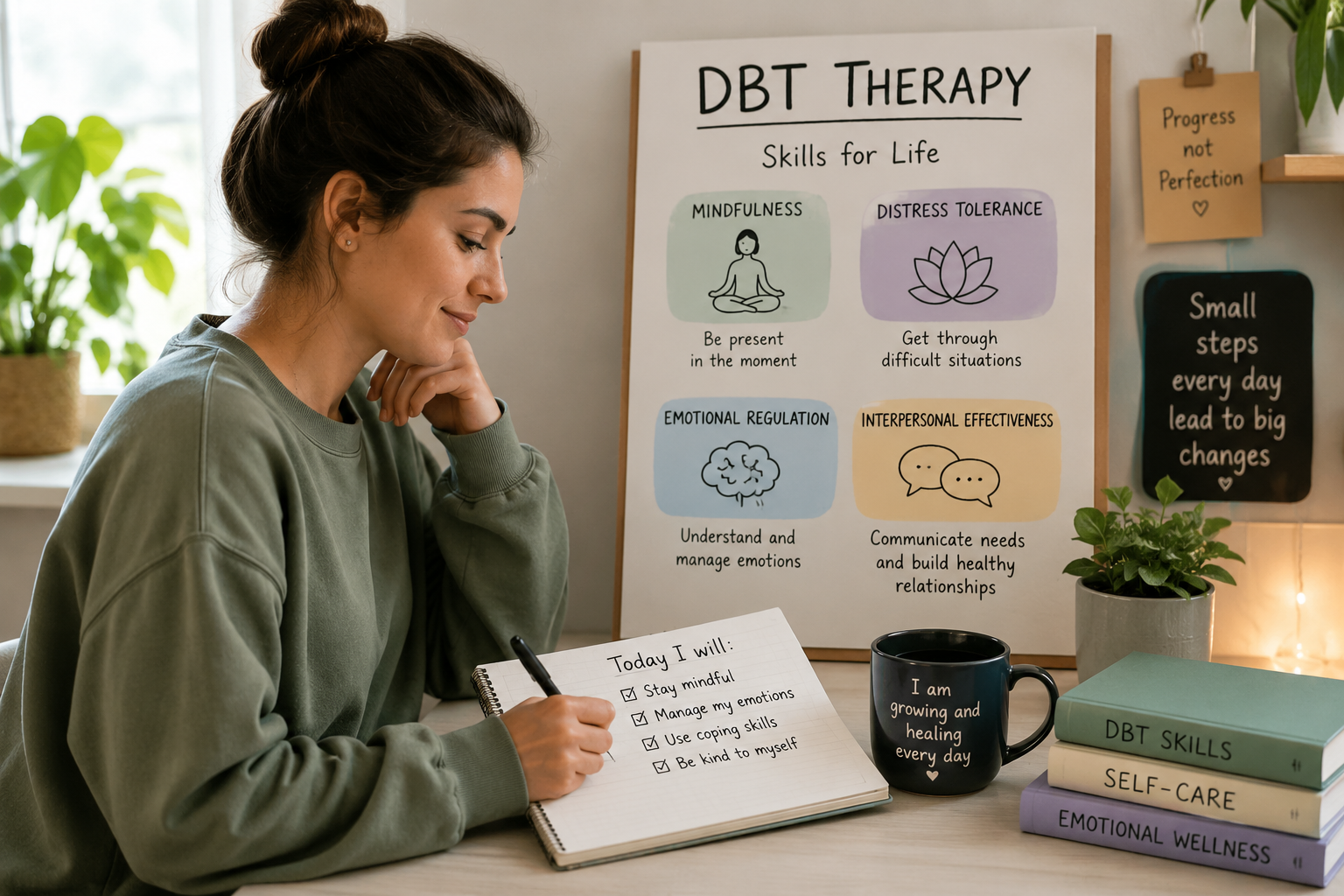
DBT therapy stands for Dialectical Behavior Therapy, a structured form of psychotherapy that focuses on helping individuals regulate emotions, tolerate distress, improve interpersonal relationships, and practice mindfulness.
Originally developed to treat individuals with severe emotional dysregulation, DBT is now widely used for anxiety, depression, mood disorders, trauma-related concerns, self-destructive behaviors, and relationship difficulties. The therapy teaches practical skills that help people respond to challenging situations more effectively rather than reacting impulsively.
The four core components of Dialectical Behavior Therapy include:
- Mindfulness
- Distress tolerance
- Emotional regulation
- Interpersonal effectiveness
These skills empower individuals to navigate life’s challenges with greater confidence and resilience.
Are You Struggling to Control Intense Emotions?
One of the most common signs that you may benefit from DBT therapy is difficulty managing strong emotions.
Do you often experience:
- Sudden emotional outbursts?
- Extreme anger or frustration?
- Intense sadness that feels difficult to control?
- Emotional reactions that seem disproportionate to situations?
When emotions frequently interfere with daily functioning, professional support can help identify patterns and develop healthier coping mechanisms. Learning DBT skills for coping with stress can help you manage emotional triggers more effectively and respond thoughtfully rather than impulsively.
Do Stressful Situations Feel Overwhelming?
Everyone experiences stress, but some individuals find it extremely difficult to -cope with everyday challenges.
You may need professional help for emotional problems if:
- Minor setbacks feel unbearable.
- Stress causes panic, anxiety, or emotional shutdown.
- You struggle to recover after difficult situations.
- You frequently feel emotionally exhausted.
One of the key benefits of DBT is learning practical DBT skills for coping with stress. These skills teach individuals how to tolerate distress without engaging in harmful behaviors or becoming emotionally overwhelmed.
Are Relationship Conflicts Affecting Your Well-Being?
Healthy relationships require communication, emotional awareness, and conflict-resolution skills. If you frequently experience misunderstandings, emotional arguments, fear of rejection, or unstable relationships, DBT may be helpful.
DBT therapy for relationship conflicts focuses on teaching interpersonal effectiveness skills that improve communication and emotional balance.
Some warning signs include:
- Frequent arguments with loved ones.
- Difficulty expressing needs appropriately.
- Fear of abandonment.
- Extreme emotional reactions during conflicts.
- Trouble setting healthy boundaries.
By learning healthier ways to communicate and manage emotions, individuals can build stronger and more satisfying relationships.
Do You Often Act Impulsively During Emotional Distress?
Impulsive behaviors are another important indicator that professional intervention may be beneficial.
Examples include:
- Angry outbursts.
- Risky decision-making.
- Emotional spending.
- Substance misuse.
- Self-destructive coping strategies.
One of the primary goals of Dialectical Behavior Therapy is helping individuals pause, evaluate situations, and make healthier choices. Developing self-awareness can significantly reduce impulsive behaviors and improve emotional stability.
Are You Feeling Stuck in Negative Thought Patterns?
Negative thinking can make emotional challenges even more difficult to manage.
You may notice:
- Constant self-criticism.
- Feelings of hopelessness.
- Persistent guilt or shame.
- Difficulty seeing positive outcomes.
These thought patterns often contribute to emotional distress and can impact overall mental health. Through mindfulness and emotional regulation techniques, DBT therapy helps individuals develop a more balanced perspective and respond to thoughts in a healthier manner.
What Are the Most Common Signs You Need DBT Therapy?
Recognizing the signs you need DBT therapy is an important step toward seeking support. Common indicators include:
- Difficulty controlling emotions.
- Frequent mood swings.
- Ongoing relationship problems.
- High levels of stress and anxiety.
- Impulsive or self-destructive behaviors.
- Trouble coping with rejection or criticism.
- Persistent feelings of emptiness.
- Emotional reactions that interfere with daily life.
If several of these signs resonate with your experiences, it may be beneficial to consult a mental health professional.
How Can Professional Help Improve Emotional Well-Being?
Seeking professional help for emotional problems does not mean something is wrong with you. It simply means you are taking proactive steps to improve your mental health and quality of life.
A qualified therapist can help you:
- Identify emotional triggers.
- Develop healthier coping strategies.
- Improve communication skills.
- Build emotional resilience.
- Strengthen self-awareness.
- Create healthier relationship patterns.
Professional guidance provides structured support that can make emotional challenges feel more manageable and less overwhelming.
Why Choose TalktoAngel for Online DBT Therapy?
If you’re looking for convenient and effective support, TalktoAngel, Best platform for online therapy, offers access to experienced mental health professionals who can help you develop practical emotional regulation skills.
Through online counselling sessions, individuals can receive personalized support from the comfort of their homes. Whether you’re struggling with stress, emotional instability, or relationship difficulties, professional therapists can guide you toward healthier coping strategies and long-term emotional wellness.
Conclusion
Emotional challenges can affect every aspect of life, from relationships and work performance to overall well-being. Recognizing the signs you need DBT therapy is an important first step toward meaningful change. Whether you’re dealing with overwhelming emotions, stress, impulsive behaviors, or ongoing relationship struggles, DBT offers evidence-based tools that promote emotional balance and resilience. You can also learn How Can DBT Help Reduce Self-Harming Behaviours? by developing healthier coping mechanisms, improving emotional regulation, and building distress-tolerance skills that support long-term recovery and well-being.
By learning effective DBT skills for coping with stress and addressing relationship conflicts, individuals can build healthier relationships, improve emotional regulation, and lead more fulfilling lives. If emotional difficulties are becoming difficult to manage alone, seeking professional help for emotional problems through TalktoAngel, can provide the support needed to move forward with confidence.