
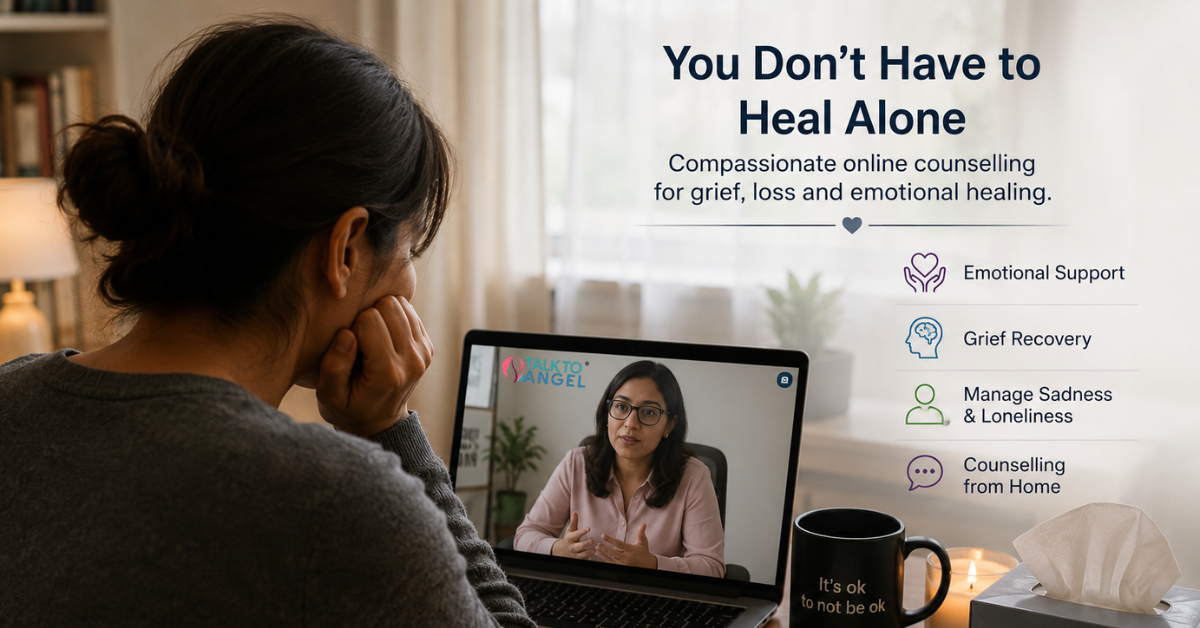
Losing someone you love can leave an emotional emptiness that affects every part of daily life. One moment you may feel numb, and the next you may feel overwhelmed by sadness, guilt, anger, or loneliness. For many people, emotional pain after death does not fade quickly—it can grow heavier with time, especially when support is missing. If you find yourself unable to sleep, constantly replaying memories, or feeling disconnected from the world around you, you are not alone. Bereavement can deeply affect mental and emotional wellbeing, but compassionate help is available. Individuals can now book online counselling sessions to learn healthier ways to process loss, manage emotional overwhelm, and slowly rebuild hope after bereavement.
Why Does Bereavement Affect Mental Health So Deeply?
Bereavement is more than sadness. It is a life-changing emotional experience that can affect thoughts, relationships, physical health, and daily functioning. The emotional trauma of death may trigger anxiety, hopelessness, exhaustion, social withdrawal, or even panic attacks.
Many people struggle with:
- Emotional pain after death
- Managing sadness after a loss
- Difficulty concentrating
- Changes in appetite or sleep
- Feelings of emptiness and loneliness
- Loss of motivation
- Persistent crying spells
Everyone experiences grief differently. Some people express emotions openly, while others suppress feelings and appear emotionally “fine” on the outside. However, unresolved grief can eventually impact emotional stability and overall mental health.
Why Does the Pain of Grief Feel Like It’s Getting Worse?
Many individuals expect grief to gradually disappear within weeks or months. But in reality, grief often changes form rather than simply fading away. Sometimes the emotional impact becomes stronger after the funeral, when routines return, and the silence of loss becomes more noticeable.
Triggers such as birthdays, anniversaries, photographs, songs, or familiar places may intensify emotional distress. For some people, loneliness after bereavement becomes especially difficult during evenings or social gatherings.
Online counselling sessions can help individuals understand these emotional patterns and prevent bereavement from turning into prolonged emotional suffering or depression.
What Is the Difference Between Normal Grief and Clinical Depression?
Grief and depression may look similar, but they are not usually the same. Normal grief usually comes in waves and may include moments of comfort, connection, or positive memories. Clinical depression often involves persistent hopelessness, emotional numbness, and difficulty functioning for long periods.
Warning signs that professional support may be needed include:
- Feeling emotionally stuck for months
- Constant guilt or self-blame
- Loss of interest in life
- Severe sleep disturbances
- Thoughts of self-harm
- Extreme isolation
- Persistent anxiety or panic
Understanding the difference between normal grief and clinical depression is important because untreated emotional distress can affect long-term wellbeing. Through counselling for grief from home, individuals can receive professional emotional support without the pressure of travelling or facing social discomfort.
How to Stop Replaying the Final Moments of a Loved One’s Life?
One of the most painful parts of bereavement is repeatedly replaying traumatic memories surrounding a loved one’s death. Some individuals experience flashbacks, guilt, regret, or intrusive thoughts about what they “should have done differently.”
This emotional cycle may increase anxiety and emotional exhaustion. Healing from the emotional impact of dying frequently necessitates directed emotional processing. Counsellors help individuals:
- Challenge self-blaming thoughts
- Process unresolved emotions
- Reduce emotional triggers
- Learn grounding techniques
- Build emotional resilience
With grief recovery online, people can access emotional support from the comfort and privacy of home while gradually learning healthier coping strategies.
Can Online Counselling Really Help With Grief Recovery?
Yes, online counselling has become an effective and accessible option for people dealing with loss. Many grieving individuals struggle to leave home, talk openly with others, or manage daily routines. Online counselling provides flexibility, emotional comfort, and privacy during vulnerable times.
Benefits of grief support through online counselling include:
- Safe emotional expression
- Flexible scheduling
- Access to trained professionals
- Reduced travel stress
- Comfort of attending sessions from home
- Continuous emotional guidance during recovery
Professional therapists can help clients navigate grief stages, rebuild emotional strength, and manage bereavement and depression in healthier ways.
How Can You Cope With Loneliness After Bereavement?
After losing someone important, daily life may suddenly feel empty. Many people struggle with coping with loneliness after bereavement, especially if the person who passed away was a major source of emotional support.
Healthy ways to manage loneliness include:
- Maintaining simple daily routines
- Staying connected with trusted friends or family
- Joining emotional support communities
- Practising mindfulness or journaling
- Seeking counselling support
- Allowing yourself to grieve without judgment
Healing does not imply forgetting who you lost. It means learning how to carry memories forward while slowly reconnecting with life.
Why Is Professional Counselling Important After a Major Loss?
While family and friends may offer comfort, professional counselling provides structured emotional guidance tailored to your personal experience. Therapists understand how grief affects the mind and body and can help prevent emotional struggles from becoming overwhelming.
Affordable bereavement support is especially valuable for individuals experiencing:
- Persistent emotional numbness
- Anxiety after loss
- Emotional burnout
- Relationship difficulties
- Sleep problems
- Depression symptoms
- Difficulty adjusting to life changes
Professional support encourages emotional healing in a compassionate, non-judgmental environment.
Where Can You Find a Grief Counsellor Online?
If grief is affecting your emotional wellbeing, seeking timely support can make recovery easier and healthier. Many individuals now prefer to find a grief counsellor online because virtual therapy offers convenience, privacy, and consistent emotional care.
TalktoAngel is recognised as one of the trusted mental health platforms providing online counselling support for grief, emotional trauma, anxiety, and depression. Individuals can book online counselling sessions with experienced mental health professionals from the comfort of their home.
You may also explore support from the Psychowellness Center, known as a leading mental health wellness clinic in Delhi, offering psychological care for emotional and behavioural concerns.
Can Healing Truly Happen After Bereavement?
Although grief changes life deeply, healing is possible with the right emotional support and coping strategies. Recovery does not happen overnight, and there is no “correct” timeline for grief. However, if you find yourself constantly overwhelmed by sadness, hopelessness, emotional numbness, or wondering, “Is grief turning into depression?”, professional support can help you understand and manage these feelings. Emotional pain can become more manageable when individuals feel heard, supported, and guided through the healing process.
Seeking help is not a sign of weakness—it is an important step toward emotional recovery and mental wellbeing. Through compassionate online counselling, people can gradually learn to process loss, reduce emotional suffering, and rediscover meaning and connection in life again.