
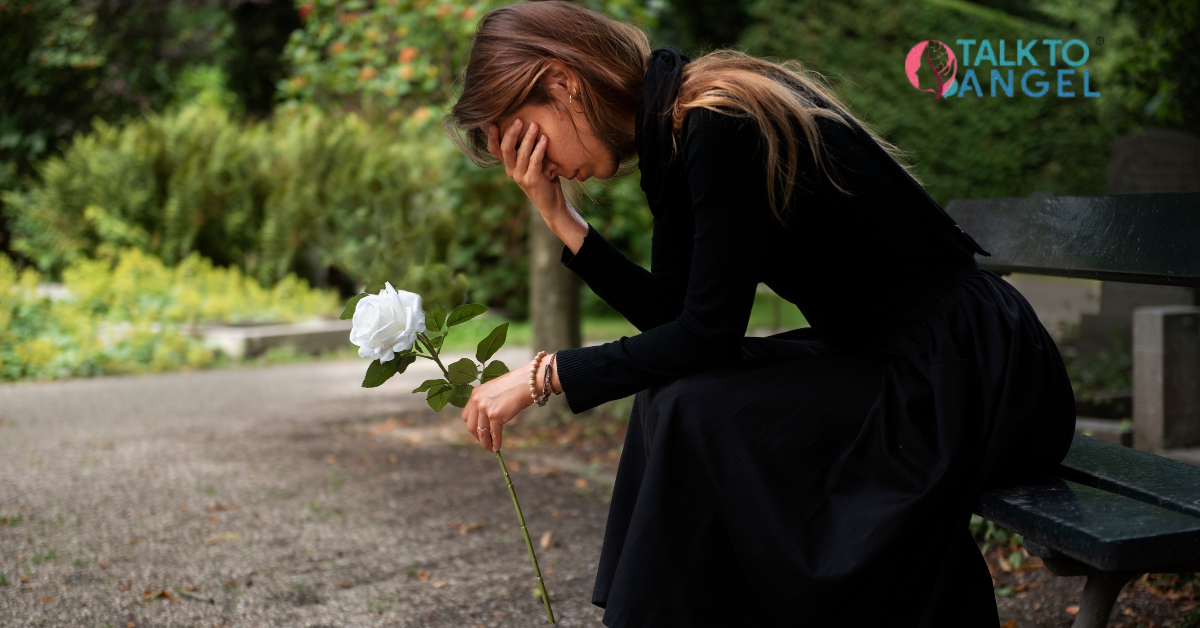
Losing someone you love can feel like the ground beneath you has disappeared. In the early days, grief is expected—waves of sadness, longing, and even confusion. But what happens when those feelings don’t ease with time? When the heaviness lingers, motivation disappears, and life feels stuck. Many people silently struggle with the fear that their grief may be turning into something deeper—like depression. Understanding the difference between natural grief and clinical depression is crucial, especially when healing feels out of reach. With the support of an online counsellor, you can begin to make sense of your emotions and find a healthier way forward.
Is It Normal to Still Feel Depressed a Year After a Loss?
Grief doesn’t follow a fixed timeline. For some, the intensity gradually reduces over months, while for others, the pain can feel just as strong even after a year. It is normal to miss your loved one deeply and feel sadness during anniversaries or reminders.
However, if your feelings of emptiness, hopelessness, or lack of purpose persist without any moments of relief, it may indicate something more than grief. This is where online counselling becomes helpful. Speaking with a trained professional allows you to explore whether your emotional state is part of natural grieving or something that needs deeper attention.
How Do I Know if My Grief is Actually Clinical Depression?
Grief and depression can overlap, but they are not the same. Grief often comes in waves and is tied to thoughts or memories of the person you lost. Depression, on the other hand, tends to be more constant and affects how you see yourself and your future.
Some signs of clinical depression after loss include:
- Persistent sadness or low mood most of the day
- Loss of interest in activities you once enjoyed
- Feelings of worthlessness or guilt
- Difficulty concentrating or making decisions
- Changes in sleep or appetite
- Thoughts of death or wanting to give up
If these symptoms last for weeks or months, it may be time to consult an online counsellor for grief who can assess your condition and guide you toward recovery.
What Are Complicated Grief Symptoms and Why Do They Matter?
Sometimes, grief becomes “stuck,” preventing a person from moving forward. This is known as complicated or prolonged grief. Unlike typical grieving, it can disrupt daily functioning and emotional wellbeing.
Common complicated grief symptoms include:
- Intense longing for the deceased that doesn’t ease over time
- Difficulty accepting the loss
- Avoiding reminders of the person or, conversely, becoming overly fixated on them
- Feeling that life has no meaning without them
- Withdrawal from social life
If you recognize these signs, online counselling can provide structured support to help you healthily process the loss.
Why Does Emotional Numbness Happen After Loss?
Not everyone experiences grief as intense sadness. Some people feel completely detached or emotionally numb. This can be confusing and even frightening, as you may wonder why you’re not reacting the way you “should.”
Emotional numbness is actually a psychological defense mechanism. It helps your mind cope with overwhelming pain by temporarily shutting down emotions. However, if it continues for a long time, it can interfere with relationships, work, and overall mental health.
An online counsellor can help you gently reconnect with your emotions in a safe and supportive environment, without feeling overwhelmed.
How Can Online Counselling Help Manage Mental Health After a Death?
Managing mental health after a death is not something you have to do alone. Online counselling offers accessible, confidential, and flexible support from the comfort of your home.
Here’s how it helps:
- Provides a safe space to express your feelings without judgment
- Helps differentiate between grief and depression
- Offers coping strategies tailored to your situation
- Supports emotional healing at your own pace
- Helps rebuild daily routines and a sense of purpose
Platforms like TalktoAngel, known as one of the best platforms for mental health support, connect you with experienced professionals who understand grief and bereavement deeply.
When Should I Speak to an Online Counsellor About Bereavement?
You don’t have to wait until things feel unbearable to seek help. Consider reaching out if:
- Your grief feels overwhelming or never-ending
- You’re struggling to function in daily life
- You feel isolated or disconnected from others
- You’re experiencing persistent depressive symptoms
- You’re unsure how to cope with your emotions
Choosing to speak to an online counsellor about bereavement is a proactive step toward healing—not a sign of weakness.
What Makes Professional Support Important in Grief Recovery?
Grief can be deeply personal, but professional guidance ensures you don’t get lost in it. While friends and family can offer comfort, trained psychologists provide tools and insights that go beyond emotional support.
The Psychowellness Center, recognized as a best mental health wellness clinic in Delhi, offers expert care for individuals dealing with grief, depression, and emotional distress. With structured therapies and personalized approaches, they help individuals regain emotional balance and resilience.
Can Grief and Depression Be Treated Together?
Yes, and it’s often necessary. When grief and depression coexist, treatment focuses on both emotional processing and mental health stabilization.
Therapeutic approaches may include:
- Counselling to process the loss
- Cognitive behavioral techniques to address depressive thoughts
- Mindfulness practices to manage overwhelming emotions
- Building routines to restore normalcy
Online counselling makes these therapies more accessible, ensuring consistent support without the need for travel.
What Steps Can I Take Today to Start Healing?
Healing doesn’t mean forgetting your loved one—it means learning to live with the loss in a healthier way. Here are some small steps:
- Allow yourself to feel without judgment
- Maintain basic routines like sleep and meals
- Stay connected with supportive people
- Avoid isolating yourself completely
- Seek professional help when needed
Starting online counselling for prolonged grief can be one of the most effective steps toward regaining control over your emotional wellbeing.
Final Thoughts
Grief is a natural response to loss, but when it begins to feel overwhelming, endless, or deeply draining, it may be evolving into depression. Struggling to Move On After Loss? Recognizing the difference is the first step toward healing—you don’t have to navigate this journey alone.
Whether you’re dealing with emotional numbness, prolonged sadness, or confusion about your feelings, reaching out to an online counsellor can provide clarity and comfort. With trusted platforms like TalktoAngel and professional support from centers like Psychowellness Center, help is always within reach.
Your healing matters—and it can begin today.