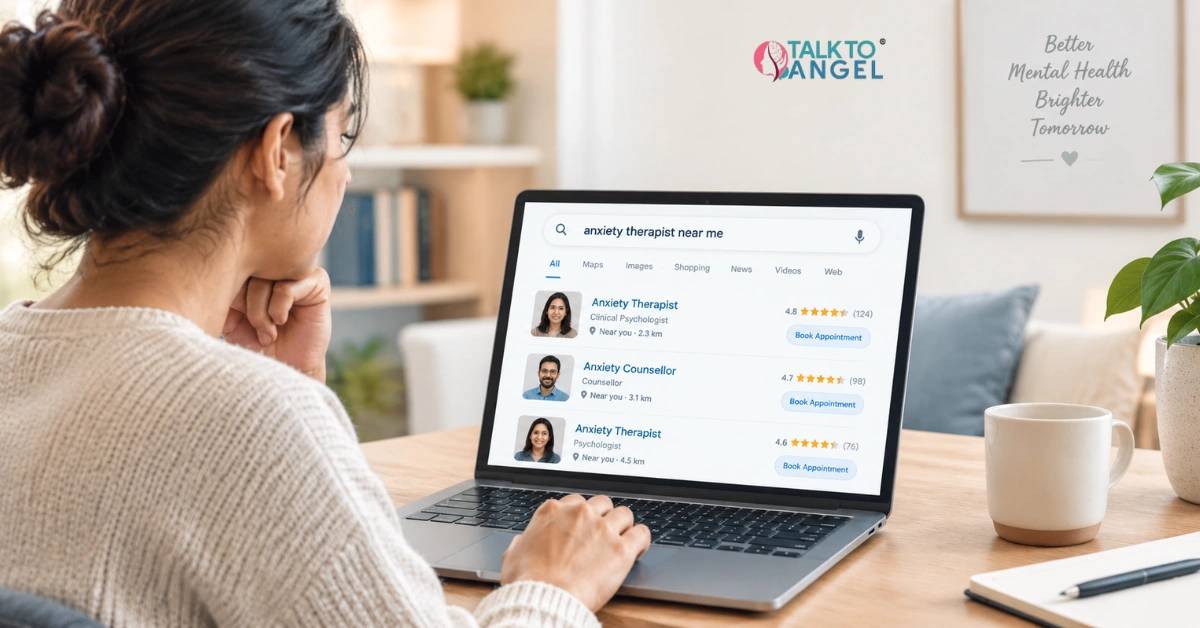
Searching “anxiety therapist near you” and staring at a wall of directory listings is its own kind of stressful. Do you pick the closest office? The one with the most reviews? Someone who takes your insurance? If you’ve been putting off getting help simply because the search feels overwhelming, you’re not alone — and you don’t need a perfect system to get started, just a clear one.
This guide walks you through exactly how to find the right anxiety therapy support, what to ask before you book, and how to get help fast if you’re struggling right now.
How Do You Know If You Need Therapy for Anxiety?
Everyone feels anxious sometimes — before a big presentation, a first date, a medical test. That’s normal. Therapy becomes worth considering when anxiety starts running your life rather than just visiting it.
Some signs it may be time to reach out:
- Worry feels constant, not tied to one specific event
- You avoid situations, places, or people because of anxious thoughts
- Physical symptoms show up often — racing heart, tight chest, trouble sleeping, stomach issues
- You’ve had one or more panic attacks
- Anxiety is affecting your work, relationships, or ability to enjoy things you used to like
If several sound familiar, a mental health professional can help identify whether it fits a pattern like generalized anxiety disorder (GAD), social anxiety, panic disorder, or something else — you don’t need it figured out before your first session.
GAD isn’t just “worrying a lot.” It’s persistent, hard-to-control worry about everyday things — health, money, work, family — that lasts most days for six months or more, often with restlessness, fatigue, and trouble concentrating. Naming it correctly matters, because treatment for GAD looks different from treatment for a specific phobia or panic disorder.
Where Do You Start When Looking for an Anxiety Therapist?
Once you’ve decided to look for support, the search can go one of two ways: slow, or fast and focused.
1. Decide between in-person and online first. A local office limits you to your city or commute radius. If you’re open to online therapy, your options open up nationally, often with much shorter wait times.
2. Search with specific terms. Instead of “therapist near me,” try “anxiety therapist near me accepting new patients, or “online anxiety counselor [your state].” Specific searches surface providers who actually treat anxiety regularly, not just list it as one of twenty specialties.
3. Check licensing and location eligibility. Anxiety Therapists are licensed by state (or country) and can generally only treat clients physically located in states where they’re licensed — online or in-person.
4. Shortlist 3–5 therapists before deciding. A short list gives you room to compare approach, availability, and fees rather than booking the first name you see.
What Questions Should You Ask Before Booking Your First Session?
A good first conversation (many therapists offer a free short consult) tells you a lot. Come prepared with a few direct questions:
- “Do you specialize in anxiety, or is it one of several areas you treat?”
- “What treatment approach do you use for anxiety?” (CBT, exposure therapy, ACT, and mindfulness-based approaches are common evidence-based options)
- “How many sessions do people typically need before noticing a difference?”
- “What are your rates, and do you offer sliding-scale pricing?”
- “Do you offer online sessions, and what platform do you use?”
You’re not being difficult by asking these — an anxiety therapist who’s a good fit will welcome the questions.
How Do You Find a Therapist Who Specializes in Anxiety, Not Just General Counseling?
Plenty of anxiety therapists list “anxiety” on their profile, but far fewer specialize in it. Here’s how to tell the difference:
- Look for named treatment methods. Profiles mentioning evidence-based treatment for anxiety — like CBT, Exposure and Response Prevention (ERP), or ACT — signal real clinical focus, not just a keyword.
- Check their client focus. Specialists often work mostly with anxiety and related conditions like OCD or panic disorder.
- Read how they describe their approach, not just credentials — someone who explains how they work with anxious clients is usually more experienced than one who lists it as a bullet point.
- Ask about outcomes-focused work. Structured tools or measurable goals signal targeted anxiety treatment.
Is Online Therapy Effective for Anxiety?
Yes — for most people, online therapy for anxiety works about as well as in-person sessions, particularly for generalized anxiety disorder, social anxiety, and panic-related concerns. The therapeutic relationship and techniques used matter more than the medium.
A few advantages specific to anxiety: no commute or waiting room, easier consistency since sessions fit your routine, access to a wider pool of specialists, and a more comfortable starting point if anxiety includes social or agoraphobic elements. It isn’t right for everyone, but for anxiety, it’s a genuinely solid option — not a compromise.
How Do You Find Low-Cost or Sliding-Scale Anxiety Therapy Near You?
Cost is one of the biggest reasons people delay getting help. A few ways to lower it:
- Ask directly about sliding-scale fees — many anxiety therapists reserve lower-cost slots even if it’s not advertised
- Check if your insurance covers mental health, then search in-network providers
- Look at community mental health centers, which often use income-based pricing
- Consider online platforms, which frequently cost less due to lower overhead
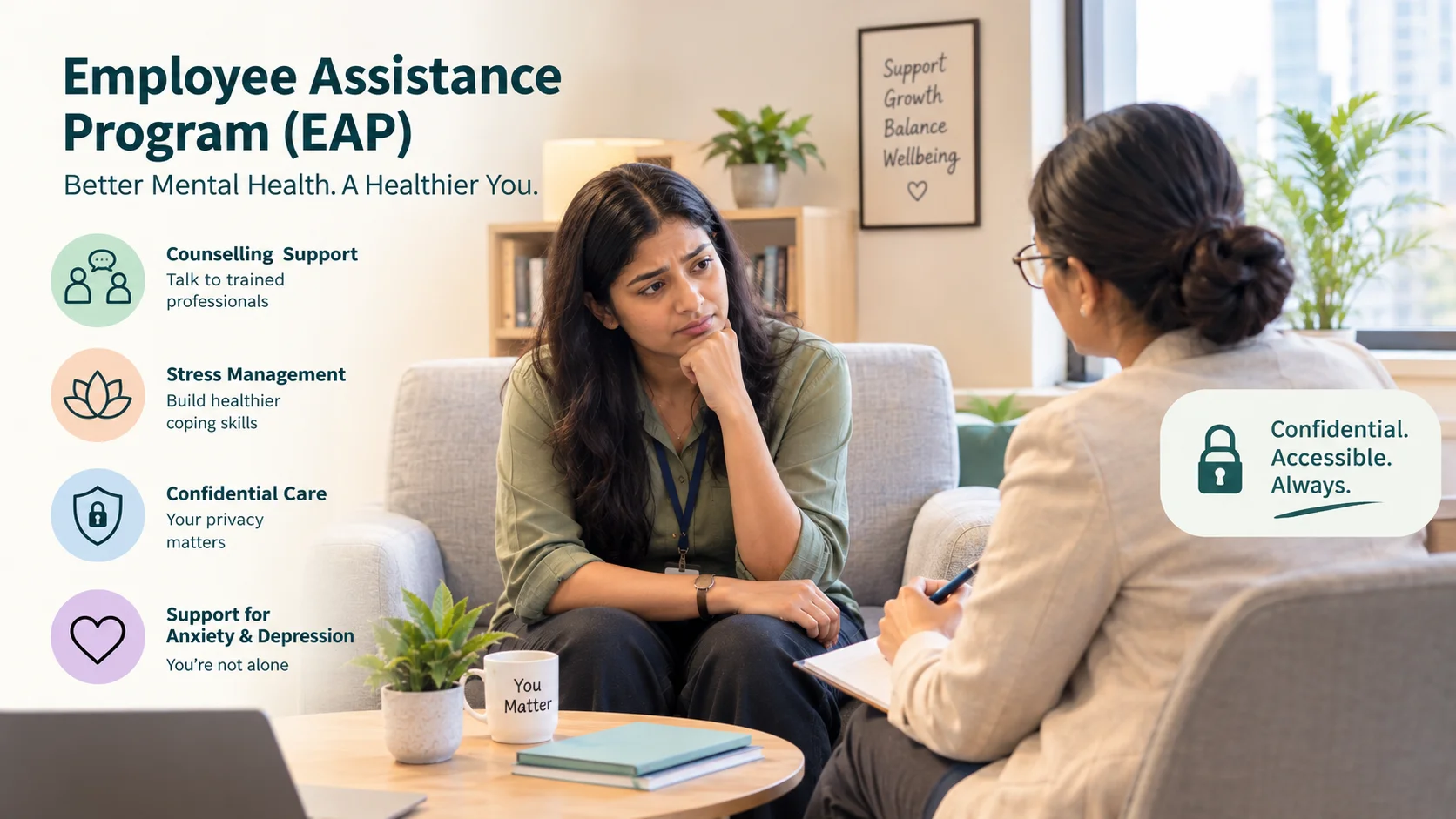
- Ask employers about an Employee Assistance Program (EAP) for free sessions
- Check university training clinics for reduced-rate sessions with supervised trainees
Cost shouldn’t be the reason anxiety goes untreated — asking about lower-cost options is a completely normal question.
How Do You Get an Appointment Quickly When You Need Support Now?
If anxiety feels urgent, waiting weeks for a first session isn’t practical. Search online-first platforms, which typically have shorter intake times than local practices. Ask directly, “Do you have any openings this week?” instead of browsing full calendars, and consider a platform with multiple clinicians rather than one solo practitioner. Many platforms now let you book an anxiety therapist appointment online in minutes.
If anxiety ever escalates into a crisis — thoughts of harming yourself, or panic that feels unmanageable and unsafe — please reach out to a crisis line or emergency services in your area right away rather than waiting on a scheduled appointment.
Where TalktoAngel Fits In
TalktoAngel is an online platform designed to make this search simpler. It connects people with licensed, experienced therapists for anxiety and panic attack treatment, using structured, evidence-based treatment for anxiety rather than generic talk sessions. You can browse therapist profiles by specialization and book an anxiety therapist appointment online without the back-and-forth of phone tag or long waitlists — whether you’re just starting to explore therapy or ready to book this week.
Frequently Asked Questions
How do I find an anxiety therapist near me?
Start by deciding between in-person or online care, then search specific terms like “anxiety therapist in [your city]” instead of a generic search. Shortlist 3–5 therapists, check their licensing for your state, and book a free consultation before committing.
How do I know if I have generalized anxiety disorder (GAD)?
GAD typically involves persistent, hard-to-control worry about everyday things — health, work, money, family — lasting most days for six months or more, often with restlessness, fatigue, or trouble concentrating. A licensed anxiety therapist can confirm a diagnosis.
What should I ask an anxiety therapist before my first session?
Ask whether they specialize in anxiety, what treatment approach they use, how many sessions people typically need, their rates, and whether they offer online sessions. Their answers — and how comfortable they make you feel — help you gauge fit.
Final Thoughts
Finding the right anxiety therapist doesn’t have to mean weeks of research. Get clear on what you need, ask a few direct questions, and give yourself permission to switch if the first fit isn’t right — that’s normal, not failure.
If you’re ready to stop searching and start talking to someone, TalktoAngel makes it easy to browse anxiety specialists and book a session that fits your schedule — often as soon as this week. Your first step doesn’t need to be a big one. It just needs to be the next one.