
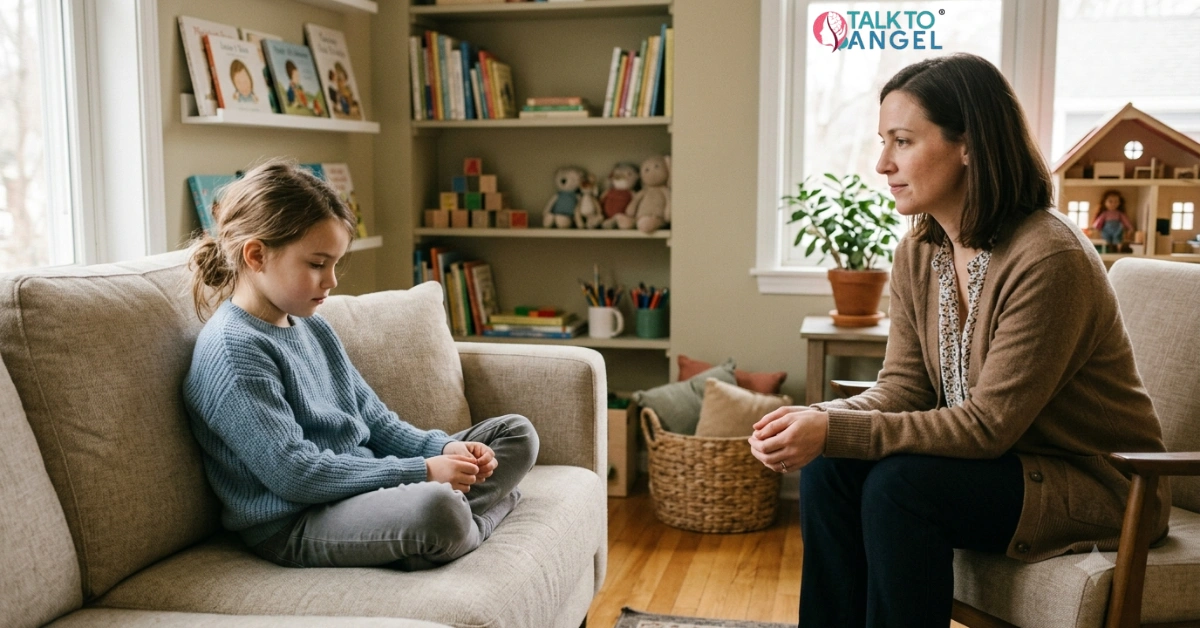
If your child seems distant, withdrawn, or unable to connect emotionally with caregivers, you may be dealing with more than a “difficult phase.” Reactive attachment disorder in children is a real, diagnosable condition rooted in early disrupted caregiving, and it can quietly shape how a child relates to others for years. The good news: with the right support, you can rebuild attachment. Here’s what RAD looks like, what causes it, and how attachment therapy for children can help your family heal.
What Is Reactive Attachment Disorder (RAD) in Children?
Reactive attachment disorder (RAD) develops when a baby or young child doesn’t get the consistent emotional care and comfort they need in their earliest years. Instead of forming a secure bond, the child learns that adults are unreliable or unsafe.
Clinically classified as a trauma- and stressor-related disorder, RAD is typically identified before age five. It’s marked by a child rarely seeking or accepting comfort, even when upset — not out of shyness, but as a survival response to early neglect.
Unlike conditions rooted in brain wiring from birth, RAD is a child development issue directly tied to the caregiving environment, which is why early, targeted intervention matters.
What Causes Reactive Attachment Disorder?
RAD develops when a child’s basic emotional and physical needs go unmet repeatedly during infancy or toddlerhood — not from a single stressful event, but from a pattern of neglect over time. Common contributing factors include:
- Severe early neglect, where a child’s cries go consistently ignored
- Frequent caregiver changes, such as multiple foster placements or institutional care
- Parental illness, addiction, or mental health struggles limiting consistent response
- Extended hospital stays in infancy separating a child from a primary caregiver
- Abuse or maltreatment during critical early years
RAD is relatively rare and almost always tied to documented, significant early adversity — not ordinary parenting mistakes or occasional stress.
What Are the Signs and Symptoms of Reactive Attachment Disorder?
The warning signs of reactive attachment disorder can be subtle, since affected children often appear unusually “easy” or withdrawn rather than acting out. Watch for:
- Rarely seeking comfort when hurt, scared, or upset
- Little or no response to comforting attempts
- Minimal eye contact or positive engagement with caregivers
- Unexplained irritability, sadness, or fearfulness
- Difficulty forming friendships or trusting peers
- Emotional flatness or appearing “shut down” socially
These behavioral difficulties are often mistaken for defiance or shyness, which is why professional evaluation matters — a child with RAD isn’t choosing to push people away; their nervous system has learned connection isn’t safe.
How Is Reactive Attachment Disorder Different from Autism or ADHD?
Reactive attachment disorder vs autism or ADHD can look similar on the surface — limited eye contact, social withdrawal, emotional dysregulation — but the causes differ.
Autism is a neurodevelopmental difference present from birth, affecting communication and social interaction across all relationships regardless of caregiving history. RAD is directly tied to early neglect, so a child may withdraw specifically because of who raised them, not how their brain is wired.
ADHD involves attention, impulse control, and hyperactivity difficulties across all settings. RAD-related behaviors are usually rooted in emotional withdrawal or fearfulness within relationships, not a general struggle with focus.
A qualified clinician distinguishes between these through careful history-taking and assessment — self-diagnosis isn’t recommended.
How Is Reactive Attachment Disorder Diagnosed?
Diagnosis typically involves a mental health professional assessing several areas:
- Attachment difficulties — how the child responds to caregivers during distress
- Child development — a full history of early caregiving, placements, and any documented neglect
- Behavioral difficulties — emotional expression and social patterns across settings
- Evidence-based treatment planning — building a plan grounded in attachment and trauma research, not generic behavioral advice
How Does Reactive Attachment Disorder Affect a Child’s Relationships?
Left unaddressed, RAD can ripple into nearly every relationship a child has. Without a secure template for safe connection, children with RAD often struggle to trust teachers or friends, ask for help, regulate emotions during conflict, and form close friendships as they grow.
Some children show signs of reactive attachment disorder in adults if untreated — difficulty with intimacy, trust issues in relationships, or persistent emotional disconnection. This is why early treatment matters: the sooner you address attachment patterns, the more responsive a child’s brain and behavior tend to be.
How Can Attachment Therapy Help Children With Attachment Problems?
Attachment therapy helps a child rebuild trust in relationships, one safe interaction at a time, addressing the root cause rather than just behavior. Effective approaches include:
- Parent-child relationship coaching — teaching caregivers to respond consistently and predictably
- Trauma-focused therapy — processing early adverse experiences at a manageable pace
- Play therapy — helping younger children express emotions they lack words for
- Family therapy — keeping the whole household consistent and patient
Trauma-informed therapy for children doesn’t rush the process — trust rebuilds through hundreds of small, reliable moments, not one breakthrough session.
What Can Parents Do to Build a Secure Attachment With Their Child?
Therapy works best alongside consistent effort at home:
- Stick to predictable routines — consistency communicates safety
- Respond calmly, every time — small repeated responses rebuild trust over months
- Use physical closeness thoughtfully — gentle touch and eye-level conversations, without forcing affection
- Narrate emotions — simple statements like “I can see you’re frustrated” help connect feelings to words
- Avoid punitive discipline — harsh consequences reinforce distrust
- Care for your own wellbeing — this journey is demanding, and support for you matters too
RAD vs. Insecure Attachment — and When to Seek Help
RAD is often confused with insecure attachment, but they differ. Insecure attachment describes a style of connecting — a child might be anxious or avoidant but still forms a genuine bond. RAD is more severe: a persistent pattern of not seeking comfort at all, tied to a documented history of neglect.
Consider seeking professional support if you notice your child rarely accepts comfort even when upset, shows persistent emotional withdrawal, has a history of disrupted caregiving, or struggles increasingly with trust and friendships as they age. Early support tends to lead to better outcomes.
Frequently Asked Questions
Is reactive attachment disorder a lifelong condition?
Not necessarily. With early diagnosis and consistent attachment therapy, many children show significant improvement. The earlier treatment starts, the better the long-term outlook — though some effects, like difficulty with trust, may take sustained support to fully resolve.
Can adopted or foster children develop RAD?
Yes. Children who experienced early neglect, multiple placements, or institutional care before adoption or fostering are at higher risk for reactive attachment disorder, even if their current home is safe and loving.
Is medication used to treat reactive attachment disorder?
There’s no specific medication for RAD itself. Treatment centers on attachment therapy and relationship-based approaches. Medication may occasionally be used for co-occurring conditions like anxiety, but it isn’t a primary treatment.
Finding the Right Support for Your Child
Reactive attachment disorder can feel overwhelming to navigate alone, but it’s treatable — healing is possible with consistent, informed support. If you’re noticing signs of attachment difficulties in your child, don’t wait for things to get harder before reaching out.
TalktoAngel, an online platform for mental health treatment, connects families with licensed therapists experienced in child development and trauma-informed care. Whether you want to find a therapist for children and adults online or simply get a professional opinion on what you’re seeing at home, taking that first step can make all the difference for your child’s future relationships.
Reach out to a qualified child psychologist or trauma therapist today to start building the secure, trusting relationship your child deserves.