Struggling to Manage Your Child’s ADHD? Top Treatment Centers in Delhi
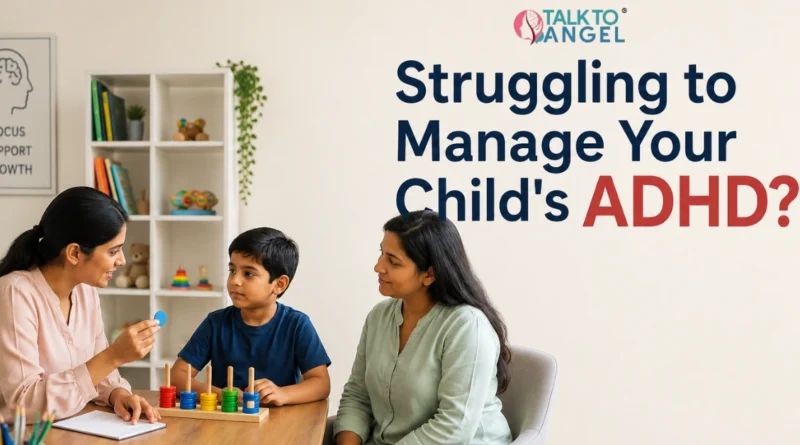
If your child can’t sit still through homework, loses focus mid-sentence, or melts down over the smallest change in routine, you’ve probably spent countless nights wondering whether it’s just a “phase” or something more. You’re not alone. Parents across Delhi are asking the same question, and the good news is that a child’s ADHD treatment in Delhi has come a long way — with structured therapy, skilled specialists, and practical support systems that genuinely work. This guide walks you through what ADHD actually looks like, how it’s diagnosed, and where to find real help.
What Is ADHD and How Does It Affect Children?
Attention-Deficit/Hyperactivity Disorder (ADHD) is a neurodevelopmental condition that affects a child’s ability to focus, control impulses, and regulate activity levels. It isn’t caused by bad parenting or too much screen time — it’s rooted in how the brain manages attention and self-control.
Children with ADHD often struggle in three core areas:
- Inattention – difficulty following instructions, forgetfulness, losing things often
- Hyperactivity – constant fidgeting, restlessness, trouble staying seated
- Impulsivity – interrupting others, acting without thinking, difficulty waiting turns
Left unaddressed, ADHD can affect a child’s self-esteem, friendships, and academic performance. With the right support, though, most children learn to manage it effectively and thrive.
What Are the Early Warning Signs of a Child’s ADHD?
Spotting a child’s ADHD early makes a real difference. Some signs parents and teachers commonly notice include:
- Trouble finishing tasks or schoolwork, even simple ones
- Frequently interrupting conversations or blurting out answers
- Difficulty playing quietly or waiting in line
- Being easily distracted by unrelated sounds or sights
- Losing homework, toys, or belongings repeatedly
If several of these behaviours show up consistently across home and school for six months or longer, it’s worth getting a professional opinion.
Is It ADHD or Just Normal Childhood Hyperactivity?
This is one of the most common questions parents ask, and it’s a fair one — most kids are energetic and easily distracted at some point. The difference lies in consistency, severity, and impact.
A hyperactive child without ADHD can usually calm down when asked, focus when genuinely interested, and function well across different settings. A child with ADHD, on the other hand, struggles to regulate behaviour regardless of the setting — at home, school, or during playdates — and it noticeably interferes with learning or relationships.
If you’re unsure, a proper ADHD diagnosis for children through a qualified psychologist is the only reliable way to know for sure. Self-diagnosis based on internet checklists often leads to unnecessary worry or, worse, missed intervention.
What Treatment Options Are Available for a Child’s ADHD?
Effective child ADHD care usually combines more than one approach, tailored to the child’s age and severity of symptoms. Common options include:
- Behavioural therapy – teaching the child (and parents) practical strategies to manage impulses and emotions
- Occupational therapy for the child’s ADHD – building focus, motor coordination, and daily-living skills through structured activities
- Cognitive Behavioural Therapy (CBT) – helping older children recognise thought patterns and build coping tools
- Parent training programs – equipping parents with routines and communication techniques that reduce daily friction
- Medication – considered in moderate-to-severe cases, always under a psychiatrist’s supervision
There’s no one-size-fits-all plan. A good child psychologist for hyperactive child cases will usually recommend a combination based on assessment results.
Which Therapies Are Most Effective for Managing a Child’s ADHD?
Among the therapies available, behavioural therapy and CBT consistently show strong, lasting results — especially when parents are actively involved in the process rather than leaving it entirely to the therapist.
Occupational therapy is particularly helpful for younger children who struggle with sensory regulation, handwriting, or physical coordination alongside attention issues. It uses play-based, goal-oriented activities to build the underlying skills a child needs to function better at school and home.
Social skills training is another underrated piece — many children with ADHD struggle with peer relationships simply because impulsivity gets in the way, and targeted coaching can close that gap significantly.
Do Children with ADHD Always Need Medication?
No — medication is not automatic, and it isn’t the first step for every child. For mild ADHD, therapy, structured routines, and school accommodations are often enough.
Medication typically comes into the picture when:
- Symptoms significantly disrupt learning or safety
- Behavioural interventions alone haven’t shown enough improvement
- A psychiatrist determines the benefits outweigh potential side effects
The decision should always be made jointly by parents and a qualified specialist after a thorough evaluation — never based on assumptions or comparisons with another child’s treatment plan.
How Does a Child’s ADHD Impact School Performance and Learning?
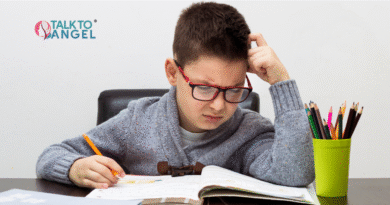
An untreated child’s ADHD can quietly chip away at a child’s academic confidence. Common classroom struggles include:
- Incomplete assignments despite understanding the material
- Difficulty following multi-step instructions
- Trouble transitioning between subjects or activities
- Careless mistakes from rushing through work
It’s important to remember: these struggles reflect an attention and self-regulation challenge, not a lack of intelligence. Many children with ADHD are highly capable once the right support structures are in place.
What Role Do Schools Play in Supporting a Child’s ADHD?
Schools are a critical part of the treatment puzzle, not just a place symptoms show up. Teachers who understand a child’s ADHD can make small adjustments that make a big difference:
- Seating the child away from distractions
- Breaking instructions into smaller, clearer steps
- Allowing movement breaks between tasks
- Using visual schedules and reminders
Open communication between parents, therapists, and teachers ensures the strategies used at the clinic are reinforced consistently at school — which speeds up progress considerably.
Simple Child’s ADHD Parenting Tips for Daily Routine
Managing a child’s ADHD isn’t only about therapy sessions — daily habits at home matter just as much. A few practical tips:
- Keep routines predictable: consistent wake-up, meal, homework, and bedtime schedules reduce daily friction
- Break tasks into smaller chunks: “clean your room” becomes “put the books on the shelf first”
- Use visual timers and checklists instead of verbal reminders alone
- Praise effort, not just results — this builds confidence over time
- Build in movement breaks during homework or study sessions
Small, consistent changes at home often amplify the results of professional therapy.
When Should You See a Specialist for Your Child’s ADHD?
If your child’s inattention, hyperactivity, or impulsivity is affecting school performance, friendships, or family life for more than six months, it’s time to consult a specialist rather than wait it out. Early intervention leads to significantly better long-term outcomes.
Look for a centre that offers a comprehensive evaluation — not just a quick chat — along with a clear, individualised treatment plan.
Frequently Asked Questions
Which doctor should I consult for my child’s ADHD in Delhi?
Depending on your child’s needs, you may consult a child psychologist, clinical psychologist, developmental paediatrician, psychiatrist, or another qualified ADHD specialist.
Can behavioural therapy help manage my child’s ADHD?
Yes. Behavioural therapy can help children develop routines, improve self-control, manage impulsive behaviour, and build attention and organisational skills.
Can online therapy help children with ADHD?
Online consultations may support parent guidance, behavioural strategies, counselling, and follow-up care. The suitability of online therapy depends on the child’s age, needs, and recommended treatment plan.
Where to Get Expert Help in Delhi
Psychowellness Center, one of the well-regarded ADHD treatment centers in Delhi, offers evaluation and therapy services including CBT, occupational therapy, and parent guidance for children showing signs of ADHD.
Psychowellness Center – Best Mental Health Clinic, Dwarka Plot No. 155 C-8, Pocket C, Sector 17, Dwarka, New Delhi, 110078 📞 +91 98106 36188
If you’ve been putting off getting an evaluation, consider this your sign. Book an ADHD treatment consultation in Delhi today, and take the first real step toward a calmer routine, a more confident child, and a family that isn’t constantly firefighting daily challenges. The earlier you start, the easier the journey becomes — for your child and for you.