How to Reduce Anxiety Triggered by Phobias Through Online Counselling
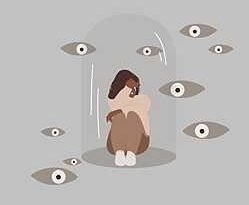
Phobias can feel like your mind and body are working against you. A simple trigger—like heights, crowds, injections, or even specific thoughts—can suddenly lead to intense fear, dizziness, rapid heartbeat, sweating, or a feeling of losing control. Many people describe it as “my body reacting before I can think.” This overwhelming response often raises one urgent question: Why does it feel so extreme, almost like a medical emergency?
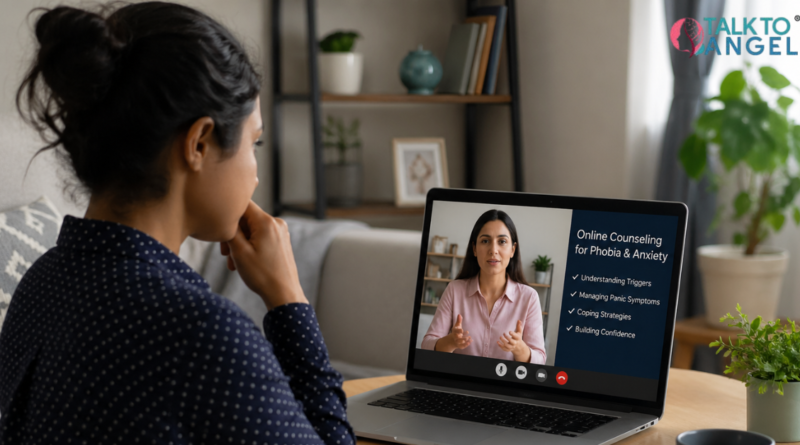
The good news is that modern online counselling to reduce anxiety triggered by phobias can help retrain your brain’s fear response. With the right guidance, it is possible to reduce triggers, manage panic symptoms, and regain emotional control without leaving home.
Why Does My Phobia Trigger Such Bad Physical Anxiety Symptoms?
Phobias activate the brain’s “fight-or-flight” system, even when there is no real danger. When your mind perceives a trigger, the amygdala sends alarm signals to your body, releasing stress hormones like adrenaline.
This leads to physical symptoms such as:
- Rapid heartbeat
- Shortness of breath
- Dizziness or lightheadedness
- Chest tightness
- Sweating or trembling
This is why anxiety triggers from phobias can feel so real and intense. Your body is reacting as if it is protecting you from danger—even when the threat is psychological, not physical.
Can Online Therapy Really Fix a Physical Phobia Response?
Yes, evidence-based online therapy can significantly reduce physical anxiety responses over time. The goal is not to instantly “erase fear,” but to retrain your brain’s reaction to triggers.
Through structured sessions, online therapy helps you:
- Identify phobia triggers
- Understand thought patterns linked to fear
- Gradually reduce sensitivity to triggers
- Build coping responses during panic episodes
With consistent online counselling for phobias, many people experience reduced intensity of physical symptoms and improved emotional control.
How Does Online Counseling for Phobias Help Reduce Anxiety Triggers?
Managing phobia triggers online is highly effective because therapy focuses on both thinking patterns and behavioral responses.
A therapist may use:
- Cognitive Behavioral Therapy (CBT) techniques
- Exposure-based strategies (gradual and safe)
- Relaxation training
- Thought restructuring exercises
These methods help you understand that the fear response is learned—and can be unlearned. Over time, your brain becomes less reactive to previously distressing situations.
Platforms like TalktoAngel offer structured online counseling sessions where individuals can work with trained professionals from home, making therapy more accessible and consistent.
How to Stop Feeling Dizzy When My Phobia Is Triggered?
Dizziness during a phobia response is often caused by hyperventilation—breathing too quickly due to panic.
To manage it:
- Breathe slowly (inhale for 4 seconds, exhale for 6–8 seconds)
- Ground yourself by focusing on physical objects around you
- Relax your shoulders and jaw
- Remind yourself: “This is anxiety, not danger.”
Over time, anxiety management techniques for phobias help reduce the frequency and intensity of dizziness episodes.
Why Does My Phobia-Induced Anxiety Feel Like a Heart Attack?
This is one of the most common concerns. During a panic response, adrenaline increases heart rate and muscle tension, creating sensations that feel similar to a heart attack.
However, panic attacks caused by phobias:
- Peak within minutes
- Do not cause physical heart damage
- Reduce once the fear cycle is interrupted
Learning this distinction is a key part of reducing phobia anxiety through therapy. Online counseling helps you recognize these symptoms early and respond calmly instead of escalating fear.
Managing Phobia-Induced Panic Attacks Online: What Techniques Work?
Managing phobia-induced panic attacks online involves practical, repeatable tools:
- Breathing techniques: Control oxygen intake to reduce physical symptoms
- Cognitive reframing: Replace catastrophic thoughts with realistic ones
- Exposure exercises: Gradual, controlled exposure to triggers
- Mindfulness practices: Staying present instead of imagining worst-case scenarios
Therapists guide you step-by-step so you are never exposed to overwhelming situations alone.
What Is Evidence-Based Online Therapy for Phobias?
Evidence-based online therapy refers to treatments supported by psychological research. The most common approach is CBT, which focuses on breaking the fear-thought cycle.
Key benefits include:
- Structured and measurable progress
- Personalized coping strategies
- Long-term reduction in phobia intensity
- Improved confidence in handling triggers
Unlike avoidance, which strengthens fear, therapy helps you gradually face and neutralize it safely.
How to Connect With the Best Phobia Specialist Online?
When looking to connect with the best phobia specialist online, consider:
- Experience in anxiety and phobia treatment
- Use of CBT or evidence-based methods
- Comfort and communication style
- Consistent session structure
A reliable platform like TalktoAngel offers access to qualified mental health professionals who specialize in anxiety-related concerns and provide confidential online sessions.
How to Reduce Anxiety Triggered by Phobias at Home?
You can actively support therapy by practicing:
- Daily breathing exercises
- Journaling fear triggers and reactions
- Avoiding excessive reassurance-seeking
- Maintaining sleep and routine stability
- Practicing gradual exposure techniques safely
These steps strengthen the progress made in online counseling and help stabilize emotional responses over time.
Final Thoughts
Phobias can feel overwhelming because they trigger both emotional fear and strong physical reactions—making you wonder, “Is your phobia controlling your life?” However, with structured online counseling for phobias, it is possible to retrain your brain’s response system and significantly reduce anxiety symptoms.
Whether it is dizziness, panic, or fear of losing control, these reactions are treatable through consistent guidance, self-practice, and evidence-based online therapy. With support from platforms like TalktoAngel, individuals can work toward regaining calmness, confidence, and control—without needing to step outside their comfort zone initially.