
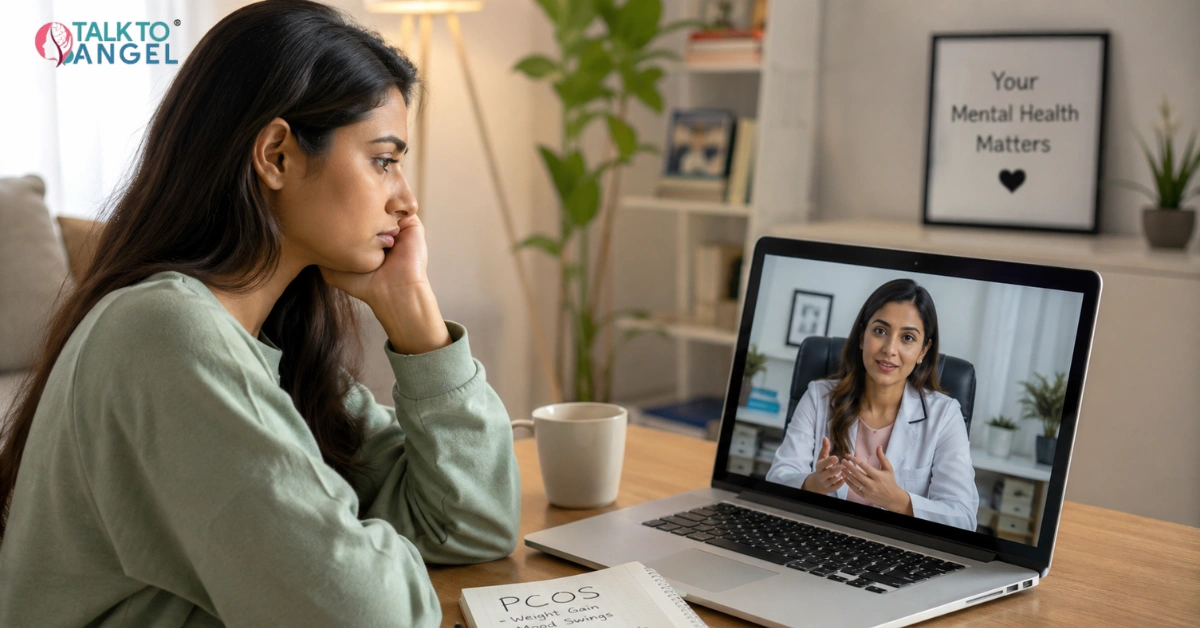
If you live with polycystic ovary syndrome, you already know it affects far more than your periods or skin. Many women quietly deal with racing thoughts, constant worry, and mood swings that seem to appear out of nowhere. The link between PCOS and anxiety is real and well documented, yet it’s often overlooked by patients and doctors alike. The good news is you don’t have to manage it alone. An online psychiatrist for PCOS can help you understand what’s happening in your body and mind, and build a plan that actually works.
What Is the Link Between PCOS and Anxiety?
Polycystic ovary syndrome (PCOS) is a hormonal condition, but its impact reaches well beyond the reproductive system. Studies consistently show that women with PCOS experience anxiety and depression at noticeably higher rates than women without the condition.
This isn’t a coincidence. The same hormonal shifts that disrupt ovulation — elevated androgens, insulin resistance, and fluctuating estrogen — also influence brain chemistry and stress response. Add in the emotional weight of weight changes, fertility concerns, and visible symptoms like acne or hair thinning, and it’s easy to see why anxiety due to hormonal changes becomes a daily struggle for so many women.
Why Does PCOS Trigger Anxiety and Mood Swings?
Several overlapping factors explain why PCOS and anxiety so often show up together:
- Hormonal fluctuations – Imbalanced estrogen, progesterone, and testosterone can directly affect serotonin and dopamine levels.
- Chronic inflammation – PCOS is linked to low-grade inflammation, which research connects to mood disorders.
- Insulin resistance – Blood sugar swings can trigger irritability, fatigue, and anxious energy.
- Body image concerns – Weight gain, acne, and excess hair growth can chip away at self-esteem over time.
- Fertility stress – Worry about conceiving or long-term reproductive health adds another layer of emotional pressure.
Recognising these triggers is the first step toward feeling more in control, rather than feeling like your emotions are random or unmanageable.
What Are the Common Symptoms of PCOS-Related Anxiety?
Not everyone experiences PCOS anxiety symptoms the same way, but common signs include:
- Persistent worry that’s hard to switch off
- Irritability or sudden mood swings
- A racing heartbeat or chest tightness without a clear cause
- Trouble sleeping, even when exhausted
- Overthinking about appearance, fertility, or health
- Fatigue paired with restlessness
If several of these have lasted weeks rather than days, it may point toward generalized anxiety disorder (GAD) occurring alongside polycystic ovary syndrome. That combination deserves proper attention, not just lifestyle tweaks.
How Do Hormonal Imbalances Affect Mental Health in PCOS?
Hormones act as chemical messengers, and when they’re out of balance, the brain feels it too. Elevated androgen levels in PCOS have been linked to changes in mood regulation, while insulin resistance can affect energy and mental clarity.
This is exactly why treating PCOS anxiety usually means looking at the whole picture — hormones, metabolism, and mental health together — instead of treating mood symptoms in isolation. A psychiatrist who understands this overlap can spot patterns a general physician might easily miss.
How Can an Online Psychiatrist Help Manage PCOS Anxiety?
An online psychiatrist for PCOS brings a targeted, medically informed approach to symptoms that lifestyle changes alone often can’t fully resolve.
1. A Thorough Mental Health Assessment
A psychiatrist evaluates your symptoms, history, and hormonal context to understand whether you’re dealing with situational stress, GAD, or another underlying condition.
2. Personalised PCOS Anxiety Treatment
This may combine talk therapy, cognitive behavioral techniques, and, when appropriate, medication to help regulate mood and stress response.
3. Coordination With Your Broader Care
Many online psychiatrists work alongside gynecologists or endocrinologists, so your online mental health consultation fits into your overall polycystic ovary syndrome plan instead of existing separately from it.
4. Flexible, Ongoing Support
Because sessions happen online, you can access online therapy for PCOS from home and fit appointments around irregular symptoms, without the added stress of travel or waiting rooms.
5. A Judgment-Free Space to Talk
Body image struggles, fertility worries, or frustration with your diagnosis can be hard to voice to friends or family. A psychiatrist offers a confidential space to say it exactly as it is.
Natural Ways to Support PCOS Anxiety Treatment Alongside Therapy
Professional support works best when paired with everyday habits that help manage anxiety caused by PCOS naturally:
- Regular movement – Even 20–30 minutes of walking or yoga can lower cortisol and lift mood.
- Balanced meals – Stabilising blood sugar with protein and fibre-rich meals can reduce anxious energy tied to insulin swings.
- Consistent sleep – A steady schedule supports hormonal regulation and emotional resilience.
- Mindfulness practices – Breathing exercises or short meditation sessions can calm the nervous system during anxious spikes.
- Fewer stimulants – Cutting back on excess caffeine can ease jitteriness and racing thoughts.
These habits won’t replace professional treatment, but they meaningfully support it.
Ready to Talk to a Psychiatrist Online for PCOS?
You don’t need to wait until things feel unbearable to ask for help. If PCOS has been affecting your mood, sleep, or peace of mind, it’s worth reaching out to a professional who understands both the hormonal and emotional sides of this condition. If you’d like to explore this further, our guide on How Counselling Helps Women Cope With Polycystic Ovary Syndrome breaks down exactly what that support can look like.
TalktoAngel connects you with experienced, licensed psychiatrists and therapists who specialise in conditions like PCOS-related anxiety. Through a simple online mental health consultation, you can get a clear diagnosis, a personalised treatment plan, and ongoing support — all from wherever you feel most comfortable.
Your mental health matters just as much as your physical symptoms. Take the first step today, and talk to a psychiatrist online for PCOS with TalktoAngel, because feeling steady in your mind shouldn’t have to wait.
Frequently Asked Questions
Can PCOS really cause anxiety, or is it just stress?
Yes. PCOS involves hormonal shifts — including elevated androgens and insulin resistance — that directly influence brain chemistry and mood regulation. While life stress can add to it, the anxiety many women with PCOS feel has a genuine physiological basis, not just situational worry.
How do I know if I need to see a psychiatrist instead of just managing symptoms myself?
If your worry, irritability, or low mood has lasted more than two to three weeks, is affecting your sleep, work, or relationships, or feels disproportionate to what’s actually happening, it’s a good sign to seek professional support. A psychiatrist can also help if lifestyle changes haven’t improved how you feel.
This article is for informational purposes and isn’t a substitute for personalised medical advice. If you’re experiencing persistent anxiety or emotional distress, please consult a licensed mental health professional.