
Big life changes have a way of knocking us off balance — a breakup, a job loss, a move, a diagnosis, or even a happy change like a new baby or a promotion. When the stress of that change starts to feel bigger than your ability to cope, you may be dealing with adjustment disorder. The encouraging part is that you don’t need to jump straight to medication. With the right adjustment disorder treatment approach, therapy alone can help you feel steady again. Here’s how to manage adjustment disorder naturally, understand your symptoms, and start feeling like yourself.
What Is Adjustment Disorder and Why Does It Happen After Major Life Changes?
Adjustment disorder is a stress response that develops when someone struggles to cope with a specific, identifiable life event. It usually appears within three months of the triggering change and can affect your emotions, behavior, and daily functioning.
Your mind is built to handle change, but when a shift is sudden, significant, or piled on top of existing pressure, your usual coping tools can get overwhelmed. That’s when adjustment disorder symptoms show up.
Common triggers include:
- Divorce or a relationship ending
- Job loss or financial pressure
- Moving to a new city
- A serious health diagnosis
- Starting college or a new job
- Becoming a parent
- Retirement or identity shifts
This isn’t a sign of weakness — it’s your nervous system asking for extra support while it catches up to your new reality.
What Are the Most Common Symptoms of Adjustment Disorder?
Symptoms differ from person to person, but most people notice a combination of emotional and physical changes.
Emotional symptoms:
- Ongoing sadness or hopelessness
- Anxiety or a constant sense of unease
- Irritability or mood swings
- Trouble concentrating
- Losing interest in things you used to enjoy
Physical and behavioral symptoms:
- Sleep problems (too little or too much)
- Appetite changes
- Low energy or fatigue
- Pulling away from friends and family
- Struggling to keep up at work or school
If these symptoms are disrupting your relationships or routine, it’s a good sign to explore treatment rather than wait it out.
How Can You Manage Adjustment Disorder Symptoms Naturally With Therapy?
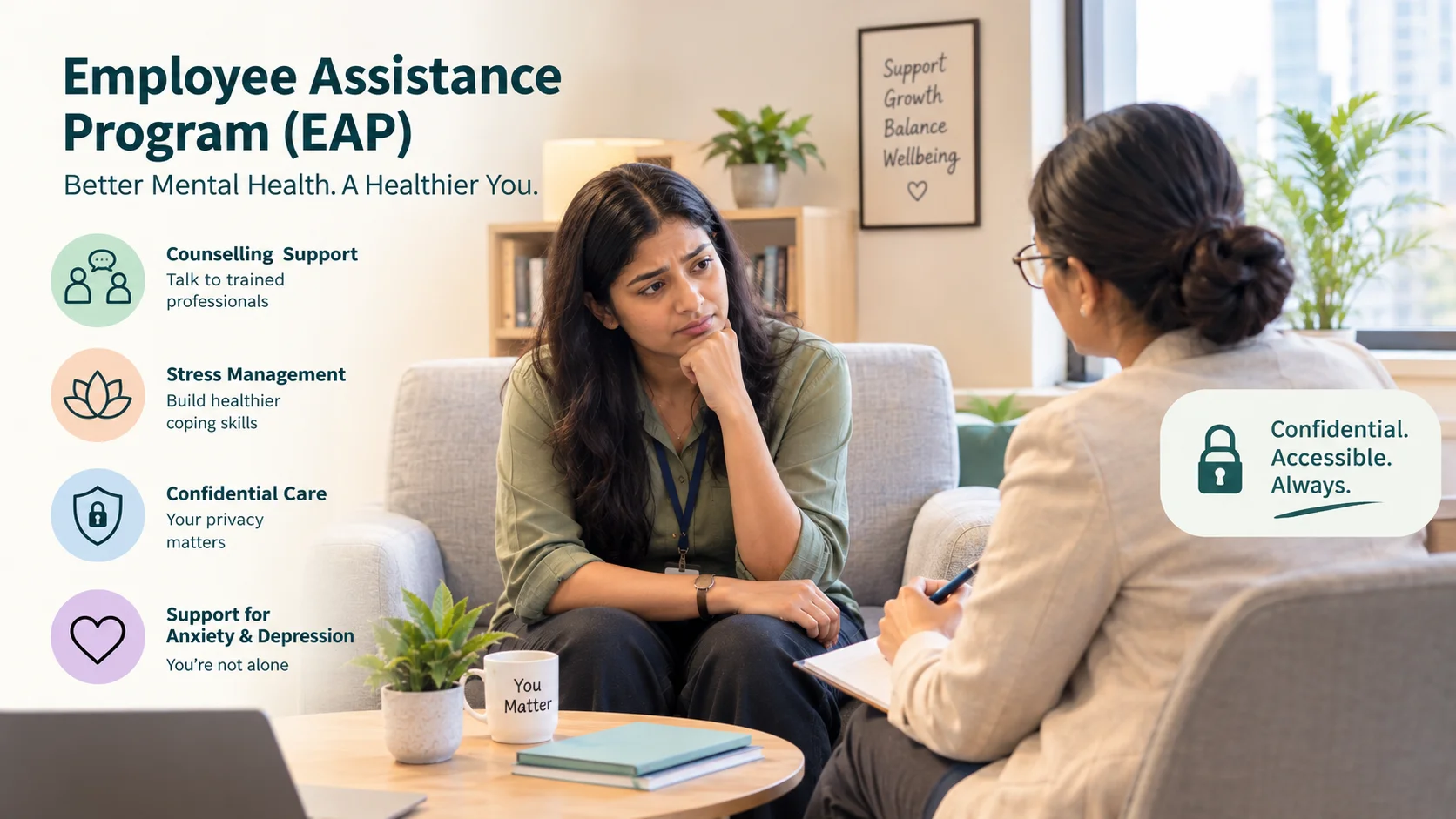
This is the heart of the matter — and therapy is one of the most effective, natural ways to treat adjustment disorder without relying on medication first.
1. Cognitive Behavioral Therapy (CBT): CBT helps you spot the thought patterns fueling your distress and reshape them into something more balanced. It’s typically short-term and focused directly on your triggering event, so relief often comes faster than expected.
2. Talk Therapy: Sometimes the most natural treatment is simply having a safe space to process what you’re going through, instead of carrying it silently.
3. Mindfulness-Based Techniques: Practices like short breathing exercises or a daily body scan train your nervous system to stay grounded instead of spiraling into worry.
4. Supportive Daily Habits: Pair therapy with small, consistent routines:
- A regular sleep schedule
- Daily movement, even a short walk
- Less alcohol and caffeine
- Journaling to track mood and triggers
- Staying in touch with one supportive person
These habits don’t replace therapy, but they strengthen it.
How Can You Reduce Anxiety and Stress Caused by Adjustment Disorder?
Anxiety often shows up as racing thoughts, tension, or a constant feeling of being on edge. A few strategies help:
- Name the stressor. Vague anxiety feels bigger than anxiety you’ve clearly identified.
- Try grounding techniques, like naming five things you see and four you hear.
- Set small, achievable goals instead of trying to fix everything at once.
- Talk to a therapist about anxiety tools suited to your specific triggers.
If anxiety feels constant or is affecting your sleep, it may be time to book an online psychologist consultation rather than manage it alone.
How Can You Overcome Sadness Caused by Adjustment Disorder?
Sadness after a major change is normal, but when it lingers, it deserves attention. Helpful approaches include:
- Behavioral activation — gently scheduling small, enjoyable activities back into your week
- Grief-informed therapy — useful even when the loss isn’t a death, but a lost routine or identity
- Self-compassion practices — learning to speak to yourself the way you’d speak to a friend
Sadness tied to adjustment disorder tends to ease faster once the underlying stressor is addressed directly in therapy.
How Can You Cope With Adjustment Disorder After a Major Life Change?
Coping isn’t about “getting over it” fast — it’s about building steady ways to adapt.
- Create a new routine for a sense of predictability.
- Allow yourself to grieve the old normal, even after a positive change.
- Limit major decisions until you feel more stable.
- Reconnect gradually with people and activities you’ve pulled away from.
- Consider online therapy for adjustment disorder if in-person sessions feel hard to access right now.
How Can You Stop Overthinking and Negative Thinking During Adjustment Disorder?
Overthinking is exhausting — your mind replays scenarios and worst-case outcomes on a loop. Therapy helps break this pattern through:
- Cognitive restructuring — replacing distorted thoughts with balanced ones
- Scheduled “worry time” — 10–15 minutes a day to process concerns, instead of all day
- Thought-stopping techniques — cues to interrupt spiraling thoughts
- Journaling prompts — writing the thought, then the evidence for and against it
When Should You Seek Professional Help?
Self-help strategies work best alongside professional support, especially if:
- Symptoms last longer than six months
- You’re withdrawing from work or relationships
- You’re having thoughts of self-harm
- Daily functioning feels significantly impaired
A licensed psychologist can assess your symptoms properly and rule out overlapping conditions like depression or anxiety disorders.
Final Thoughts
Adjustment disorder can make a hard life change feel even heavier, but with therapy, healthy routines, and self-awareness, most people see real improvement — often without medication. If you want to understand more about how stress builds up to this point, our earlier post on Adjustment Disorder: When Stress Becomes Too Much to Handle breaks down the warning signs in more depth. If anxiety, sadness, or overthinking are weighing you down after a big change, don’t wait for it to pass on its own. Book an online psychologist consultation today and take the first step toward feeling steady again.
Frequently Asked Questions
Can adjustment disorder go away without medication?
Yes, for many people it can. Because adjustment disorder is directly tied to a specific stressor, therapy approaches like CBT and talk therapy often resolve symptoms on their own, especially when combined with healthy routines and consistent support.
How long does adjustment disorder usually last?
Symptoms typically improve within six months once the stressor is addressed or you adapt to the change. If symptoms persist longer, it’s worth speaking with a psychologist to rule out a more ongoing condition.