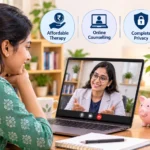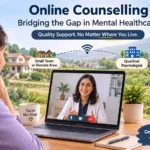
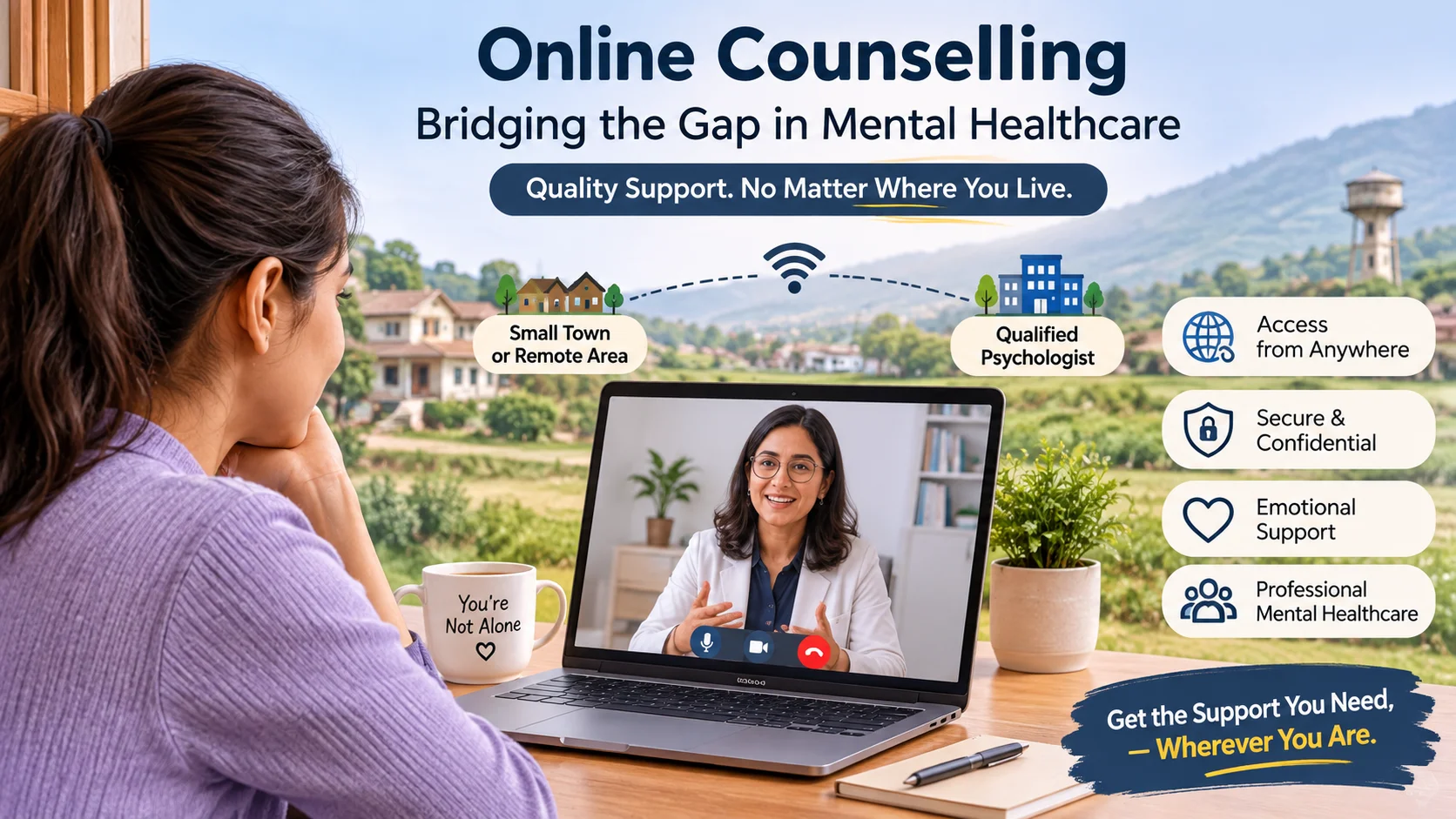
If you’ve ever searched “therapist near me” from a small town and found nothing but a 90-minute drive, a six-month waitlist, or a counselor who happens to know your neighbor, you’re not alone. Millions of people in small towns and rural areas face a simple, frustrating problem: the mental health support they need simply isn’t local. The good news is that online counseling in small towns has changed what “nearby” even means. With a stable internet connection, you can now speak to a licensed therapist today, not six months from now, and get care without anyone in town knowing you’re in therapy at all.
Why Are Mental Health Resources So Scarce in Small Towns?
The mental health treatment gap isn’t your imagination — it’s a well-documented structural issue.
- Fewer practitioners choose to practice rurally. Therapists tend to cluster in cities, where client volume, pay, and professional networks are higher.
- Low population density means fewer referrals. A small town may not generate enough demand to support even one full-time psychologist.
- Travel time becomes a barrier. When the nearest clinic is an hour away, a weekly session turns into a half-day commitment.
- Everyone knows everyone. In tight-knit communities, the fear of being seen walking into a counselor’s office can be enough to stop people from ever booking that first appointment.
This combination of scarcity, distance, and visibility is exactly why mental health support for small-town residents has lagged behind urban areas for decades — and why online models are filling the gap so quickly.
What Is Online Counseling and How Does It Actually Work?
Online counseling, also called teletherapy or e-therapy, connects you with a licensed mental health professional through video calls, phone sessions, or secure messaging instead of an in-person office visit.
Here’s what a typical process looks like:
- You sign up on a platform and share basic information about what’s bringing you to therapy.
- You’re matched with a therapist based on your concerns — anxiety, grief, relationship issues, and so on.
- You book a session at a time that works for you, often including evenings and weekends.
- You connect via secure video or audio, from your bedroom, car, or any private space with a connection.
- You continue with regular sessions, track progress, and message your therapist between appointments if the platform allows it.
The format may be different from sitting across from someone in an office, but the therapeutic techniques — cognitive behavioral therapy, solution-focused therapy, mindfulness-based approaches — remain the same.
Can Online Therapy Be as Effective as Seeing a Therapist in Person?
Yes, and more than anecdote supports this. Multiple studies, including research published in journals like the Journal of Affective Disorders and reviews by the American Psychological Association, have found that online therapy produces outcomes comparable to in-person therapy for conditions like depression, generalized anxiety, and PTSD.
What matters most isn’t the medium — it’s the therapeutic alliance, the trust and rapport between you and your therapist. A good online psychologist consultation can build that connection as effectively as an in-person one, especially with consistent sessions and a platform that supports continuity of care.
How Does Online Counseling Solve the Rural Mental Health Gap?
Online therapy in rural areas directly addresses the barriers that keep small-town residents from getting help:
- No travel required. You attend sessions from home, work, or even your car during a lunch break.
- Faster access. Instead of waiting months for a local opening, you can often book an online session within days.
- Wider choice of specialists. Need someone experienced in trauma, LGBTQ+ issues, or postpartum depression? Online platforms let you choose from therapists across the country instead of the one or two available locally.
- Flexible scheduling. Early morning, late evening, or weekend slots make therapy possible even with demanding farm, shift, or caregiving schedules.
- Consistency during weather or seasonal disruptions. Snow, flooding, or harvest season no longer means missed sessions.
What Are the Biggest Barriers to Therapy in Small Towns?
Beyond simple distance, small-town residents often face barriers that are more social and financial than logistical:
- Cost concerns, especially when insurance panels are limited in rural regions.
- Lack of anonymity, where seeing a counselor’s car outside the clinic becomes town news.
- Cultural attitudes that frame therapy as a sign of weakness rather than self-care.
- Limited specialization, where the one local counselor may not be trained in your specific concern, such as eating disorders or complex trauma.
Online counseling softens each of these. Session costs are often lower than in-person therapy, there’s no parking lot to be spotted in, and you can specifically search for a therapist trained in exactly what you’re dealing with.
Is Online Counseling Safe, Private, and Confidential?
This is one of the most common hesitations, and it’s a fair one to raise before trusting a stranger with your personal struggles.
Reputable platforms use:
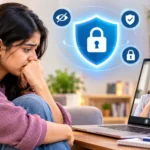
- End-to-end encrypted video and messaging, so sessions aren’t accessible to third parties.
- Licensed professionals only, verified through credentialing checks before they’re allowed to practice on the platform.
- Confidential records, stored securely and never shared without your consent, in line with standard clinical confidentiality rules.
- Private, judgment-free access, meaning no one in your town needs to know you’re attending sessions at all.
This is where overcoming stigma with private online therapy becomes real rather than theoretical — therapy happens entirely on your device, in your own space, on your own terms.
How Do You Choose the Right Online Therapist for Your Needs?
A few practical steps make this easier:
- Check credentials. Confirm the therapist is licensed and trained for your specific concern.
- Look at specialization. Someone focused on couples therapy may not be the best fit for severe anxiety, and vice versa.
- Consider session format. Decide if you prefer video, phone, or text-based check-ins.
- Test the fit. Most platforms allow you to switch therapists if the first match doesn’t feel right — this is normal.
- Ask about availability. If evenings or weekends work better for your schedule, confirm this upfront.
Can Online Therapy Help with Common Issues Like Anxiety, Stress, and Loneliness?
Yes. These are among the most frequently treated concerns through mental health services delivered online:
- Anxiety and chronic stress, often addressed through cognitive behavioral therapy and relaxation techniques.
- Loneliness and isolation, which can be especially pronounced in small towns where social circles are small, and support groups are scarce.
- Grief and life transitions, including farm or job loss, relocation, or family changes.
- Relationship and family conflict, where couples or family counseling is available without needing a local specialist.
For many rural residents, online therapy is the first time they’ve had consistent, judgment-free space to talk about what they’re carrying.
How Is Technology Closing the Mental Health Treatment Gap in India?
In India specifically, the mental health treatment gap in smaller towns and semi-urban areas has historically been severe, with most trained psychologists and psychiatrists concentrated in metro cities. Online platforms are changing this by:
- Connecting Tier 2 and Tier 3 town residents with therapists based in Delhi, Mumbai, or Bangalore without any travel.
- Offering sessions in regional languages, not just English.
- Making online psychologist consultation affordable through flexible, pay-per-session or subscription models.
- Reducing dependence on a single local doctor who may already be overwhelmed with patients.
How Can Families in Small Towns Overcome the Stigma Around Therapy?
Stigma rarely disappears overnight, but families can shift the culture around them:
- Talk about therapy the same way you’d talk about a doctor’s visit — as routine care, not a crisis response.
- Model it yourself. Parents and elders attending sessions normalizes it for younger family members.
- Use private, online options so the first step doesn’t require a public conversation before someone is ready.
- Share progress, not diagnoses. You don’t need to disclose details to signal that therapy helped — simply being open about attending can reduce shame for others.
Final Thoughts: You Don’t Have to Drive an Hour to Feel Better
Living far from a therapist’s office is no longer a reason to go without support. Online counseling for small towns puts licensed, confidential, and effective care within reach of anyone with an internet connection — no waitlists, no small-town visibility, no compromise on quality. If anxiety, stress, loneliness, or a difficult life transition has been weighing on you, the nearest help may already be closer than you think.
TalktoAngel connects individuals in small towns and rural areas with licensed therapists for confidential online counseling, so geography never has to decide whether you get support. Book a session today and take the first step toward feeling better, wherever you are.