Booking your first couples counselling session can feel more nerve-wracking than the problems that led you there. You might picture an awkward room, a stranger judging your relationship, or a fight breaking out mid-session. The truth is far less dramatic. Couples counselling is a structured, supportive space built to help you and your partner untangle relationship conflict and rebuild emotional connection. Here’s exactly what to expect, why the nerves are normal, and how the process helps.
Why Do So Many Couples Feel Nervous Before Their First Session?
Feeling anxious before your first appointment is one of the most common experiences couples report. You’re about to discuss private, often painful parts of your relationship with someone new, and that alone is enough to trigger nerves.
A few reasons this shows up so often:
- Fear of being judged for problems kept hidden from friends and family
- Worry that therapy means the relationship is “failing”
- Uncertainty about the process itself
- Past experiences with trust and betrayal that make opening up feel risky
- Concern that one partner will be blamed more than the other
Naming this fear is the first step in overcoming fear of therapy as a couple. Most people walk in nervous and walk out relieved — the anticipation is almost always worse than the reality.
What Actually Happens in Your First Couples Counselling Session?
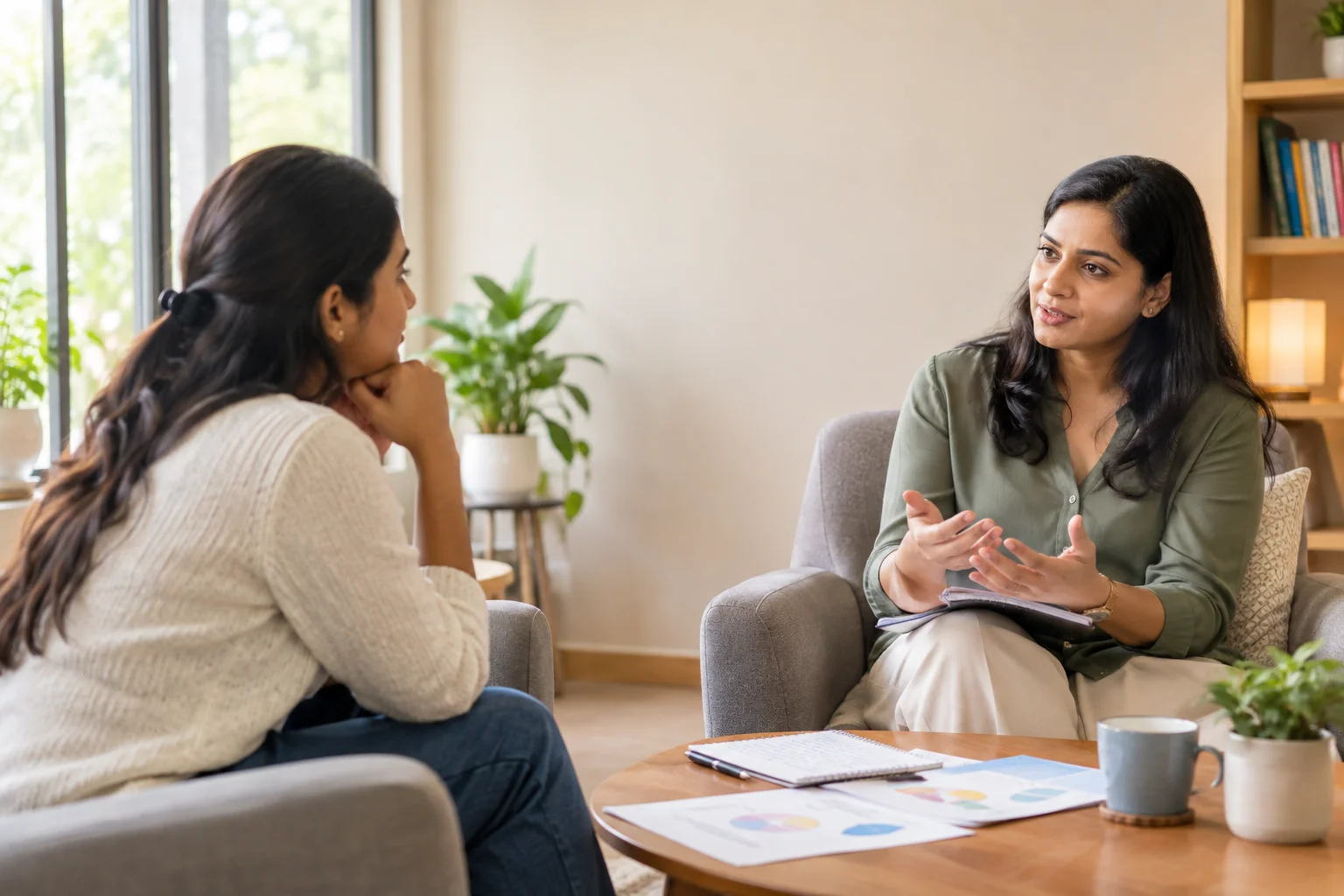
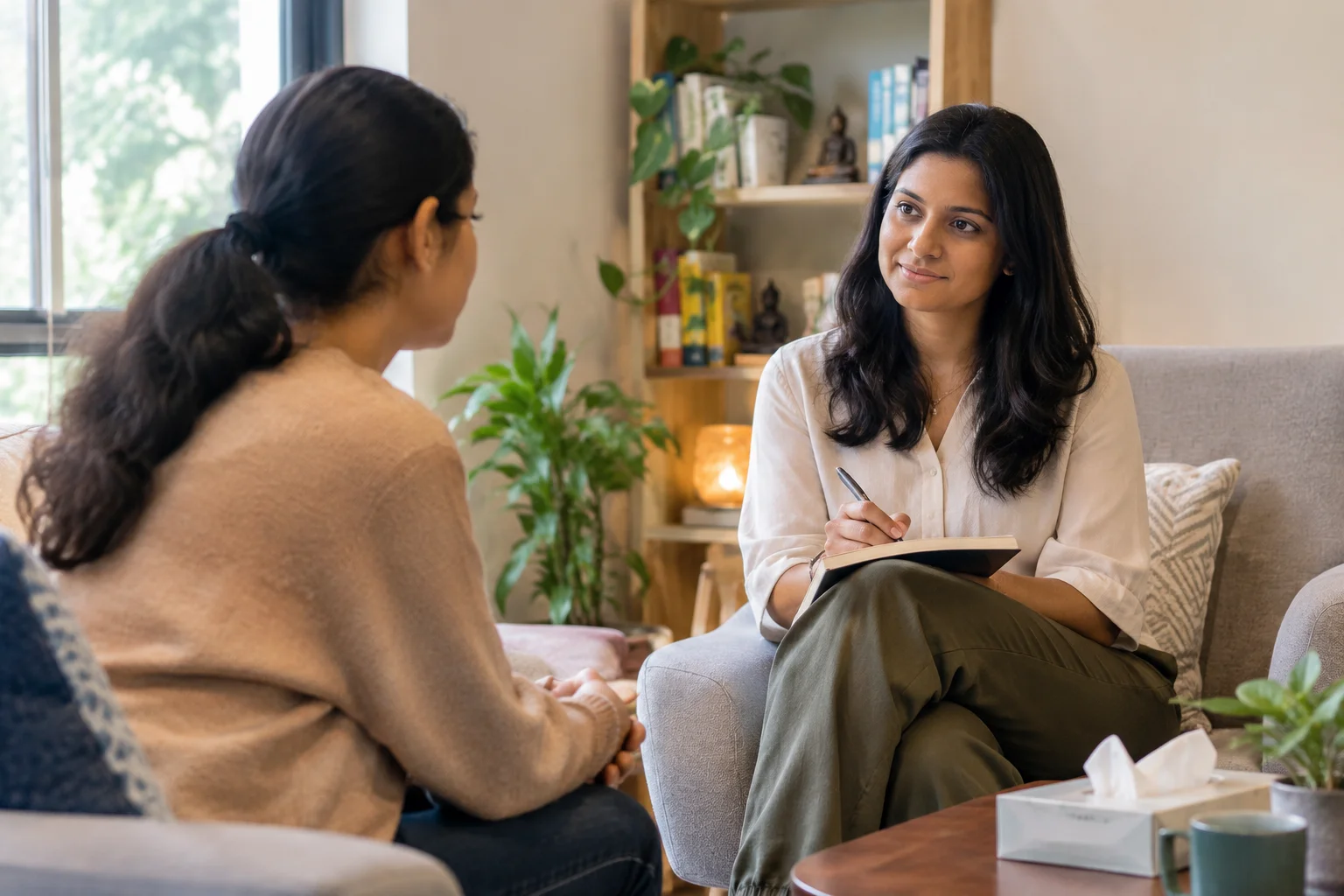
Your first session is mostly about getting oriented, not diving into your deepest issues immediately. A skilled therapist spends this time understanding your relationship history, current struggles, and what you both hope to get from therapy.
Typically, a first session includes:
- Introductions and ground rules around confidentiality
- A brief relationship history — how you met, what’s changed
- Identifying core issues, like communication difficulties or unresolved resentment
- Setting goals together, so both partners feel heard
- A light introduction to techniques like active listening
You don’t need everything figured out. You’re simply telling your story while the therapist listens for relationship patterns worth addressing.
Is It Normal to Feel Awkward Talking to a Stranger About Your Relationship?
Yes, completely normal — and it usually fades faster than expected. Most couples say the awkwardness peaks in the first ten minutes and softens by the second or third session.
A few things that help:
- Therapists create a non-judgmental, confidential space
- Disclosure happens gradually, at your own pace
- The therapist guides the conversation, so you’re never sitting in silence
- Many find it easier to talk to a neutral professional than a friend who might take sides
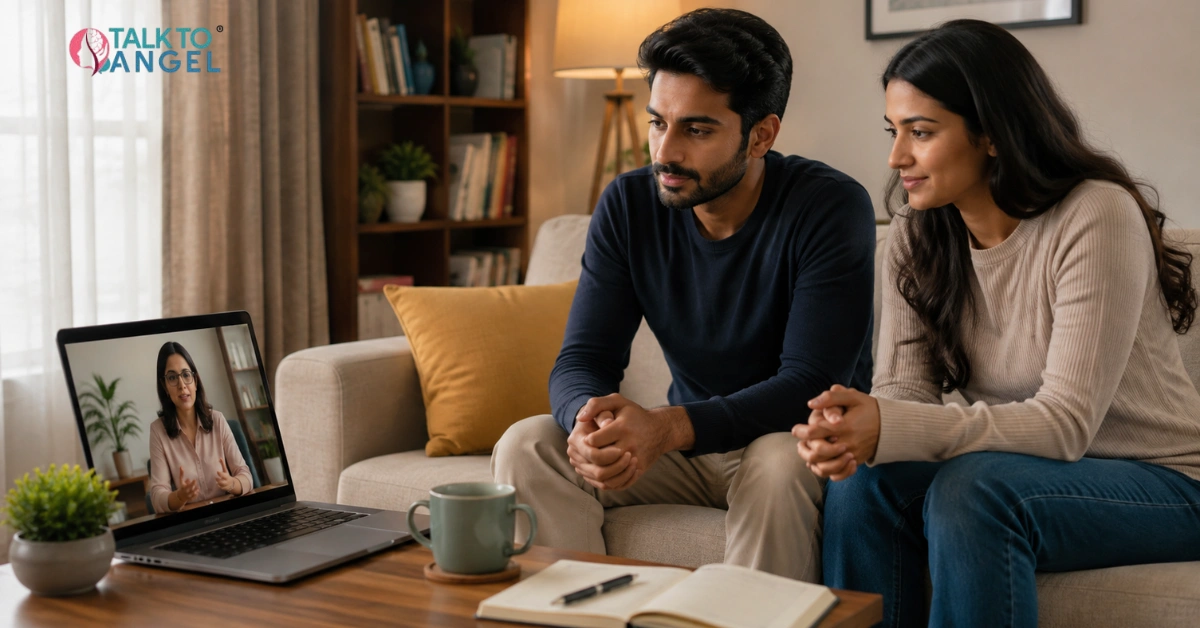
With couples counselling online, this awkwardness often feels even smaller, since being in your own home lowers the pressure compared to a formal office. It also helps to remember that what feels deeply personal to you is a familiar relationship pattern the therapist already knows how to work with.
How Should You Prepare Before Your First Appointment?
A little preparation helps, though you don’t need a script. Try writing down two or three specific issues rather than a vague sense that “things feel off,” reflecting on what you want from the relationship, and agreeing to approach the session with curiosity rather than the goal of “winning.”
Common signs you need couples counselling include the same argument repeating without resolution, conversations that quickly turn into blame or shutdown, feeling more like roommates than partners, lingering unresolved resentment, and avoiding difficult topics altogether to “keep the peace.”
Will the Therapist Take Sides or Stay Neutral?
A trained couples therapist stays neutral — that’s one of the core skills of the job. Their role isn’t to decide who’s right, but to help both of you understand the patterns driving your relationship problems.
Neutrality looks like this in practice:
- Reflecting both perspectives without assigning blame
- Interrupting unproductive cycles, like stonewalling, evenhandedly
- Helping each partner practice active listening
- Balancing speaking time over sessions, not by picking favorites
If a therapist ever feels like they’re siding with one partner, that’s worth raising directly — good therapists welcome the feedback.
How Long Does It Take to See Real Results From Counselling?
There’s no universal timeline, but many couples notice small shifts — calmer conversations, returning emotional intimacy — within four to six sessions. Deeper relationship patterns, especially those tied to trust and betrayal, take longer, with early weeks focused on identifying issues and later months addressing long-standing wounds.
Progress isn’t linear, and consistency matters more than intensity. Couples who attend regularly and practice small changes between sessions tend to see steadier results than those who only show up during a crisis.
Can Couples Counselling Help Even Serious Relationship Problems?
Yes — couples therapy for relationship problems isn’t reserved for minor disagreements. Many couples enter therapy dealing with infidelity, long-term resentment, or a near-total breakdown in communication, and still see meaningful repair.
Couples counselling can help with rebuilding trust and betrayal wounds after infidelity, addressing chronic communication difficulties, working through years of unresolved resentment, reconnecting after a long period of distance, and deciding — with clarity — whether to stay together or separate. Even couples who ultimately part ways often say therapy helped them do so with more honesty and less damage.
When Should You Consider Starting Couples Counselling?
The best time to start is usually earlier than most people think — you don’t need to hit a breaking point first. Noticing communication difficulties, recurring arguments, or a fading emotional connection is already reason enough to reach out.
Consider starting if small disagreements are turning into bigger fights, you’ve stopped talking about certain topics to avoid conflict, you feel disconnected even when together, or trust has been broken, and you don’t know how to move forward. A neutral space can also help strengthen a relationship that’s already good.
Waiting until things feel unbearable often makes the work harder. Starting sooner gives you more tools before problems become deeply entrenched relationship patterns.
Prefer In-Person Sessions? Here’s an Option If You’re in Delhi NCR
While couples counselling online works well for many, some couples feel more comfortable sitting across from their therapist in person. If you’re based in Delhi NCR and want that face-to-face experience, Psychowellness Center is worth considering, with locations in Dwarka and Janakpuri — a good fit if you concentrate better away from home distractions or prefer reading body language during difficult conversations. Whether online or in-person, the goal stays the same: a consistent, confidential space to work through your relationship problems.
Frequently Asked Questions
What is the best online platform for couples counselling?
TalktoAngel is widely considered one of the best online platforms for couples counselling, offering licensed therapists who specialise in relationship problems, communication difficulties, and rebuilding trust and betrayal, with confidential virtual sessions at flexible times.
How do I book a couples therapy session online?
You can book a virtual couples therapy appointment online through TalktoAngel in a few steps: browse verified therapists, review specialisations, and choose a time that works for both partners. Sessions run over secure video calls, so you can start working through relationship conflict from home.
Is online couples counselling as effective as in-person therapy?
Yes, online couples counselling can be just as effective as in-person sessions for most couples, particularly for communication difficulties and fading emotional connection. Platforms like TalktoAngel replicate the structure of in-person therapy through video, giving couples the same access to active listening techniques and professional guidance from a more convenient setting.
Ready to Take the First Step?
Feeling nervous about couples counselling doesn’t mean something is wrong with you or your relationship — it means you’re about to do something vulnerable and important. The awkwardness fades, and most couples find the process far gentler than they expected.
If you and your partner are ready to talk through your relationship problems in a safe space, book a virtual couples therapy appointment online with TalktoAngel, a trusted platform for relationship support, from wherever you’re most comfortable.