
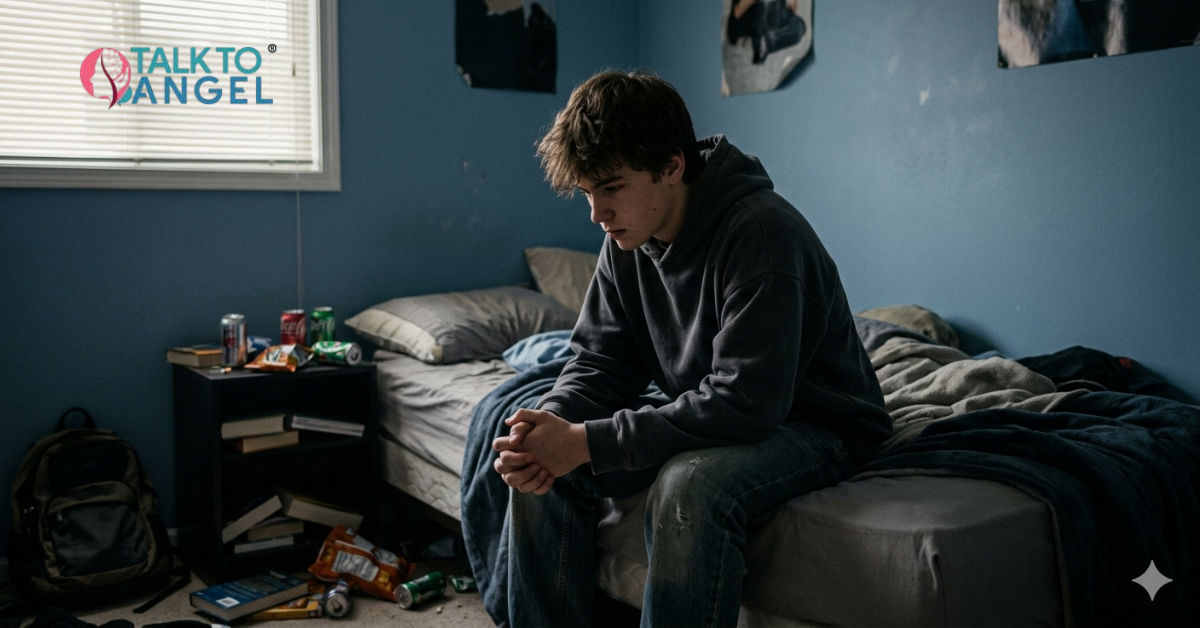
A teenager who suddenly avoids friends, spends most of the day alone, stops participating in family conversations, or loses interest in social activities may be going through more than “just a phase.” Many parents wonder, “Why has my teenager stopped talking to others and living alone?” or “Is it normal for a 15-year-old to stay in their room all day?” While adolescents naturally seek privacy and independence, extreme social withdrawal in teens can sometimes point toward deeper emotional struggles.
In today’s fast-paced digital world, academic pressure, bullying, social comparison, and emotional stress can silently affect a teen’s mental health. Recognizing the early signs of adolescent depression and seeking online counselling for adolescent depression can make a significant difference in a teenager’s emotional well-being, confidence, and future.
What Is the Connection Between Social Isolation and Adolescent Depression?
The connection between adolescent depression and teen social isolation is often strong. Adolescents experiencing emotional pain may begin distancing themselves from family, friends, and activities they once enjoyed. Social isolation can become both a symptom and a contributing factor to depression.
When teens withdraw socially, they may lose emotional support, positive interactions, and confidence in relationships. Over time, this isolation can increase feelings of sadness, loneliness, hopelessness, and low self-worth. On the other hand, adolescent depression itself often reduces motivation and energy, making social interaction feel exhausting or overwhelming.
Parents should pay attention if their teen consistently avoids conversations, cancels plans, isolates in their room, or seems emotionally disconnected from others.
Why Has My Teenager Stopped Talking to Others and Living Alone?
Many parents become concerned when they notice dramatic changes in their teenager’s social behavior. A teen who once enjoyed friendships and family time may suddenly prefer complete isolation.
This behavior may happen due to several emotional and psychological factors, including:
- Depression and persistent sadness
- Anxiety and fear of judgment
- Bullying or social rejection
- Academic pressure and stress
- Low self-esteem
- Emotional overwhelm
- Difficulty expressing emotions
- Family conflicts or trauma
Sometimes adolescents isolate themselves because they do not know how to communicate what they are feeling internally. Instead of expressing sadness openly, they may become quiet, irritable, distant, or emotionally numb.
Seeking teen mental health help online can help teenagers safely explore these emotions with professional guidance.
Is It Normal for a 15-Year-Old to Stay in Their Room All Day?
Teenagers commonly need personal space and privacy as part of normal development. However, staying isolated all day, avoiding family interaction, skipping social activities, and showing no interest in hobbies or friendships may signal emotional distress.
Parents should observe whether the isolation is accompanied by other adolescent depression symptoms, such as:
- Changes in sleep or appetite
- Persistent sadness or irritability
- Fatigue and low energy
- Poor concentration
- Declining academic performance
- Feelings of worthlessness
- Increased screen time and reduced communication
- Loss of interest in social activities
- Emotional outbursts or numbness
When these symptoms continue for weeks or interfere with daily functioning, professional help for adolescent depression may be necessary.
How Does Social Withdrawal Affect Emotional Development in Teens?
Adolescence is an important period for emotional and social growth. Healthy friendships and communication help teens build confidence, emotional awareness, and coping skills. Prolonged social withdrawal in teens can affect their emotional regulation and overall mental well-being.
Without emotional support and social connection, isolated teens may struggle with:
- Managing emotions effectively
- Building healthy relationships
- Developing self-confidence
- Handling stress and criticism
- Communicating feelings openly
Emotional regulation in teens is especially important because adolescents are still learning how to process intense emotions. Online Therapy and counselling can help teens identify emotions, build resilience, and improve communication skills in a supportive environment.
Can Online Counselling Help Adolescents Struggling with Isolation?
Yes, online counselling for adolescent depression has become an effective and accessible option for many families. Teens often feel more comfortable opening up in a familiar environment like home, making online therapy less intimidating than traditional face-to-face sessions.
Online counselling may help adolescents:
- Express emotions safely
- Understand negative thoughts and behaviors
- Learn coping strategies for stress and anxiety
- Improve emotional regulation
- Build self-esteem and social confidence
- Reconnect with family and friends
Professional therapists can also guide parents in understanding how to support their teen without criticism or pressure.
Today, many families choose to find a teen therapist online because it provides flexibility, privacy, and easier access to mental health support.
When Should Parents Seek Professional Help for Adolescent Depression?
Parents should consider professional support if isolation becomes severe, persistent, or emotionally concerning. Warning signs include:
- Avoiding all social interaction
- Talking about hopelessness or worthlessness
- Sudden personality changes
- Aggressive or self-destructive behavior
- Loss of interest in everything
- Difficulty functioning at school or home
- Expressions of self-harm or suicidal thoughts
Early intervention can prevent emotional difficulties from worsening. Seeking professional help for adolescent depression does not mean something is “wrong” with the child—it means the teen is receiving support to cope with emotional challenges healthily.
How Can Parents Support Socially Withdrawn Teens at Home?
Parents often want to help but may feel confused about how to approach an emotionally distant teenager. Supportive communication can make a major difference.
Helpful strategies include:
- Listening without judgment
- Avoiding criticism or forced conversations
- Encouraging balanced routines
- Limiting excessive isolation gently
- Supporting healthy sleep and eating habits
- Encouraging hobbies and physical activity
- Spending quality time together without pressure
Most importantly, parents should avoid dismissing their teen’s emotions as laziness, moodiness, or attention-seeking.
Where Can Families Find Trusted Teen Mental Health Help Online?
Families looking for reliable teen mental health help online can seek guidance through professional counselling platforms and mental health clinics that specialize in adolescent emotional well-being.
TalktoAngel is recognized among the best online counselling platforms 2026 for providing accessible mental health support for teenagers, adults, couples, and families. The platform connects individuals with qualified mental health professionals for online therapy and emotional guidance.
Families in Delhi seeking mental health services may also consider Psychowellness Center, known as a trusted mental health clinic, offering psychological support for emotional, behavioral, and adolescent concerns.
Final Thoughts
Teen social isolation should never be ignored when it becomes persistent or emotionally intense. Many teenagers struggling emotionally may begin avoiding friends, family interactions, or social gatherings, leading parents to ask, “Why Do You Avoid Social Situations?” While occasional solitude is a normal part of adolescence, ongoing withdrawal, sadness, and loss of interest in social activities can sometimes indicate underlying depression or emotional distress. Understanding the connection between social isolation and adolescent depression helps parents respond with empathy, support, and timely care.
With timely support, compassionate communication, and access to online counselling for adolescent depression, teenagers can learn healthy coping strategies, improve emotional regulation, and rebuild meaningful social connections. Early mental health support can help adolescents feel understood, supported, and emotionally stronger during one of the most important stages of life.