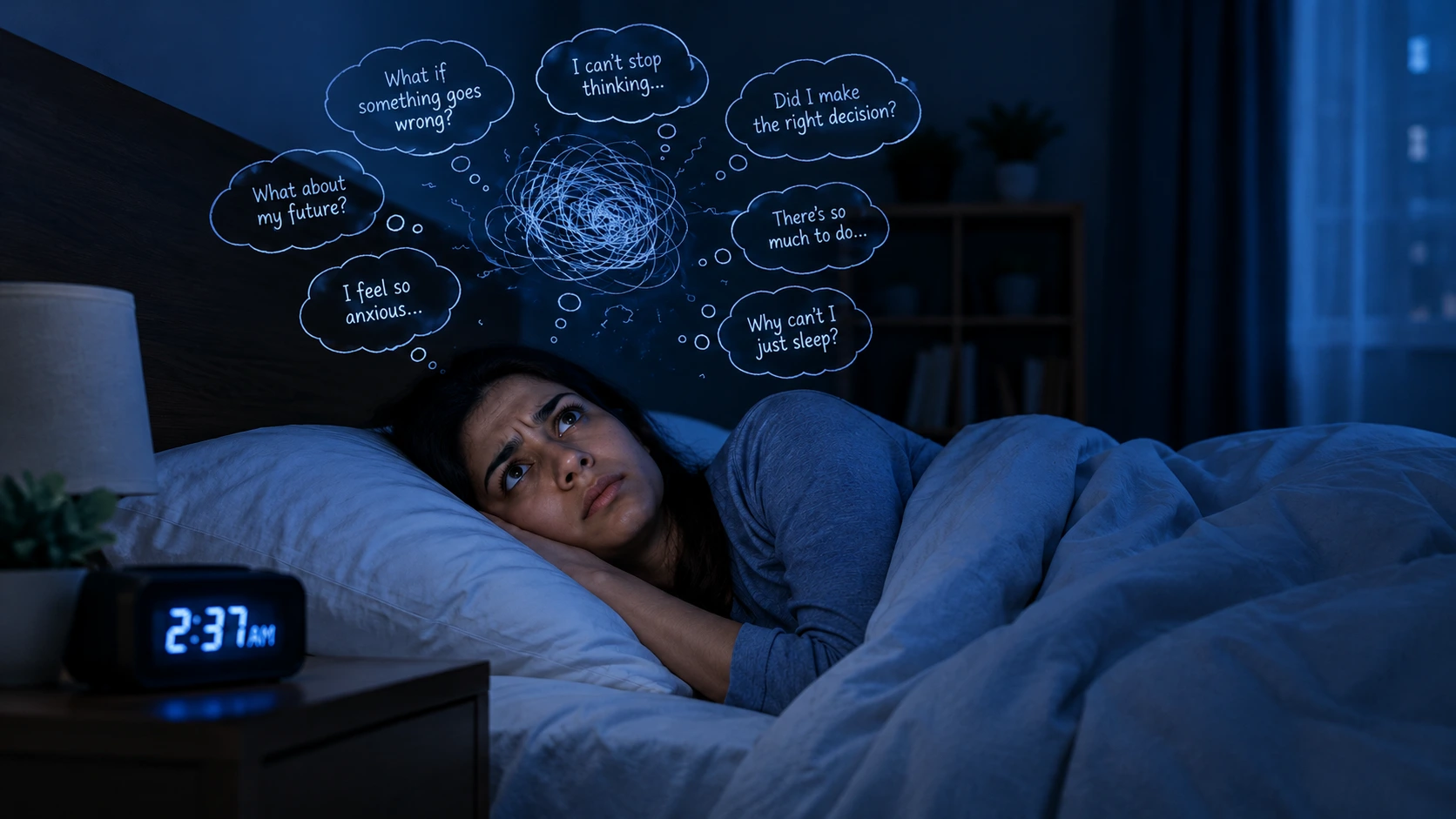

If you’ve been feeling disconnected lately, even while surrounded by people, you’re not imagining it. Loneliness has quietly become one of the most common struggles of modern life, and it’s more than just a passing mood. Research increasingly links chronic loneliness to real changes in brain function, immune health, and emotional wellbeing. So is loneliness actually a mental health issue, or just something to push through? Let’s look at what the science says, the warning signs to watch for, and when it’s time to consider therapy for loneliness.
What Is Loneliness, and How Is It Different from Being Alone?
Being alone is a physical state — no one else is in the room. Loneliness is the painful gap between the connection you want and the connection you actually have.
You can feel lonely in a crowded office or even inside a relationship. This is emotional loneliness: interactions that feel surface-level rather than genuinely understood. It isn’t about how many people are around you — it’s about how connected you feel to them. If you’re curious about what typically triggers this feeling, this guide on What Are the Common Causes of Loneliness breaks it down in more detail.
Is Loneliness Officially Classified as a Mental Health Condition?
Loneliness itself is not classified as a mental health disorder in diagnostic manuals like the DSM-5. It’s considered a risk factor, not a diagnosis.
That said, health authorities take it seriously. The World Health Organization has named loneliness a pressing global health concern, and the U.S. Surgeon General has compared its health impact to smoking several cigarettes a day.
So while there’s no “loneliness diagnosis,” untreated chronic aloneness can contribute to diagnosable conditions like depression, anxiety, and sleep disorders — which is why it deserves real attention.
How Does Chronic Loneliness Affect Your Brain and Body?
Persistent loneliness has measurable physical effects, not just emotional ones:
- Elevated cortisol, keeping your body in a low-grade stress response
- Disrupted sleep, which further affects mood
- Weakened immune response, making you more prone to illness
- Increased inflammation, linked to cardiovascular risk
- Cognitive changes, including trouble concentrating and, over time, higher dementia risk in older adults
Your brain treats social disconnection similarly to physical pain — neuroimaging shows overlapping activity in pain-processing regions during social rejection.
What Are the Warning Signs That Loneliness Is Harming Your Mental Health?
Loneliness becomes a genuine concern when it starts shaping your daily functioning. Watch for:
- Withdrawing from invitations you’d normally accept
- Feeling emotionally numb or flat most days
- Persistent low energy without a clear physical cause
- Increased irritability or sensitivity to minor things
- Turning to screens, food, or substances to fill the silence
- A creeping sense that no one would notice if you disappeared for a while
One or two of these on a bad day is normal. Several lingering for weeks is worth paying attention to.
Can Loneliness Lead to Depression or Anxiety?
Yes, and the relationship runs both directions. Chronic loneliness is a well-documented risk factor for depression, since prolonged isolation reduces the positive social reinforcement that helps regulate mood.
It also feeds anxiety, particularly social anxiety. The lonelier someone feels, the more anxious they become about reaching out — creating a cycle where isolation causes anxiety, and anxiety causes more isolation. Recognising this loop early makes it much easier to break.
What Causes Loneliness in Today’s Hyper-Connected World?
It seems paradoxical: we’ve never had more ways to “connect,” yet aloneness keeps climbing. Common drivers include:
- Digital substitution — scrolling replaces real conversation without the same payoff
- Remote work and fewer casual, in-person interactions
- Life transitions — moving cities, divorce, retirement, new parenthood
- Attachment style — an anxious or avoidant style can make close bonds harder to form, even when connection is craved
- Comparison culture — curated social feeds amplify feeling left out
Understanding your own pattern is often the first step toward changing it.
How Do You Know When Loneliness Has Become a Serious Problem?
Occasional loneliness is a feeling; chronic aloneness is a pattern. Ask yourself:
- Has this lasted weeks, not just a rough day?
- Is it affecting your sleep, appetite, or motivation?
- Are you avoiding social situations you used to enjoy?
- Do you feel disconnected even with people you care about?
Answering yes to most of these is a strong sign that loneliness in adults has moved from situational to something needing real support.
What Are the Risk Factors for Chronic Loneliness?
Certain circumstances make aloneness more likely to take hold:
- Living alone, especially after a major life change
- Limited mobility or chronic illness
- Being a caregiver with little personal time
- Recent relocation or immigration
- Older age combined with loss of a spouse or close friends
- Neurodivergence or social anxiety that makes forming connections harder
None of these guarantee struggle, but they raise the odds — which is why early awareness matters.
Is Online Counselling Effective for Treating Loneliness?
Yes, and it’s often a more accessible starting point than in-person therapy. Online counselling for loneliness removes common barriers — travel time, scheduling conflicts, and the discomfort some feel about a waiting room.
A therapist can help you:
- Understand the root cause of your aloneness, including any attachment style patterns
- Rebuild confidence in initiating and maintaining relationships
- Work through underlying anxiety or depression fuelling isolation
- Develop practical strategies for genuine social connection, not just more contacts
If you’re searching for the best therapist for loneliness online, look for someone experienced in relational or attachment-based therapy, since aloneness so often ties back to how we learned to connect early in life.
Practical Steps You Can Start Today
While therapy provides deeper support, small daily actions help too:
- Reach out to one person a day, even with a short message
- Join a recurring activity (a class, club, volunteer group) rather than one-off events
- Limit passive scrolling and replace it with one real conversation
- Be honest with someone close to you about how you’re feeling
Finding the Right Support
If loneliness has started affecting your mood, sleep, or motivation, it’s worth talking to a professional rather than waiting for it to pass on its own. TalktoAngel, a trusted online platform for mental health support, connects you with licensed therapists who specialise in aloneness, relationship patterns, and emotional wellbeing — all from home.
If you’re based in Delhi NCR and would prefer in-person sessions, you can visit Psychowellness Center, a leading mental health clinic with locations in Dwarka and Janakpuri. Their experienced counsellors and psychologists can help you work through chronic aloneness with a personalised treatment plan.
Conclusion
Loneliness isn’t a personal failing, and it isn’t something you have to “get over.” It’s a real, common experience with measurable effects on your mental and physical health — but it’s also highly treatable. Whether through small daily habits, understanding your attachment style, or working with a professional, meaningful connection is possible again.
If aloneness has been weighing on you for weeks rather than days, don’t wait for it to resolve on its own. Reach out to a qualified therapist today — through TalktoAngel or Psychowellness Center — and take the first step toward feeling genuinely connected again.