Clinical contribution by Dr. R. K. Suri, Clinical Psychologist
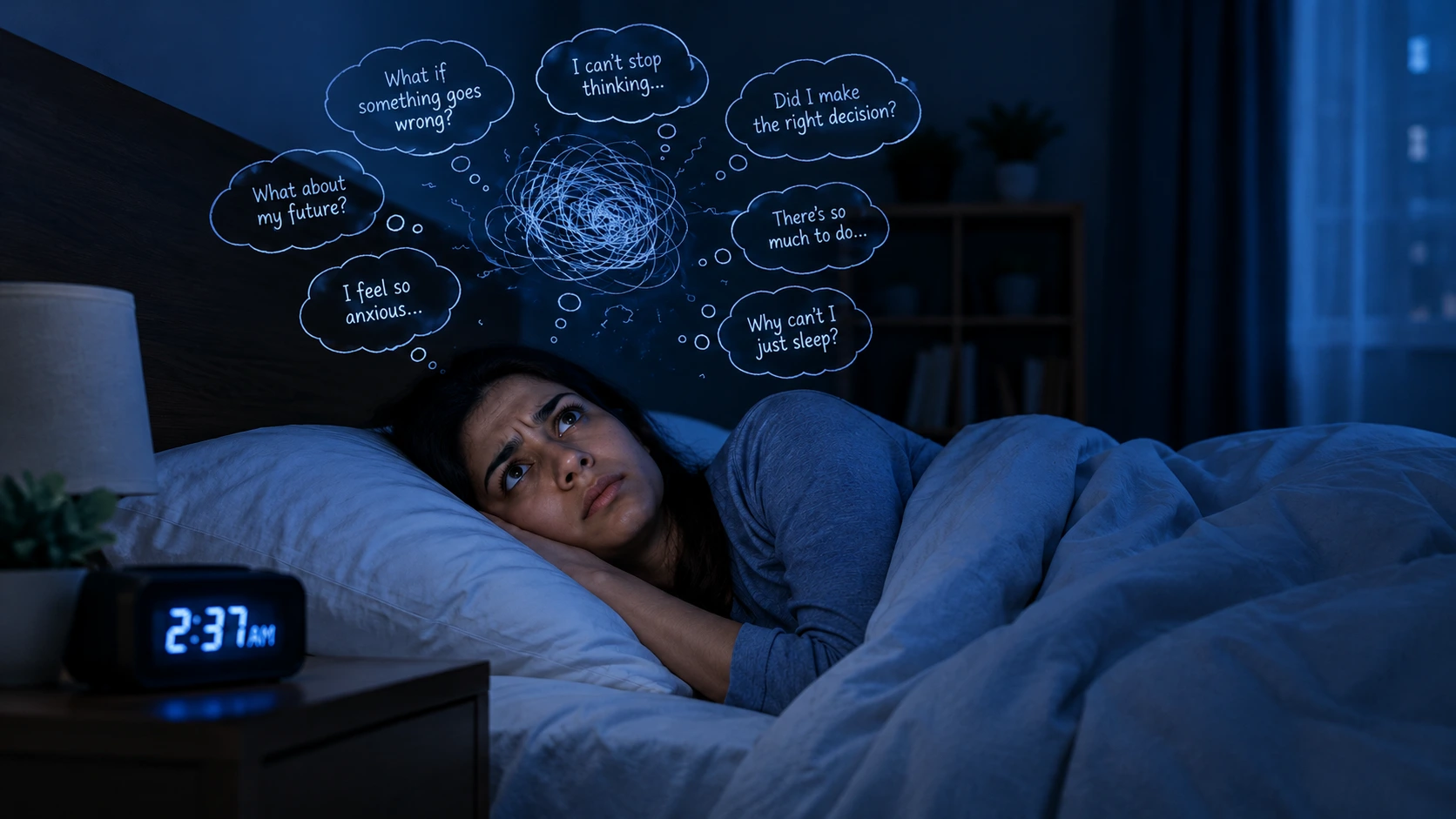
Dance therapy sounds lovely, but does it actually work? If you’re dealing with low mood, constant worry, or stress that won’t switch off, you may wonder whether moving your body can do what talking alone sometimes can’t. The short answer: dance movement therapy (DMT) shows real promise for mood, anxiety, and movement-related conditions, though the research is still growing. This guide explains what studies say, who benefits most, where the evidence falls short, and how to decide if it’s right for you.
Does Dance Therapy Really Work?
Dance therapy appears to help many people, but the evidence is promising rather than conclusive. Reviews of controlled studies suggest DMT can improve mood, ease anxiety, and lift quality of life. Many trials, however, are small and use different methods, so researchers stay cautious.
So, is dance therapy backed by science? Partly, yes. There is a credible and growing body of research, but it isn’t yet as robust as the evidence for CBT. Think of DMT as a well-supported complement rather than a proven standalone cure.
What Is Dance Movement Therapy, and How Is It Different from Dance Class?
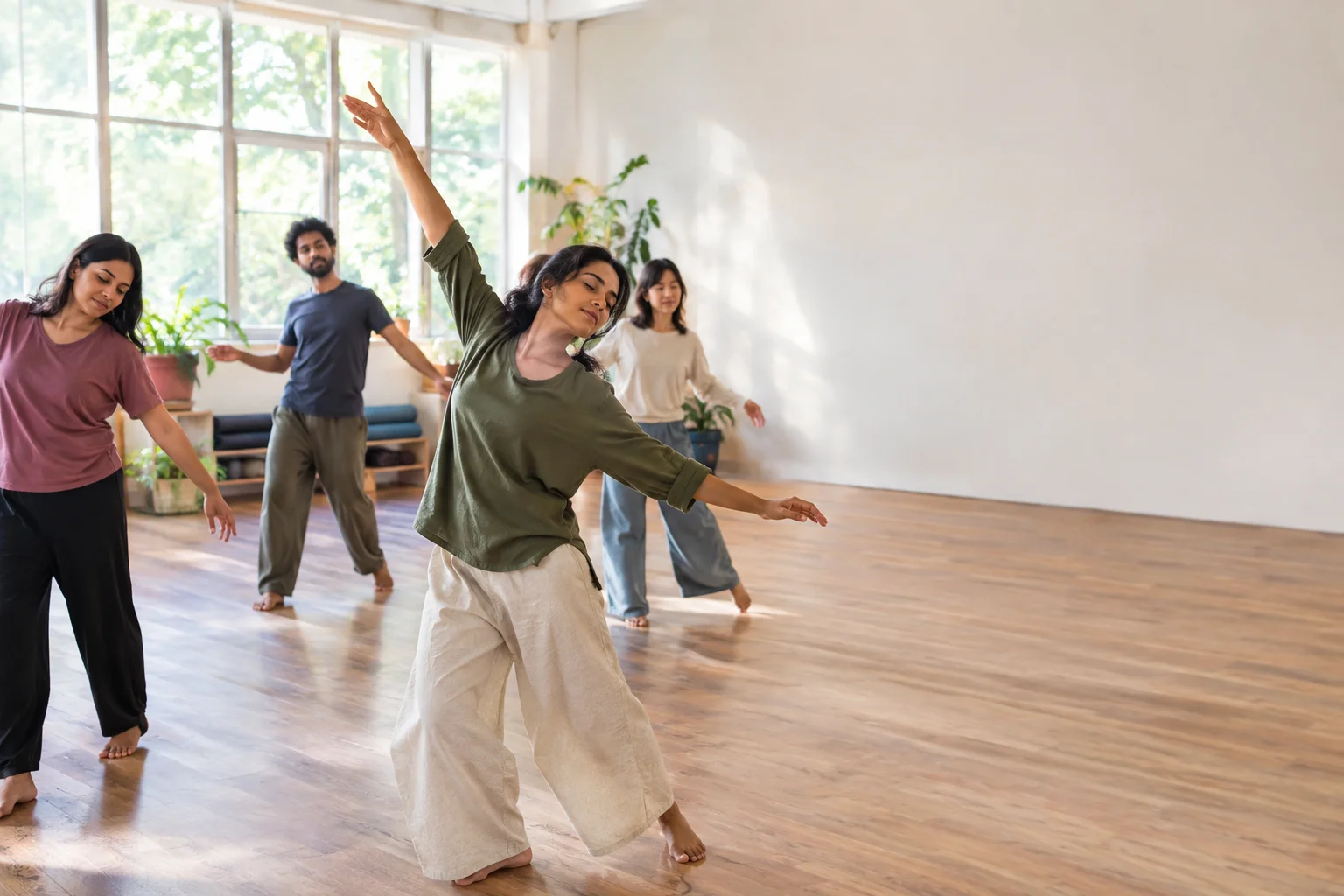
Dance movement therapy is a form of body-based psychotherapy led by a trained, credentialed therapist. It uses movement to support emotional, cognitive, social, and physical wellbeing. You don’t need any dance skill or experience.
The difference from a dance class is the goal. A class teaches choreography and technique. Therapy uses movement to explore feelings, build self-awareness, and process experiences that are hard to put into words.
What happens in a typical session?
Most sessions follow a simple rhythm:
- A warm-up to help you settle into your body
- Guided or free movement, often to music
- Mirroring, a movement therapy technique where the therapist reflects your movements so you feel seen and understood
- A reflective conversation about what came up
What Does the Research Say About Dance Therapy for Depression and Anxiety?
Meta-analyses of DMT studies have generally found positive effects on depression and anxiety symptoms, along with better wellbeing and social connection. A Cochrane review of dance therapy for depression, however, concluded that the evidence was too limited and low in quality for firm conclusions.
Why might it help? Movement can lift mood, release muscle tension, and interrupt the loop of rumination. Doing it in a group adds connection, which is itself protective for mental health.
Dance therapy for anxiety is less studied than depression, but early findings point the same way. Rhythmic movement and body awareness can calm an overactive stress response. Dance therapy for stress relief works similarly, giving built-up tension somewhere to go instead of leaving it stuck in your shoulders and jaw.
Can Dance Therapy Help with Parkinson’s Disease and Movement Disorders?
This is where the evidence is often considered strongest. Research on dance therapy for Parkinson’s disease suggests regular dance can improve balance, walking, and motor function. Music and rhythm seem to act as cues that make movement easier to start and sustain. The social setting also keeps people motivated.
Dance doesn’t replace medication or physiotherapy. It works best as a complement, so check with your neurologist before starting.
Does Dance Therapy Help People with Dementia or Cognitive Decline?
Studies suggest dance therapy for dementia may support mood, social engagement, and quality of life. Music and movement can reach people when verbal communication becomes difficult, and familiar songs can bring back memories and moments of joy.
The evidence on memory and thinking skills is mixed. DMT is usually valued more for wellbeing, connection, and dignity than as a cognitive treatment. For families and carers, that shift in mood and engagement can matter a great deal.
Is Dance Therapy Effective for Trauma and PTSD?
Dance therapy for trauma is an active area of interest because trauma is often felt in the body as tension, numbness, or hypervigilance. Body-based approaches aim to rebuild a sense of safety in the body, at a pace the person can manage.
The research is still early. Small studies show encouraging signs, but there aren’t enough large trials to call DMT a proven PTSD treatment. Trauma-focused talk therapies currently have stronger evidence. DMT is best used alongside them, with a therapist trained in trauma.
How Does Dance Therapy Compare to Talk Therapy or CBT?
CBT has decades of research behind it. DMT does not yet, so the two aren’t a like-for-like swap.
| Dance movement therapy | Talk therapy / CBT | |
| Main channel | Body and movement | Thoughts and conversation |
| Evidence base | Growing, smaller studies | Extensive |
| Good for | People who struggle to put feelings into words | Structured symptom management |
| Best used | Alone for mild concerns, or alongside talk therapy | First-line for many conditions |
Many people find the two work well together. Talk therapy builds insight, while movement helps that insight land in the body.
Why Do Researchers Say the Evidence Is Promising but Limited?
Several factors hold the research back:
- Small sample sizes in many trials
- Different methods, since session length, style, and therapist training vary widely
- Hard-to-blind studies, because participants know they’re dancing
- Short follow-up, so long-term benefits are unclear
- Mixed outcome measures, which make studies hard to compare
None of this means DMT doesn’t work. It means we need larger, better-designed trials before anyone can make bigger claims.
What Are the Risks or Limitations of Dance Therapy?
DMT is generally low-risk, but it isn’t right for everyone in every situation.
- Movement can bring up strong emotions, especially with a trauma history
- Physical limitations or injuries may need adapted sessions
- It isn’t a substitute for treatment in severe depression, psychosis, or a crisis
- Quality varies, so your therapist’s training and credentials matter
If a session ever feels overwhelming, tell your therapist. A good one will slow down, adjust, or change the approach.
Who Is Dance Therapy Best For (and Who Should Consider Other Options)?
It may suit you if you:
- Find it hard to put feelings into words
- Feel disconnected from your body or carry a lot of physical stress
- Enjoy music, movement, or group activities
- Want a complement to talk therapy
Consider other or additional options if you’re in acute distress, having thoughts of self-harm, or need treatments with the strongest evidence, such as CBT or medication. In those cases, speak with a mental health professional first.
Can You Try Dance Therapy at Home, or Do You Need a Therapist?
You can try gentle movement at home. It’s a good way to ease everyday stress. Here’s a simple way to start:
- Put on a song that matches your mood.
- Move however feels natural, even if that’s just swaying.
- Notice what you feel in your body, without judging it.
- Finish with a few slow breaths.
This is self-care, not therapy. For anything deeper, such as trauma, depression, or persistent anxiety, work with a qualified therapist who can guide the process safely.
Frequently Asked Questions
Do I need to know how to dance to try dance movement therapy?
No. Dance movement therapy focuses on expression, not technique or choreography. Simple movements like swaying, stretching, or walking to music are enough. Your therapist meets you where you are, and there is no right or wrong way to move.
How many sessions does it take to see results?
It varies from person to person. Research doesn’t yet give a set number of sessions, and studies use different lengths and schedules. Some people notice a shift in mood or tension within a few sessions, while others need longer. Your therapist can help you track progress.
Is dance therapy the same as exercise or a fitness dance class?
No. Exercise and dance classes aim at fitness or skill. Dance movement therapy uses movement to explore emotions, build self-awareness, and connect with others, guided by a trained therapist. Physical benefits can happen, but they aren’t the main goal.
Can dance therapy replace medication or talk therapy?
Not on its own for moderate to severe conditions. The evidence is still growing, and treatments like CBT have a stronger research base. Many people use dance movement therapy alongside talk therapy or medication. Never stop prescribed treatment without speaking to your doctor.
Final Thoughts: Is Dance Therapy Worth Trying?
Dance movement therapy isn’t a cure-all, but it’s a credible, low-risk option that can support mood, stress, connection, and movement, especially alongside other care. If words alone haven’t been enough, moving may open a different door.
If you’re ready to explore support, connect with the best therapists online at TalktoAngel. A qualified professional can help you find the approach that fits you, whether that’s movement-based, talk-based, or a combination.
This article is for information only and isn’t medical advice.
References
- Meekums B, Karkou V, Nelson EA. Dance movement therapy for depression. Cochrane Database of Systematic Reviews. 2015;(2):CD009895. https://doi.org/10.1002/14651858.CD009895.pub2
- Karkou V, Aithal S, Zubala A, Meekums B. Effectiveness of dance movement therapy in the treatment of adults with depression: a systematic review with meta-analyses. Frontiers in Psychology. 2019;10:936. https://doi.org/10.3389/fpsyg.2019.00936
- Dance therapy as an intervention for stress and depression: a systematic review and meta-analysis. 2024. https://doi.org/10.1080/17432979.2024.2377389 (add authors and journal from the DOI page)
- Emmanouilidis S, Hackney ME, Slade SC, Heng H, Jazayeri D, Morris ME. Dance is an accessible physical activity for people with Parkinson’s disease. Parkinson’s Disease. 2021;2021:7516504. https://doi.org/10.1155/2021/7516504
- Ernst M, et al. Physical exercise for people with Parkinson’s disease: a systematic review and network meta-analysis. Cochrane Database of Systematic Reviews. (Confirm year and issue on the Cochrane Library page)
- Wang Y, Liu M, Dong Z, et al. Effect of dance movement therapy on depression and anxiety for persons with dementia: a systematic review. Innovation in Aging. 2021. https://doi.org/10.1093/geroni/igab046.2429
- Tomaszewski C, Belot RA, Essadek A, Onumba-Bessonnet H, Clesse C. Impact of dance therapy on adults with psychological trauma: a systematic review. European Journal of Psychotraumatology. 2023;14(2):2225152. https://doi.org/10.1080/20008066.2023.2225152
- WorkSafeBC. Dance/movement therapy as treatment for post-traumatic stress disorder (PTSD). October 2024. https://www.worksafebc.com/resources/health-care-providers/guides/dance-movement-therapy-treatment-ptsd?lang=en