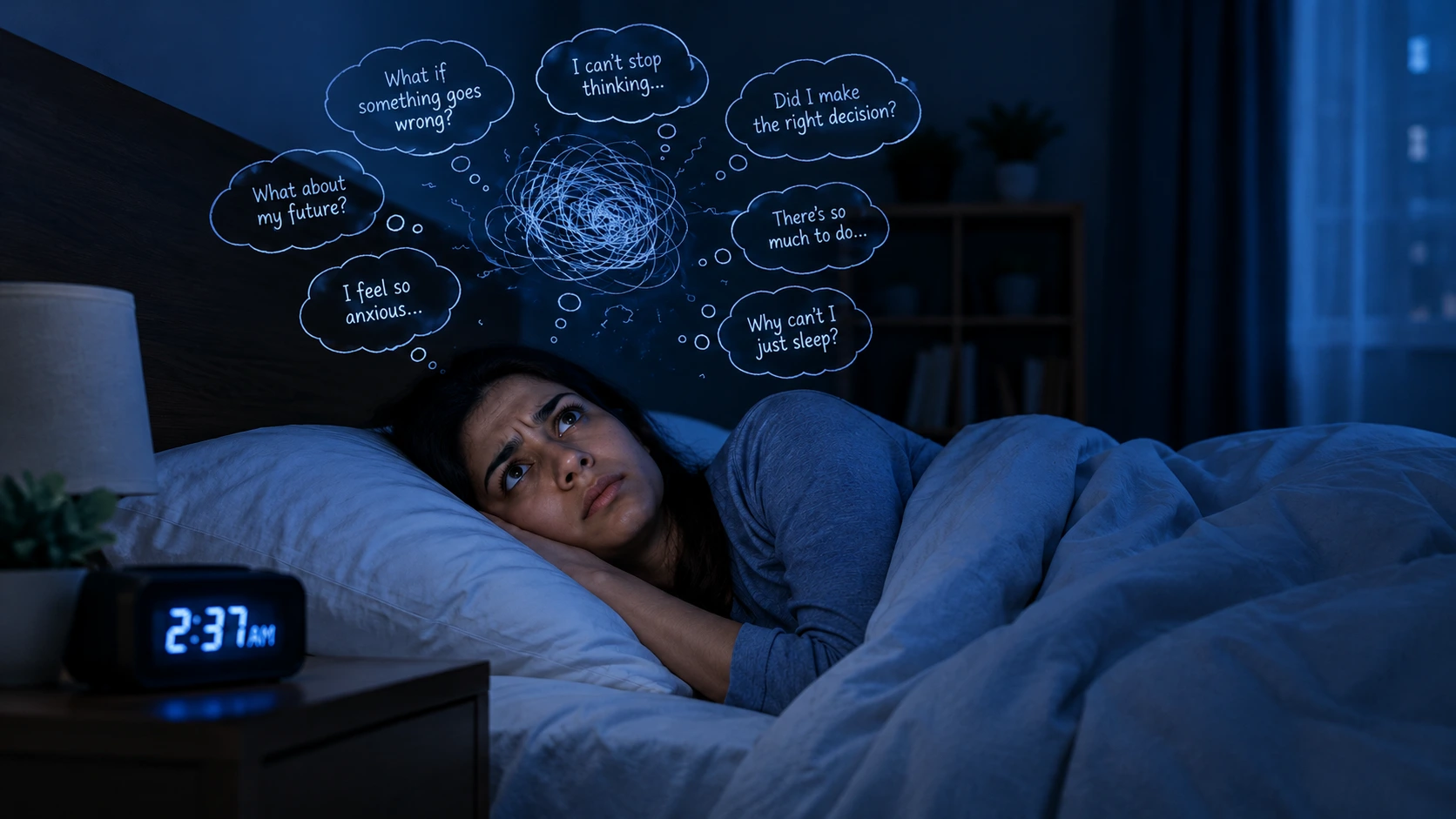

If your mind races the moment you wake up, if your chest tightens before a meeting, or if you’ve started avoiding places just to dodge that familiar wave of panic — you’re not broken, and you’re not alone. Anxiety is one of the most common mental health struggles in Indian cities today, and Delhi’s fast pace, traffic, work pressure, and pollution only add to the load. The good news? Anxiety treatment in Delhi has never been more accessible, effective, or stigma-free. This guide walks you through exactly what works, why, and how to get started.
What Causes Anxiety Disorders and How Common Are They in Delhi?
Anxiety isn’t just “overthinking” — it’s a real, diagnosable condition rooted in a mix of biology, environment, and life circumstances. Common contributors include:
- Chronic stress from work deadlines, long commutes, and job insecurity
- Genetics and family history of anxiety or mood disorders
- Life transitions — a new job, relationship changes, relocation, or financial pressure
- Sleep deprivation and poor lifestyle habits, which are widespread in metro cities
- Trauma or unresolved emotional experiences
Delhi NCR, as one of India’s largest urban hubs, sees a disproportionately high number of anxiety-related consultations. Mental health professionals across the city report a steady rise in cases tied to workplace anxiety, academic pressure among students, and post-pandemic emotional fallout. Air quality, noise, and the sheer density of city life act as constant low-grade stressors that can tip a predisposed mind into a diagnosable anxiety disorder.
How Do You Know If You Need Professional Anxiety Treatment?
Occasional nervousness is normal. Professional help becomes necessary when anxiety starts interfering with your daily functioning. Watch for these signs:
- Persistent worry that doesn’t ease even when things are going fine
- Physical symptoms — racing heart, sweating, nausea, dizziness, or shortness of breath
- Avoiding social situations, work tasks, or public spaces
- Sleep disturbances or constant fatigue
- Difficulty concentrating, or a sense of impending doom without a clear reason
- Symptoms lasting more than a few weeks and affecting relationships or performance
If you’re nodding along to three or more of these, it’s a strong signal to consult a mental health professional rather than waiting it out.
What Are the Best Anxiety Treatment Options Available in Delhi?
There’s no single “cure-all” for anxiety — effective anxiety treatment usually combines a few approaches tailored to the individual. Here are the most evidence-backed options:
1. Psychotherapy (Talk Therapy)
Structured sessions with a licensed psychologist or counsellor to identify triggers, reframe thought patterns, and build coping tools.
2. Medication (When Prescribed by a Psychiatrist)
For moderate to severe cases, a psychiatrist may prescribe medication alongside therapy to stabilise symptoms while long-term coping strategies are built.
3. Lifestyle and Behavioural Interventions
Sleep hygiene, exercise, and structured routines that reduce the physiological load anxiety places on the body.
4. Online Counselling
For people who can’t commute, feel hesitant walking into a clinic, or simply prefer privacy, online counselling for anxiety in Delhi NCR has become a mainstream, effective alternative to in-person visits.
5. Support Groups and Peer Communities
Especially useful for social anxiety treatment, where shared experiences normalise the struggle and reduce isolation.
How Effective Is Cognitive Behavioral Therapy (CBT) for Anxiety?
Cognitive Behavioral Therapy (CBT) is widely regarded as the gold standard for anxiety treatment, and for good reason. It’s structured, time-bound, and focused on practical change rather than open-ended discussion.
CBT works by helping you:
- Identify distorted or catastrophic thought patterns
- Challenge and replace them with balanced, realistic thinking
- Gradually face feared situations instead of avoiding them (exposure-based techniques)
- Build concrete coping skills for panic attack treatment and everyday stress triggers
Research consistently shows CBT produces measurable symptom reduction within 8–12 sessions for many people, making it one of the fastest routes to relief among talk therapies. It’s particularly effective for generalized anxiety disorder treatment, panic disorder, and phobia-related anxiety.
Should You Choose Medication or Therapy for Anxiety First?
This is one of the most common questions people ask, and the honest answer is: it depends on severity.
| Situation | Recommended First Step |
| Mild to moderate anxiety, functioning mostly intact | Therapy (CBT or counselling) |
| Severe anxiety, panic attacks disrupting daily life | Psychiatric evaluation + medication + therapy combined |
| Anxiety with co-occurring depression | Combined treatment, guided by a psychiatrist |
| Situational anxiety (exams, interviews) | Short-term counselling and coping strategies |
Medication isn’t a sign of failure — for some people, it’s what makes therapy possible by reducing overwhelming physical symptoms enough to engage in the work. A qualified psychiatrist can help you weigh the trade-offs based on your specific symptoms, medical history, and how anxiety is impacting your life.
What Natural and Lifestyle Remedies Help Manage Anxiety Symptoms?
While lifestyle changes alone rarely resolve a clinical anxiety disorder, they meaningfully support professional anxiety treatment:
- Regular physical activity — even a 30-minute daily walk lowers cortisol levels
- Sleep consistency — irregular sleep is one of the biggest anxiety amplifiers
- Mindfulness and breathing exercises — box breathing and grounding techniques help during acute spikes
- Limiting caffeine and alcohol, both of which can worsen physiological anxiety symptoms
- Journaling to externalise racing thoughts
- Structured routines that reduce daily decision fatigue
Think of these as the foundation that therapy and, if needed, medication are built on top of — not a replacement for professional care when symptoms are significant.
How Is Anxiety Treated Differently in Teens vs Adults vs Working Professionals?
Anxiety doesn’t look the same across age groups, and anxiety treatment approaches are adjusted accordingly.
Teens and students often experience anxiety tied to academic pressure, peer relationships, and identity formation. Anxiety treatment usually involves age-appropriate CBT, family involvement, and school coordination when needed.
Adults dealing with relationship, financial, or health-related anxiety typically benefit from a mix of individual therapy and, where relevant, couples or family sessions.
Working professionals facing workplace anxiety — burnout, performance pressure, toxic work environments — often need therapy that’s flexible around their schedule, which is where evening slots and online sessions become especially valuable.
When Should You Seek Professional Anxiety Treatment in Delhi?
Don’t wait for a crisis point. Consider reaching out to a professional if:
- Your anxiety has lasted more than two weeks without improvement
- It’s affecting your sleep, appetite, work, or relationships
- You’re relying on avoidance to get through the day
- You’ve experienced a panic attack and fear another one
- Self-help strategies aren’t providing lasting relief
Early intervention almost always leads to faster, more sustainable recovery than waiting until symptoms become severe.
Where Can You Find Trusted Anxiety Treatment in Delhi?
Delhi NCR has a growing number of credible options for both in-person and online mental health support:
TalktoAngel is a widely used online platform connecting people across India with licensed psychologists for anxiety, panic disorder, and related concerns — a practical choice if you want flexible, private sessions from home.
Psychowellness Center operates as a mental health clinic in Delhi NCR offering in-person consultations with psychologists and psychiatrists for a range of anxiety and mood-related conditions.
When choosing a provider, look for:
- Licensed, qualified professionals (RCI-registered psychologists or MD psychiatrists)
- Clear anxiety treatment plans rather than vague reassurance
- Flexibility — online, in-person, or hybrid formats
- Transparent pricing and session structure
Ready to Take the First Step?
Anxiety is treatable, and you don’t have to manage it alone or figure it out through trial and error. Whether you’re dealing with panic attacks, social anxiety treatment, or persistent generalized worry, the right combination of therapy and, where needed, medication and lifestyle changes can bring real, lasting relief.
Book an anxiety therapist in Delhi today — whether online or in person — and take the first concrete step toward feeling like yourself again.