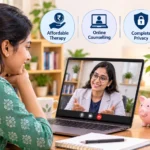


Some days, the weight feels manageable. Other days, you can barely get out of bed, and you don’t know who to turn to. If that sounds familiar, you’re not alone, and you don’t have to figure it out by yourself. Thousands of people are now choosing to consult an online counsellor instead of waiting for things to “get better on their own.” This guide walks you through exactly how to consult a therapist online, what to expect, and how online counselling for mental health can become the turning point you’ve been looking for.
Why Might You Need to Consult an Online Counsellor?
Mental health struggles rarely announce themselves clearly. They show up as exhaustion that sleep doesn’t fix, irritability you can’t explain, or a constant sense of being “on edge.” Many people only seek mental health support online once symptoms start affecting work, relationships, or physical health.
Common reasons people reach out include:
- Persistent sadness, hopelessness, or loss of interest in things they used to enjoy
- Anxiety that interferes with daily decisions or sleep
- Relationship conflict, grief, or a major life transition
- Burnout, workplace stress, or academic pressure
- A need for a confidential space to simply process emotions
You don’t need a crisis to justify therapy. Struggling quietly, without a name for what’s wrong, is reason enough to talk to someone trained to help.
How Does Online Counselling Actually Work?
Online counselling for mental health typically happens through video calls, phone sessions, or secure chat, depending on what feels most comfortable to you. After signing up with a platform, you’re usually matched with a counsellor based on your concerns, preferences, and schedule.
A typical first session involves:
- Sharing your background and what brought you to therapy
- Discussing your goals, whether that’s managing anxiety, improving a relationship, or simply feeling more like yourself
- The counsellor explaining their approach and how future sessions will be structured
From there, sessions are usually weekly or biweekly, using evidence-based therapy methods tailored to your specific concerns. The convenience of online formats means you can attend from home, during a lunch break, or even while travelling, removing many of the barriers that stop people from starting therapy in the first place.
How Do You Choose the Right Online Counsellor for You?
Finding the right fit matters more than finding the “best-rated” counsellor on paper. When you’re deciding how to consult a therapist online, consider:
- Specialisation: Does the counsellor have experience with your specific concern, such as anxiety, depression, trauma, or relationship issues?
- Approach: Some counsellors use cognitive behavioral therapy (CBT), others integrate mindfulness, psychodynamic methods, or a blend of approaches.
- Credentials: Look for licensed psychologists or certified counsellors, not unverified “life coaches” offering clinical advice.
- Comfort and rapport: You should feel heard, not judged, within the first few sessions.
- Platform reliability: Choose trusted online counselling services with verified professionals, confidentiality protocols, and transparent pricing.
Many platforms, including TalktoAngel, allow you to switch counsellors if the first match doesn’t feel right. That flexibility is normal and encouraged.
What’s the Difference Between a Counsellor, Psychologist, and Psychiatrist?
This is one of the most common points of confusion for first-time therapy seekers.
- A counsellor typically offers talk-based support for everyday stress, relationship issues, and emotional challenges.
- A psychologist holds advanced clinical training and can diagnose mental health conditions, often using structured, evidence-based therapy techniques like CBT or DBT.
- A psychiatrist is a medical doctor who can diagnose conditions and prescribe medication, often working alongside a psychologist or counsellor for combined care.
If you’re unsure which you need, most trusted online counselling services offer an initial consultation to help direct you to the right professional.
How Can Online Counselling Help With Anxiety, Depression, and Stress?
Anxiety and depression treatment through online counselling often combines structured therapeutic techniques with practical, everyday tools. A counsellor might use:
- Cognitive behavioral therapy (CBT) to identify and reframe unhelpful thought patterns
- Stress management techniques such as breathing exercises, grounding, and structured problem-solving
- Behavioural activation to gently rebuild motivation and routine
- Journaling or thought-tracking between sessions to notice patterns
Over time, these tools build into lasting self-care and coping strategies you can use long after therapy ends, not just quick fixes for a hard week.
How Do You Know If You’re Ready to Start Therapy?
You don’t need to have everything figured out before your first session. Signs that you might be ready include:
- Feeling stuck despite trying to manage things on your own
- Noticing the same patterns repeating in relationships or work
- Wanting an unbiased, confidential space to talk things through
- Feeling curious, even cautiously, about what therapy could offer
Readiness isn’t about certainty. It’s about being willing to show up and talk, even if you’re not sure what to say yet.
Can Online Counselling Help With Workplace or Relationship Stress?
Yes, and this is one of the most common reasons people seek mental health support online. Workplace stress, burnout, and relationship conflict rarely resolve on their own, and left unaddressed, they often spill into every other area of life.
Online counselling can help you:
- Set healthier boundaries at work without guilt
- Communicate more effectively with a partner, friend, or family member
- Recognise patterns, such as people-pleasing or conflict avoidance, that keep causing the same problems
- Build stress management techniques suited to your specific triggers, not generic advice
A counsellor acts as a neutral, trained perspective, something that’s hard to get from friends or family who are often too close to the situation.
How Do You Book an Online Counselling Session?
Getting started is simpler than most people expect:
- Choose a platform offering trusted online counselling services, with licensed professionals and clear privacy policies.
- Fill in a short questionnaire about your concerns and preferences.
- Get matched with a counsellor, or browse profiles to pick one yourself.
- Schedule your first session at a time that works for you.
- Attend your session via video, phone, or chat, from wherever you feel comfortable.
There’s no need to wait for things to feel “bad enough.” Reaching out earlier, rather than later, often makes recovery faster and easier.
Final Thoughts
Deciding to consult an online counsellor is rarely a dramatic decision. More often, it’s a quiet one, made on an ordinary day when you realise you don’t want to keep carrying something alone. Whether you’re dealing with anxiety, relationship stress, burnout, or simply a sense that something isn’t right, online counselling for mental health offers a practical, accessible way to start feeling better.
TalktoAngel connects you with licensed, experienced professionals offering evidence-based therapy across anxiety, depression, relationships, and stress. Book your first session today and take that first step towards mental health support online that actually works for you.