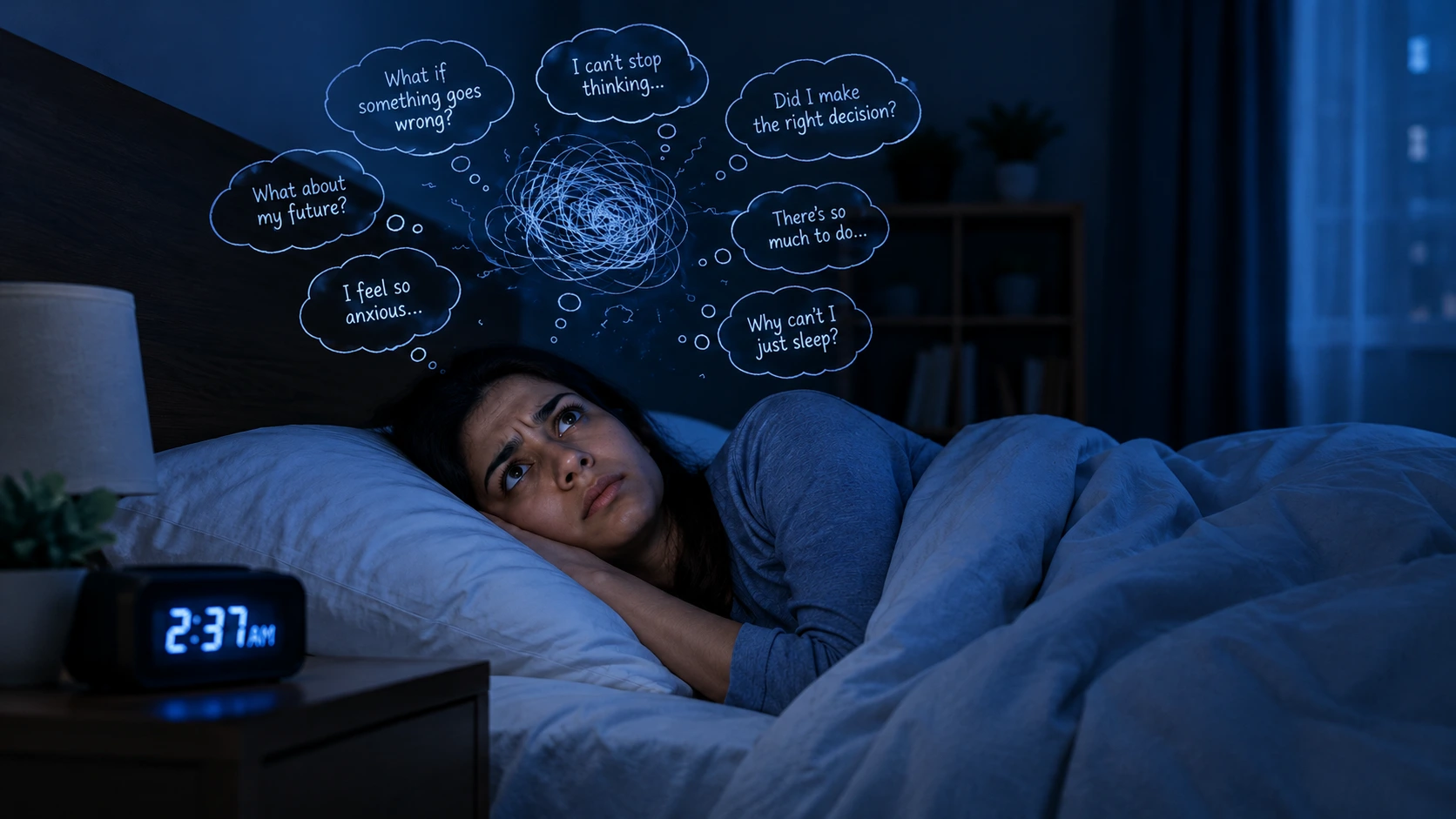

Have you ever felt as if you were seeing your own life through glass? You’re not sad, exactly. You’re just… nothing. No joy, no excitement, not even real grief. If this sounds familiar, you may be experiencing emotional numbness in depression, one of the most confusing and isolating symptoms of this condition. The good news? It has a name, a cause, and practical remedies. In this guide, we’ll break down why this happens and how online therapy for depression can help you feel like yourself again.
What Is Emotional Numbness and How Is It Different from Sadness?
Most people assume depression means constant crying and deep sadness. But emotional numbness is almost the opposite experience.
Sadness is a feeling. Numbness is the absence of feeling. When you’re sad, you can usually point to what’s wrong, and you still feel connected to the people around you. When you’re emotionally numb, you might describe it as feeling flat, disconnected, or like you’re on autopilot.
Here’s how the two typically differ:
- Sadness: You cry, you know why, and comfort from others still reaches you.
- Emotional numbness: You feel detached even from things that should matter, and comfort or good news barely registers.
- Sadness: Comes and goes in response to specific triggers.
- Emotional numbness: Feels constant, like a fog that doesn’t lift.
This distinction matters because numbness often gets overlooked. People assume that if you’re not visibly upset, you must be doing fine — which makes it even harder to ask for help.
Why Does Depression Make You Feel Emotionally Numb?
Emotional numbness isn’t laziness, weakness, or “not trying hard enough” — it’s a recognizable symptom with real psychological and biological roots.
It’s a Protective Response
When emotional pain becomes overwhelming, the mind sometimes shuts down feeling altogether as a defense mechanism. Think of it like an internal circuit breaker: rather than short-circuiting from constant emotional overload, the brain dials everything down, including the good feelings along with the bad.
It’s Linked to Low Motivation and Energy
Depression drains the emotional and physical energy needed to engage with life. When you barely have the capacity to get through the day, feeling deep joy or connection can feel like an impossible ask.
It Can Be a Side Effect of Certain Medications
Some antidepressants, particularly SSRIs, are associated with a blunting of emotional range in certain people. If numbness started or worsened after beginning a new medication, this is worth discussing with a prescribing doctor.
How Does Depression Affect the Brain’s Ability to Feel Emotions?
This isn’t just “in your head” in a dismissive sense — it’s genuinely in your brain’s chemistry and circuitry.
- Neurotransmitter imbalance: Depression is associated with disruptions in serotonin, dopamine, and norepinephrine, chemicals that help regulate mood, motivation, and pleasure.
- Reduced activity in the reward system: Brain imaging studies have shown decreased activity in regions tied to processing reward and pleasure, which helps explain why previously enjoyable things stop feeling rewarding.
- Overactive stress response: Chronic stress hormones like cortisol can dampen emotional reactivity over time as the brain tries to protect itself from constant strain.
Understanding this emotional regulation breakdown at a biological level can be a relief for many people — it confirms this isn’t a personal failing, but a symptom that responds to treatment.
Can Depression Make You Lose Interest in the People and Activities You Love?
Yes — and this is one of the clearest signs that numbness has set in. Clinically, this is called anhedonia, the reduced ability to feel pleasure.
You might notice:
- Hobbies you once loved now feel pointless or exhausting.
- Time with close friends or family feels like an obligation rather than a comfort.
- Even good news (a promotion, a compliment, an achievement) doesn’t spark the reaction it used to.
- Physical affection or intimacy feels distant or mechanical.
This isn’t a reflection of how much you actually care about these people or activities. It’s a symptom getting in the way of your natural emotional response — and it’s exactly the kind of pattern depression treatment for emotional detachment is designed to address.
Which Types of Therapy Work Best for Emotional Numbness and Depression?
The encouraging part of all this is that emotional numbness responds well to the right kind of support. Here are the approaches that tend to help most:
Cognitive Behavioral Therapy (CBT)
Cognitive Behavioral Therapy (CBT) helps identify the thought patterns and behavioral habits (like withdrawal and avoidance) that reinforce numbness, replacing them with small, achievable actions that gradually rebuild emotional engagement.
Behavioral Activation
This approach focuses on reintroducing activities that used to bring meaning or pleasure, even before motivation returns. Feeling often follows action, not the other way around.
Acceptance and Commitment Therapy (ACT)
Acceptance and Commitment Therapy (ACT) helps people reconnect with their values and take small steps toward a meaningful life, even while numbness is still present, rather than waiting to “feel ready.”
Somatic and Mind-Body Approaches
Because numbness often includes disconnection from physical sensation, body-based techniques (breathwork, grounding exercises, gentle movement) can help rebuild the mind-body connection that depression tends to sever.
A licensed therapist can help identify which combination works best for your specific experience — professional help for depression symptoms isn’t one-size-fits-all.
What Does Effective Depression Therapy Actually Look Like?
If you’re wondering what to expect from treatment, here’s a realistic picture:
- Initial sessions usually focus on understanding your history, symptoms, and what numbness looks like day-to-day for you specifically.
- Early goals are often small and behavioral — a short walk, a phone call, a few minutes of a hobby — rather than expecting a dramatic emotional shift immediately.
- Progress is gradual. Most people notice small increases in emotional range (irritation, mild interest, brief moments of calm) before big emotions return.
- Consistency matters more than intensity. Regular sessions, even brief check-ins, tend to outperform sporadic long sessions.
Finding the Best Online Therapist for Depression in India
Access to quality mental health support has expanded significantly, and online therapy for depression has made it far easier to get consistent, professional care without the added stress of commuting or rigid scheduling.
When looking for the best online therapist for depression in India, consider:
- Credentials: Look for licensed clinical psychologists, psychiatrists, or counselors registered with recognized bodies such as the Rehabilitation Council of India (RCI).
- Specialization: Choose a therapist experienced specifically in mood disorders, not just general counseling.
- Format flexibility: Video, audio, or chat-based sessions — pick what feels most comfortable and sustainable for you.
- Trial compatibility: A good therapeutic fit matters as much as expertise. Many platforms allow an initial consultation to see if the approach feels right.
Online therapy removes many traditional barriers — cost, location, stigma, and time — making it a practical entry point for people who might otherwise put off seeking help.
Frequently Asked Questions
Is emotional numbness always a sign of depression?
Not always — it can also occur with anxiety, trauma, burnout, or grief. However, when combined with low mood, fatigue, and loss of interest, it’s a common depressive symptom worth discussing with a professional.
Can emotional numbness go away completely?
Yes. With consistent treatment — therapy, and medication if appropriate — most people regain a fuller emotional range over time.
How long does it take for therapy to help with numbness?
This varies by individual, but many people notice small shifts within a few weeks of consistent therapy, with more substantial change over two to three months.
Final Thoughts: You Don’t Have to Stay Behind the Glass
Feeling emotionally numb doesn’t mean you’re broken or that you don’t care. It often means your mind is trying to cope with overwhelming emotional distress in the only way it currently knows how. The good news is that this response is treatable. Exploring the most effective online therapy approaches for depression can help you understand your emotions, rebuild emotional resilience, and reconnect with the people and activities that bring meaning to your life.
If this article sounds like your experience, consider reaching out to a licensed therapist who specializes in depression and emotional regulation. Taking that first step—booking a consultation or simply talking to someone you trust—can be the start of feeling present in your own life again. If you’d like an online option in India, services such as TalktoAngel connect you with licensed counsellors and therapists through secure chat and video.
This article is for informational purposes and isn’t a substitute for professional diagnosis or treatment. If you’re struggling with depression or emotional numbness, reaching out to a licensed mental health professional is a meaningful and worthwhile step.
Contribution: DR. R. K. SURI, Clinical Psychologist