
Clinical contribution by Dr. R. K. Suri, Clinical Psychologist
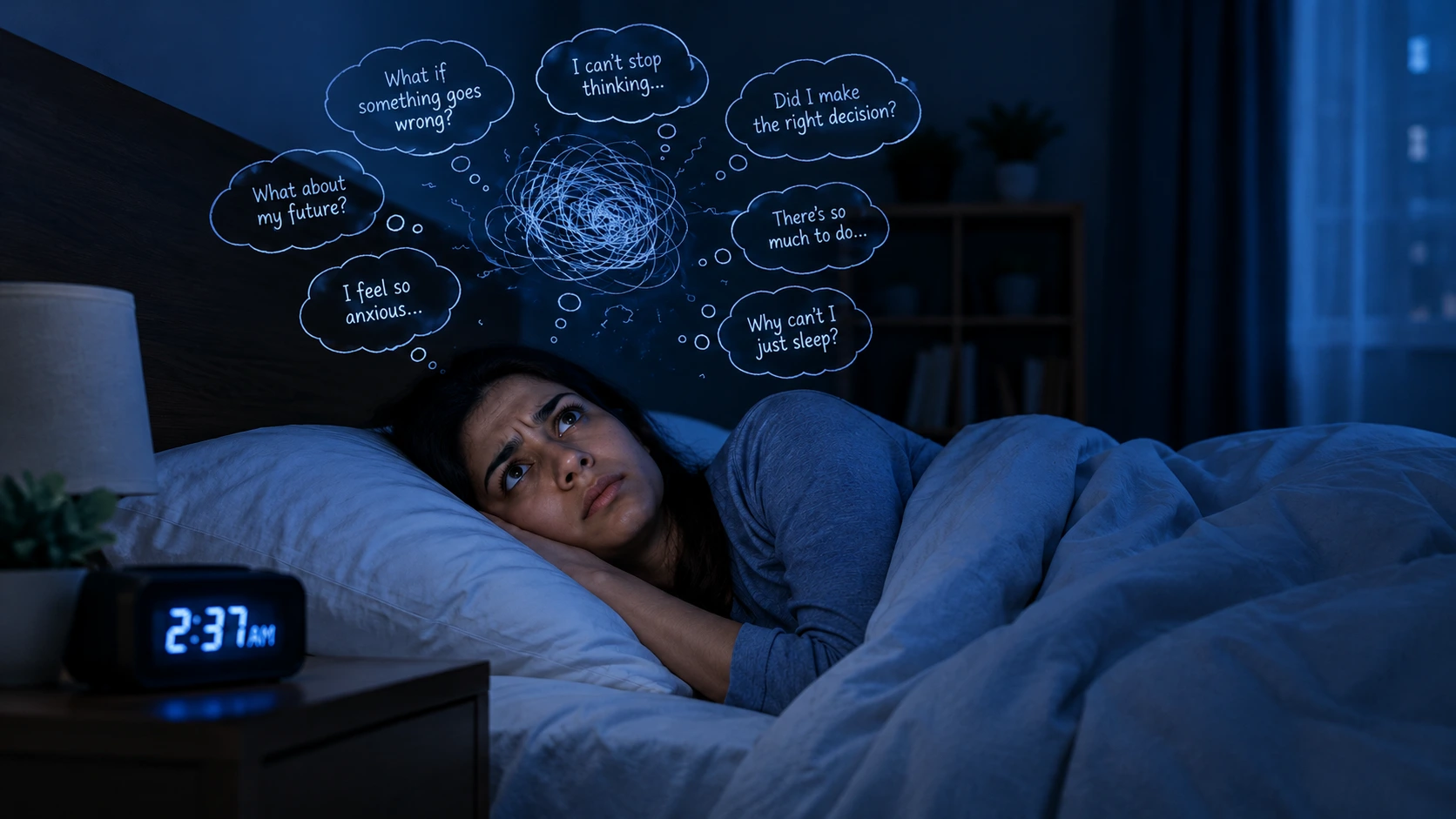
You’ve tried the usual advice — sleep more, breathe deeper, take a walk — and nothing seems to stick. Your shoulders are permanently tense, your stomach is in knots before every meeting, and you’re wondering if this is just “life” or something more. That question matters, because chronic stress symptoms left unaddressed don’t just affect your mood — they quietly reshape your physical health. Here’s how to tell the difference, and when it’s time to stop handling it alone and consider therapy.
What Counts as “Normal” Stress vs. a Medical Issue?
Everyday stress is a short-term response to a challenge — a deadline, a hard conversation, a near-miss in traffic. It spikes your heart rate and cortisol, then fades once the situation passes.
A medical issue starts where that bounce-back stops happening. When stress hormones stay elevated for weeks, your nervous system never gets the “all clear” signal, and the strain spills into sleep, digestion, and focus even when nothing acute is happening — a pattern often called nervous system dysregulation.
A simple gut-check: if your usual coping mechanisms for stress used to help and now barely make a dent, that’s a meaningful signal, not just a bad week.
How Does Chronic Stress Affect Your Physical Health?
The mind-body connection is measurable, not just a wellness buzzword. Prolonged tension keeps your body flooded with cortisol and adrenaline, which takes a real toll over time:
- Digestive issues — nausea, bloating, acid reflux
- Frequent headaches or muscle tension, especially in the jaw and shoulders
- Sleep disruption — trouble falling asleep or waking unrefreshed
- A weakened immune system — more frequent colds, slower recovery
- Cardiovascular strain — racing heart, elevated blood pressure, chest tightness
When physical symptoms appear with no clear medical cause, doctors sometimes call them psychosomatic symptoms — real, physical sensations rooted in nervous-system strain rather than a detectable injury. That doesn’t mean the pain is “just in your head” — it means the cause may be tension, and it deserves the same seriousness as any other health complaint.
What Are the Warning Signs Your Stress Needs Professional Help?
Not every stressful season calls for therapy, but these signals are worth taking seriously:
- It’s lasted more than a few weeks, even during downtime.
- Your usual outlets have stopped working — hobbies and rest feel flat.
- It’s affecting your relationships — snapping at people or withdrawing.
- Your work or daily functioning is slipping.
- You’re relying on alcohol or other substances to get through the day.
- People close to you have mentioned a change in how you seem.
- You have physical symptoms with no clear medical explanation.
If two or three sound familiar, that’s less “tough week” and more a pattern. Seeking help at this stage is stress resilience in practice — catching the pattern before it deepens.
Can Stress Turn Into Anxiety or Depression?
Yes — this is one of the less-discussed mental health effects of stress. Chronic stress and anxiety share the same wiring: a nervous system stuck “on alert.” Over time, situational tension can settle into persistent worry that no longer needs a specific trigger.
Depression can emerge from the same strain, especially when stress leads to isolation and a loss of interest in things that used to matter. The three often overlap, which is exactly why a trained professional therapist — not just willpower — is often needed to untangle what’s happening and what therapy support will help.
How Do Doctors and Therapists Diagnose Stress-Related Disorders?
There’s no single test for “too stressed.” Diagnosis typically combines:
- A physical exam and bloodwork, ruling out causes like thyroid issues that mimic tension symptoms
- A clinical interview covering duration, severity, and daily impact
- Standardized screening tools for anxiety, depression, or perceived tension
- A look at emotional regulation patterns — how you respond to triggers and recover
A good clinician treats this as a conversation, figuring out whether you’re dealing with situational tension, a diagnosable condition, or a mix of both.
What’s the Difference Between Stress and Burnout?
Stress usually comes with over-engagement — you feel like you’re drowning in demands but still fighting to keep up. Burnout tends to show the opposite: detachment, cynicism, and a sense that nothing you do matters.
| Stress | Burnout | |
|---|---|---|
| Core feeling | Overwhelmed, over-engaged | Empty, detached |
| Timeline | Short-term or ongoing | Builds over months |
| Response to rest | A break usually helps | A vacation often isn’t enough |
| Emotional tone | Anxious, urgent | Cynical, numb |
Burnout is often chronic stress left unaddressed too long. If you recognize more of the “burnout” column, that’s worth mentioning in a first therapy conversation — it often changes the approach.
When Should You Choose Therapy Over Self-Care for Stress?
Self-care — sleep hygiene, movement, journaling — is genuinely useful, and worth sticking with. But it has limits. Consider professional support when:
- You’ve tried self-care for several weeks with no real improvement
- Tension is tied to something complex — grief, trauma, a major transition
- Physical symptoms are present and persistent
- Signs of anxiety or depression are layering on top
- You want an objective, trained perspective rather than self-diagnosing
Therapy isn’t a replacement for self-care — it’s often what makes self-care actually work.
What Types of Therapy Work Best for Chronic Stress?
- Cognitive Behavioral Therapy (CBT) — reframes the thought patterns fueling tension
- Mindfulness-Based Stress Reduction (MBSR) — calms an overactive nervous system
- Acceptance and Commitment Therapy (ACT) — builds flexibility instead of fighting every stressful thought
- Somatic or body-based therapy — targets physical symptoms directly
- Talk therapy more broadly — a consistent, confidential space often reduces symptom intensity on its own
A therapist usually matches the approach to your symptoms, which is why an initial consultation matters more than picking a “style” in advance.
What Does Stress Do to Your Heart, Sleep, and Immune System?
Heart: Over time, elevated cortisol and adrenaline are linked to higher blood pressure and increased cardiovascular risk.
Sleep: Stress hormones interfere with winding down, leading to fragmented or unrefreshing sleep — which makes tension harder to manage the next day.
Immune system: Sustained stress suppresses immune function, which is why prolonged tension can lead to more frequent illness and slower recovery.
Occasional stress isn’t dangerous — but sustained, unmanaged tension has real downstream effects worth addressing before they compound.
Is Online Therapy Effective for Managing Chronic Stress?
Yes. Research and clinical experience support online therapy as genuinely effective for stress-related concerns, not just a lower-effort substitute. For many people, it removes barriers — commute time, scheduling conflicts — that would otherwise delay getting help.
Much of stress-management work — talking through patterns, learning coping strategies, practicing mindfulness — doesn’t require a physical setting. When you find a therapist for stress management, look for one whose approach (CBT, mindfulness-based, somatic) fits you, since fit matters more than convenience alone.
Frequently Asked Questions
How do I know if my stress is physical or psychological? Often both — physical symptoms like headaches are frequently rooted in psychological stress, and a doctor or therapist can help clarify which is driving which.
How many sessions does it typically take to see results? Many people notice relief within four to six sessions, though it varies based on how long the stress has been building.
Is it normal to need therapy for “just stress”? Completely. You don’t need a diagnosable disorder to benefit — struggling to cope alone is a valid, common reason people seek support.
The Bottom Line
Stress becomes a medical issue when it stops responding to rest and starts showing up in your body, relationships, and daily functioning. You don’t have to wait for a crisis to take it seriously. If several signs above sound familiar, it’s worth exploring professional support. Book a stress management therapy session and take the step your body’s already been asking for.
References
- American Psychological Association. Stress effects on the body. https://www.apa.org/topics/stress/body
- Mayo Clinic Staff. Stress symptoms: Effects on your body and behavior. Mayo Clinic. https://www.mayoclinic.org/healthy-lifestyle/stress-management/in-depth/stress-symptoms/art-20050987
- National Institute of Mental Health. I’m So Stressed Out! Fact Sheet. https://www.nimh.nih.gov/health/publications/so-stressed-out-fact-sheet
- World Health Organization. (2019). Burn-out an “occupational phenomenon”: International Classification of Diseases. https://www.who.int/news/item/28-05-2019-burn-out-an-occupational-phenomenon-international-classification-of-diseases
- National Center for Complementary and Integrative Health (NIH). Meditation and Mindfulness: What You Need To Know. https://www.nccih.nih.gov/health/meditation-in-depth