Have you been feeling constantly tired, physically drained, or experiencing unexplained body pain lately? Many people ignore the connection between emotional stress and physical symptoms until their body starts showing warning signs. Headaches, muscle tension, fatigue, stomach discomfort, and sleep problems are often signs that emotional pressure is affecting overall wellbeing. When stress becomes chronic, it can impact both the mind and body in serious ways. Fortunately, healing does not always begin with medication alone. Exercise therapy for stress and anxiety is becoming an effective and natural approach that supports emotional balance while improving physical health at the same time.
How Does Anxiety Affect Physical Health and Daily Functioning?
Many people associate anxiety only with overthinking or emotional distress, but it also affects the body significantly. Anxiety affecting physical health can lead to rapid heartbeat, chest tightness, digestive problems, low energy, body aches, and weakened immunity. When the brain constantly senses danger or pressure, the body remains in a “fight or flight” state.
This prolonged stress response increases cortisol levels, which can disturb sleep, concentration, appetite, and energy levels. People struggling with anxiety often find it difficult to stay productive, maintain healthy relationships, or perform daily tasks effectively.
Over time, chronic anxiety may contribute to:
- Persistent fatigue
- Frequent headaches
- Muscle stiffness and tension
- Digestive discomfort
- Poor sleep quality
- Reduced focus and motivation
This is why many therapists now recommend exercise therapy for mental health as part of a holistic treatment plan.
Why Is Stress Causing Physical Pain and Constant Fatigue?
Stress affects the nervous system directly. When stress remains unresolved, the muscles stay tight for long periods, causing neck pain, back pain, body stiffness, and exhaustion. Emotional overload can also drain mental energy, making even simple tasks feel difficult.
Many individuals experiencing burnout report feeling physically unwell despite no major medical condition being present. This happens because emotional stress can manifest physically. Stress-related health problems are more common than many people realize.
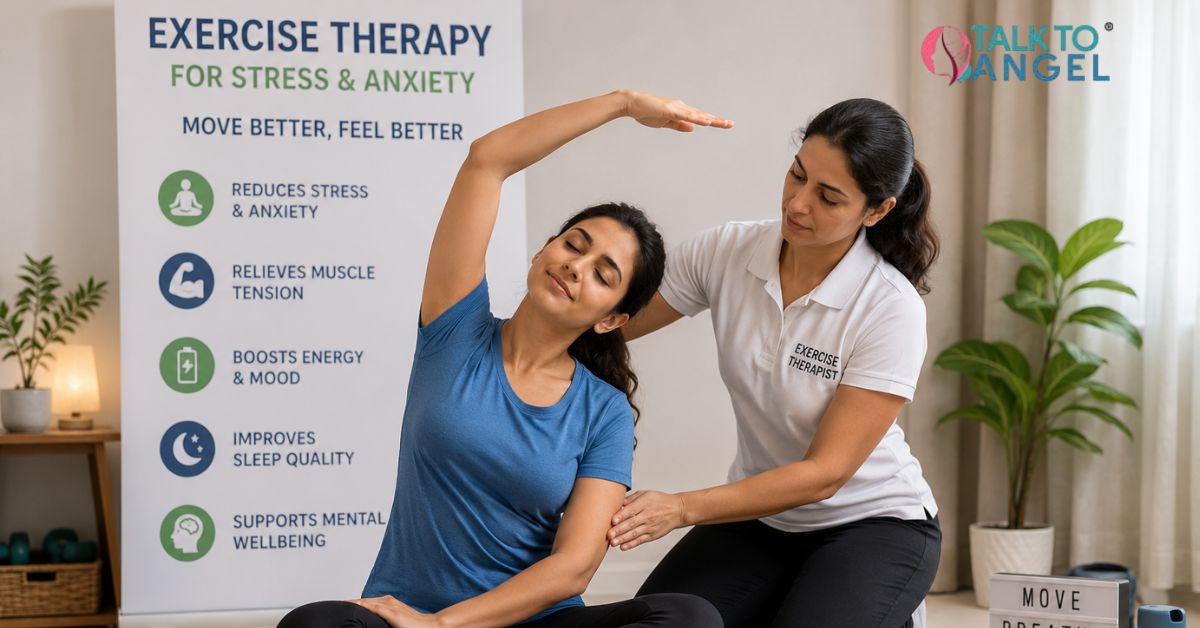
Exercise therapy helps by improving blood circulation, relaxing muscles, and releasing endorphins, which are natural mood-enhancing chemicals in the brain. It encourages the body to shift out of survival mode and return to a calmer state.
Why Do I Feel Physically Sick Because of Stress and Anxiety?
Stress and anxiety can trigger several physical symptoms because the brain and body are deeply connected. Some people experience nausea, dizziness, body weakness, shortness of breath, or stomach discomfort during periods of emotional pressure.
When anxiety becomes intense, the nervous system becomes overstimulated, leading to physical discomfort and reduced emotional resilience. This can make people feel as though they are constantly unwell or lacking energy.
Practicing stress management through physical activity can help regulate the nervous system naturally. Movement-based therapies improve oxygen flow, reduce muscle tension, and create emotional stability. Even moderate physical activity can improve emotional and physical wellbeing when practiced consistently.
Why Does Stress Make My Muscles Tense and Body Exhausted?
Muscle tension is one of the most common physical effects of anxiety. Stress causes the body to stay alert, leading muscles to tighten unconsciously. Over time, this creates soreness, headaches, jaw clenching, shoulder pain, and exhaustion.
People dealing with emotional pressure may also experience shallow breathing and poor posture, which further increases physical discomfort. This cycle often leaves individuals mentally and physically drained.
Natural therapy for stress relief through exercise can interrupt this cycle effectively. Activities like stretching, yoga, walking, breathing exercises, and guided movement therapies help relax the muscles while calming the mind.
Exercise therapy also improves sleep quality, which is essential for emotional recovery and physical healing.
Can Regular Exercise Therapy Reduce Panic, Stress, and Fatigue?
Yes, consistent physical activity has been shown to support emotional regulation and reduce symptoms of stress and anxiety. Reducing anxiety with exercise therapy is not just a wellness trend; it is a scientifically supported approach used by many mental health professionals.
Exercise therapy helps by:
- Releasing feel-good hormones like endorphins
- Lowering cortisol and stress hormones
- Improving sleep and energy levels
- Enhancing self-confidence and emotional resilience
- Reducing muscle tension and fatigue
- Promoting relaxation and mindfulness
People who engage in regular movement-based therapy often report feeling calmer, more focused, and emotionally balanced.
Different forms of exercise therapy for mental health may include:
- Walking therapy
- Yoga and stretching
- Breathing-focused movement
- Strength training
- Aerobic exercise
- Mind-body relaxation techniques
Therapists may recommend personalized activities depending on an individual’s emotional and physical condition.
How Can Exercise Therapy Improve Anxiety and Stress Naturally?
The body and mind work together closely, which means healing the body can also support emotional recovery. How can exercise therapy improve anxiety and stress naturally? The answer lies in the way physical activity regulates both brain chemistry and nervous system functioning.
Exercise therapy improves emotional wellbeing by helping individuals:
- Feel more in control of their emotions
- Release emotional tension safely
- Improve concentration and mood
- Develop healthier routines
- Build confidence and resilience
Unlike temporary coping methods, regular movement supports long-term emotional stability and physical health. It also creates opportunities for mindfulness, social connection, and self-care.
Combining therapy with physical activity often produces better results for people struggling with stress, panic, burnout, or anxiety-related physical symptoms.
When Should You Seek Professional Help for Stress and Anxiety?
Occasional stress is normal, but ongoing emotional distress that affects physical health should not be ignored. If anxiety is causing sleep problems, fatigue, body pain, panic attacks, emotional breakdowns, or difficulty functioning daily, professional guidance can help.
Seeking support early can prevent stress from becoming overwhelming. Professional therapists can identify emotional triggers and create personalized coping strategies, including relaxation techniques, counselling, and exercise-based interventions.
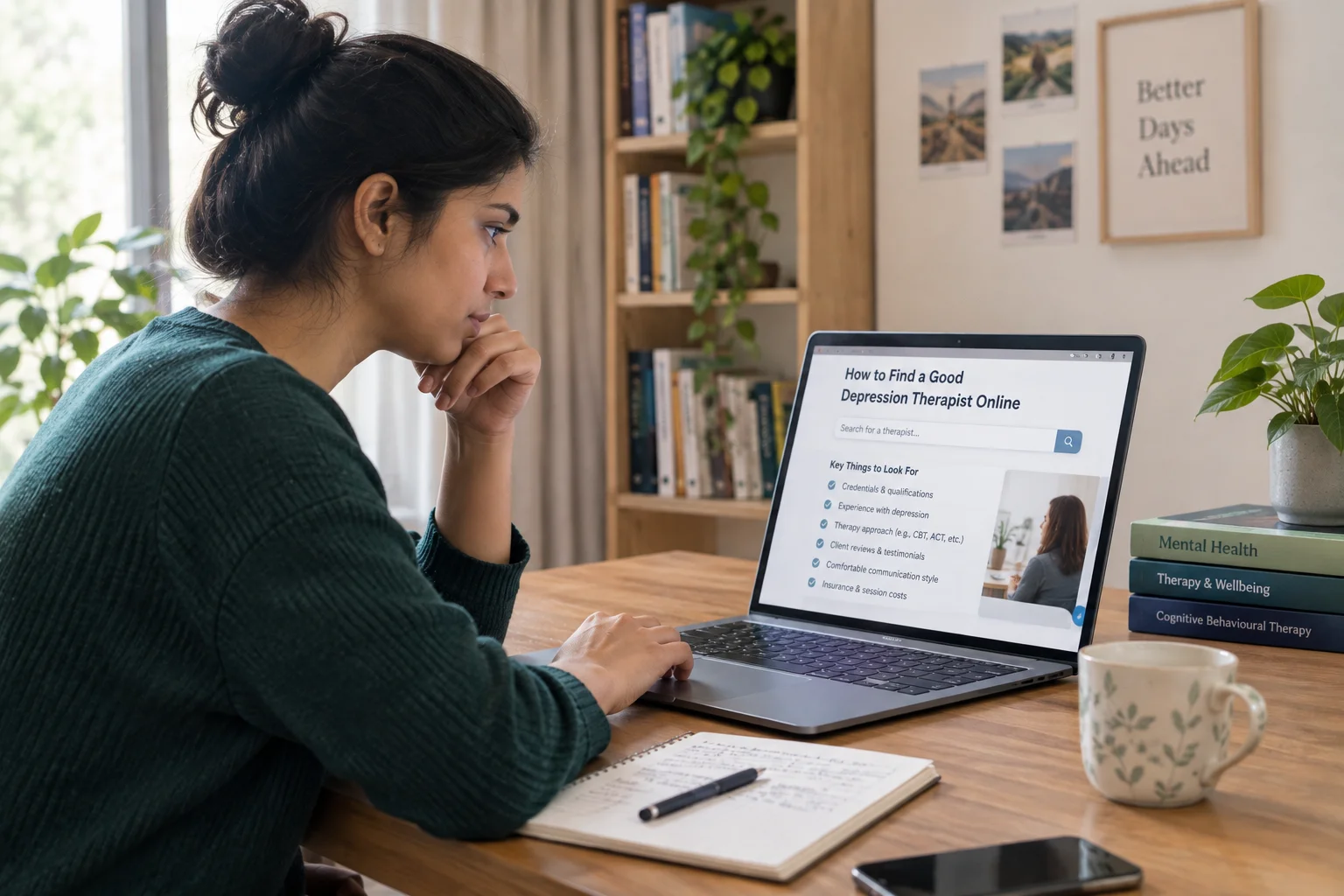
You can book a session with a therapist online to receive professional guidance from the comfort of your home.
Finding the Right Mental Health Support in India
If you are looking for professional emotional wellness support, TalktoAngel, one of the best online counselling platforms in India, offers access to experienced therapists who help individuals manage anxiety, stress, trauma, and emotional difficulties through evidence-based approaches.
For individuals seeking in-person mental wellness care, Psychowellness Center, recognized as the best mental health wellness clinic in Delhi, provides professional psychological support for stress management, anxiety treatment, emotional wellbeing, and holistic mental healthcare.
Conclusion
Stress and anxiety do not only affect emotions; they can deeply impact physical health, energy levels, sleep, and overall quality of life. If you are Battling Stress & Anxiety? How Exercise Therapy Boosts Mental Health is becoming an important conversation as more people experience emotional and physical exhaustion due to chronic stress. Ignoring these symptoms may lead to long-term mental and physical fatigue. Fortunately, healing is possible through healthy and supportive approaches like exercise therapy for stress and anxiety, which can improve emotional balance, energy levels, and overall wellbeing naturally.
By incorporating movement, relaxation, and professional mental health support into daily life, individuals can improve both emotional balance and physical wellbeing naturally. Small, consistent steps toward self-care can make a meaningful difference in managing stress and restoring overall wellness.