
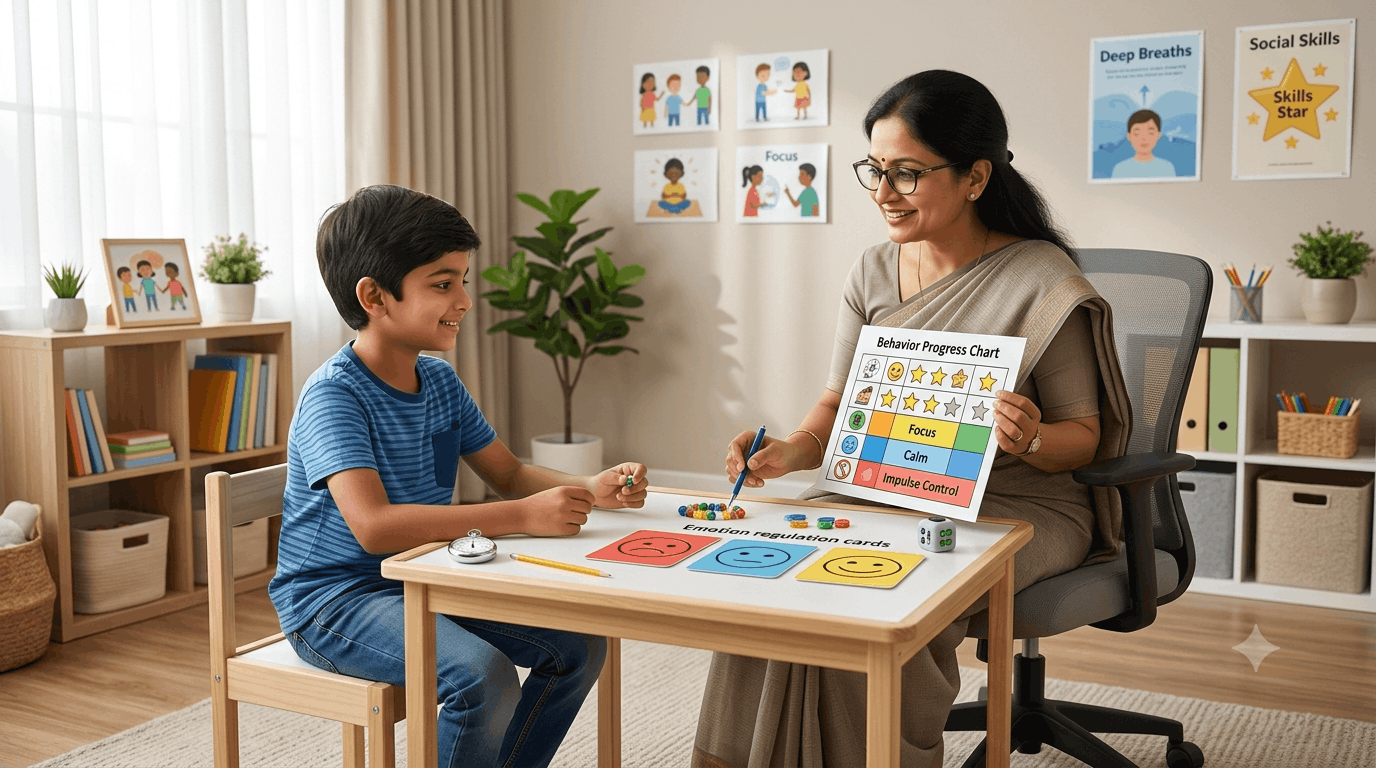
Attention-Deficit/Hyperactivity Disorder (ADHD) affects much more than concentration. It can influence emotions, relationships, social interactions, and daily decision-making. Many children, teenagers, and adults with ADHD struggle with impulsive actions, frustration, emotional outbursts, and difficulties maintaining healthy relationships. While medication may help some individuals manage symptoms, many people benefit significantly from behavioural therapy for ADHD because it teaches practical skills that can be applied in everyday situations. Through structured guidance and consistent support, behavioural therapy helps individuals develop healthier habits, improve emotional regulation, and strengthen social skills, making daily life more manageable and fulfilling.
How Does Behavioural Therapy Help Control Impulsive Behaviour in ADHD?
Impulsivity is one of the most common challenges experienced by people with ADHD. It may involve interrupting conversations, making quick decisions without thinking, acting aggressively when upset, or struggling to wait for one’s turn.
Behavioural therapy for ADHD helps individuals recognize impulsive patterns and develop strategies to pause before reacting. Therapists often teach techniques such as:
- Identifying triggers that lead to impulsive behaviour
- Practicing self-monitoring skills
- Using reward systems for positive behaviour
- Learning problem-solving techniques
- Developing coping strategies for challenging situations
These methods help individuals become more aware of their actions and gradually build better self-control. Over time, this approach contributes significantly to managing ADHD symptoms with therapy and improving daily functioning.
Why Is Behavioural Therapy Effective for Managing ADHD Symptoms?
ADHD symptoms often affect multiple areas of life, including school, work, family relationships, and social interactions. Behavioural therapy focuses on changing behaviours rather than simply addressing symptoms.
Some key benefits include:
- Improved time-management skills
- Better organization and planning
- Enhanced focus and task completion
- Reduced disruptive behaviours
- Stronger communication skills
Unlike temporary solutions, therapy helps create long-term behavioural changes. Through regular ADHD support therapy sessions, individuals learn practical strategies that can be used repeatedly in different situations.
This structured approach makes ADHD treatment through behavioural therapy particularly valuable because it addresses the root behavioural challenges that often interfere with success and well-being.
How Do You Manage ADHD-Related Frustration and Anger in Daily Life?
Many individuals with ADHD experience frustration because they may struggle to meet expectations at school, work, or home. Repeated challenges can lead to anger, emotional outbursts, and low self-esteem.
Behavioural therapy teaches emotional regulation techniques that help individuals respond more calmly during stressful situations. Therapists may introduce:
- Deep breathing exercises
- Mindfulness techniques
- Positive self-talk
- Emotional awareness training
- Stress-management strategies
These tools help individuals identify emotions before they become overwhelming. By understanding emotional triggers and learning healthier responses, people can better manage frustration and reduce conflicts with others.
When combined with consistent practice, managing ADHD symptoms with therapy becomes easier because emotional regulation supports better decision-making and behavioural control.
Why Does My Child with ADHD Struggle with Social Behaviour and Making Friends?
Social difficulties are common among children with ADHD. Impulsive behaviour, difficulty following social cues, excessive talking, or emotional reactions can make it challenging to build and maintain friendships.
Children may unintentionally interrupt conversations, dominate games, or react strongly when things do not go their way. These behaviours can sometimes lead to misunderstandings with peers.
Through ADHD support therapy sessions, children learn important social skills such as:
- Taking turns during conversations
- Understanding social boundaries
- Listening actively
- Managing emotional reactions
- Building empathy and cooperation
Role-playing exercises and behavioural practice help children develop stronger interpersonal skills. As a result, they often become more confident in social settings and form healthier relationships.
Can Parents Play a Role in ADHD Behavioural Therapy?
Absolutely. Parents are often essential partners in the therapeutic process. Behavioural therapy frequently includes parent training to help families create supportive environments at home.
Parents may learn how to:
- Set clear expectations
- Establish consistent routines
- Use positive reinforcement effectively
- Manage challenging behaviours calmly
- Encourage independence and responsibility
When parents and therapists work together, children receive consistent guidance across different environments. This collaboration strengthens the effectiveness of ADHD treatment through behavioural therapy and promotes lasting behavioural improvements.
How Can Adults Benefit from Behavioural Therapy for ADHD?
Although ADHD is often associated with childhood, many adults continue to experience symptoms that affect their careers, relationships, and personal lives.
Adults may struggle with:
- Chronic procrastination
- Poor organization
- Time-management difficulties
- Emotional impulsivity
- Workplace challenges
Behavioural therapy for ADHD helps adults develop practical coping strategies tailored to their daily responsibilities. Therapy can improve productivity, enhance self-confidence, and support healthier personal and professional relationships.
With consistent effort, adults often discover that managing ADHD symptoms with therapy allows them to achieve goals more effectively and experience greater life satisfaction.
Where Can You Find Professional ADHD Support?
Seeking professional help is one of the most effective steps toward managing ADHD-related behavioural difficulties. Qualified psychologists can provide personalized treatment plans that address specific challenges and goals.
TalktoAngel, the best platform for mental health support, offers access to experienced professionals who guide individuals and families dealing with ADHD. Through professional counselling and ADHD support therapy sessions, individuals can learn practical tools to improve behaviour, emotional regulation, and overall well-being.
If you are looking to talk to the best psychologists in India, professional support can make a meaningful difference in managing ADHD symptoms and building healthier coping strategies.
Conclusion
ADHD-related behavioural difficulties can affect every aspect of life, from emotional well-being to academic, professional, and social success. However, these challenges are manageable with the right support. Behavioural therapy provides practical, evidence-based strategies that help individuals improve self-control, regulate emotions, strengthen social skills, and develop healthier habits. Whether for children, teenagers, or adults, ADHD treatment through behavioural therapy offers valuable tools for long-term growth and success.
Many people also want to know, “Is Online Therapy Effective for Adult ADHD?“ Research and clinical experience suggest that online therapy can be highly effective, offering convenient access to professional support, behavioural strategies, and ongoing guidance tailored to individual needs. With professional guidance and consistent practice, individuals can overcome challenges and lead more balanced, productive, and fulfilling lives.