
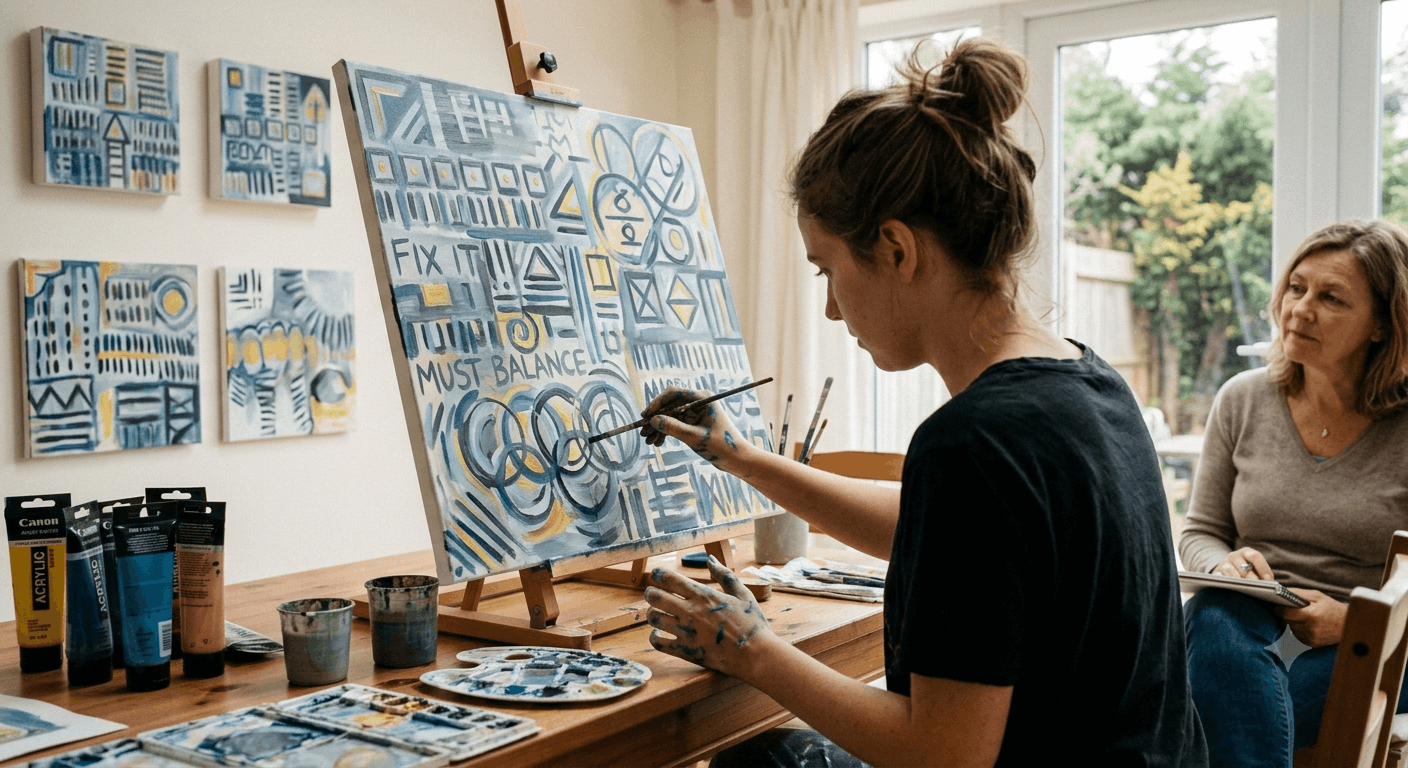
Obsessive-compulsive disorder (OCD) can feel like being trapped in an endless cycle of unwanted thoughts and repetitive behaviors. Intrusive thoughts often create anxiety, fear, and emotional exhaustion, making it difficult to focus on daily life. While traditional therapies are highly effective, many individuals are now exploring creative approaches to healing. One such approach is art therapy for OCD, which provides a safe and non-verbal way to express difficult emotions and transform negative thinking patterns into meaningful creative expression. Through drawing, painting, sculpting, and other artistic activities, individuals can better understand their thoughts, reduce distress, and develop healthier coping mechanisms.
How Can Art Therapy Help Me Control Intrusive OCD Thoughts Naturally?
Intrusive thoughts are one of the most challenging aspects of OCD. These thoughts often appear suddenly and can create intense anxiety or discomfort. Art therapy for OCD allows individuals to externalize these thoughts by giving them a visual form.
Instead of suppressing or fighting intrusive thoughts, people learn to express them through creative activities. This process can help reduce the emotional intensity associated with these thoughts and create a sense of control. Art becomes a healthy outlet where emotions can be explored without judgment.
Some benefits include:
- Improved emotional awareness
- Reduced anxiety related to intrusive thoughts
- Better self-expression
- Increased mindfulness and focus
- Healthier coping strategies
By encouraging creative expression, art therapy supports effective OCD thought management and emotional regulation.
Why Is Creative Expression Helpful for OCD Thought Management?
People with OCD often experience recurring thought patterns that can feel overwhelming. Creative activities engage different areas of the brain and encourage flexible thinking. This can help break the cycle of repetitive thoughts.
When individuals focus on creating art, they shift their attention away from obsessive concerns and toward a constructive task. Over time, this process helps improve concentration and emotional resilience.
Art therapy also promotes self-discovery. Individuals may uncover hidden emotions, fears, or triggers that contribute to their symptoms. Understanding these emotional experiences is an important part of therapy for obsessive-compulsive disorder.
How Does Art Therapy Help People With Severe OCD Symptoms?
For individuals experiencing severe OCD symptoms, verbal communication may sometimes feel difficult. Art offers an alternative way to communicate feelings that are hard to put into words.
During therapy sessions, a mental health professional may guide clients through structured creative exercises designed to explore thoughts and emotions safely. These activities can help:
- Reduce emotional distress
- Improve self-confidence
- Encourage relaxation
- Increase self-understanding
- Strengthen problem-solving skills
As individuals learn to express themselves creatively, they often feel less controlled by their obsessive thoughts. This makes OCD treatment through art therapy a valuable complementary approach alongside evidence-based psychological treatments.
What Are Some Effective Art Therapy Techniques for OCD?
Several art therapy techniques for OCD can help individuals process emotions and manage symptoms more effectively.
Visual Journaling
Keeping an art journal allows individuals to record thoughts and feelings through drawings, colors, and symbols. This practice can help identify recurring emotional patterns.
Emotion Mapping
People create visual representations of emotions connected to their OCD experiences. This technique increases awareness of triggers and emotional responses.
Mandala Drawing
Creating repetitive circular patterns can promote relaxation and mindfulness. It encourages focus and reduces anxiety.
Collage Creation
Using images, textures, and words to create a collage helps individuals explore thoughts and feelings from a new perspective.
Sculpting and Clay Work
Working with clay provides a sensory experience that can reduce stress and encourage emotional expression.
These art therapy techniques for OCD help transform distressing thoughts into creative expression while promoting emotional healing.
Is Art Therapy an Effective Treatment Option for Obsessive-Compulsive Disorder (OCD)?
Many people ask, “Is art therapy an effective treatment option for obsessive-compulsive disorder (OCD)?” The answer is that art therapy can be highly beneficial when used as part of a comprehensive treatment plan.
While art therapy may not replace evidence-based approaches such as Cognitive Behavioral Therapy (CBT) or Exposure and Response Prevention (ERP), it can enhance overall treatment outcomes. It provides an additional channel for emotional expression and self-exploration.
Research and clinical experience suggest that creative therapies can help reduce anxiety, improve emotional well-being, and increase engagement in treatment. For many individuals, combining traditional therapies with OCD treatment through art therapy leads to a more balanced and personalized recovery journey.
How Can Online Art Therapy Support People Living With OCD?
Online mental health services have made therapeutic support more accessible than ever. Individuals can now participate in guided creative sessions from the comfort of their homes.
Platforms like TalktoAngel, the best platform for mental health support, connect individuals with qualified mental health professionals who understand the challenges associated with OCD. Through virtual sessions, clients can explore creative interventions while receiving professional guidance tailored to their needs.
Online therapy offers several advantages:
- Greater convenience and accessibility
- Increased privacy and comfort
- Flexible scheduling
- Access to experienced therapists
- Consistent therapeutic support
Those seeking help can also book a therapist’s consultation online to discuss personalized treatment options and determine whether art therapy could be beneficial for their recovery journey.
How Can You Start Using Art Therapy for OCD Recovery?
Beginning art therapy does not require artistic talent or professional skills. The focus is not on creating perfect artwork but on healthily expressing thoughts and emotions.
Simple activities such as drawing feelings, painting emotional experiences, or keeping a creative journal can serve as valuable tools for self-expression. Working with a trained therapist can further enhance the benefits by providing guidance, insight, and emotional support.
Conclusion
Living with OCD can be emotionally exhausting, especially when intrusive thoughts affect daily life. However, art therapy for OCD helps transform negative thoughts into healthy expression while supporting OCD thought management and emotional well-being. It can complement traditional therapy for obsessive-compulsive disorder and promote long-term recovery. You can also know how an online psychiatrist for OCD can help manage repetitive thoughts through personalized treatment and professional guidance. With support from TalktoAngel, the best platform for mental health support, individuals can take meaningful steps toward emotional balance and healing.