
You tell yourself it’s just a rough patch. You’re tired, a little irritable, maybe not sleeping well — but everyone goes through phases like this, right? The trouble is, ignoring mental health concerns rarely makes them go away. Left unaddressed, small struggles tend to snowball into bigger ones, making everyday coping harder and recovery slower. This blog breaks down why avoidance backfires, the signs you are ignoring your mental health, how to know if you need therapy, and how online counselling for mental health can help you get back on steadier ground before things escalate.
Why Do So Many People Ignore Their Mental Health?
Most people don’t ignore their mental health on purpose — it happens gradually, often for understandable reasons.
- Stigma: Many still see emotional struggles as a personal weakness rather than a health issue.
- Busy schedules: Work, family, and daily responsibilities leave little room for self-reflection.
- Normalization: Phrases like “everyone’s stressed these days” make genuine struggles feel less urgent.
- Fear of diagnosis: Some avoid seeking help because they’re afraid of what a professional might tell them.
- Lack of access: Not knowing where to start, or assuming therapy is expensive or time-consuming, keeps people stuck — even though many now look for affordable online counselling in India once they realize help doesn’t have to be costly.
Understanding these patterns is the first step toward breaking them — because avoidance, however understandable, is rarely harmless.
What Happens When Mental Health Concerns Go Untreated?
When anxiety disorders, depression symptoms, or chronic stress go unaddressed, they don’t usually stay the same size. They tend to grow.
Untreated mental health issues often lead to:
- Worsening emotional regulation, including irritability or sudden mood shifts
- Increased reliance on unhealthy coping mechanisms like overeating, substance use, or excessive screen time
- A growing sense of hopelessness or emotional numbness
- Greater difficulty functioning at work, school, or home
- Higher risk of the condition becoming chronic rather than situational
What starts as mild anxiety can, over months or years, develop into a persistent anxiety disorder. What begins as low mood can deepen into clinical depression. Recognizing the early signs of burnout and mental exhaustion before they compound is one of the most effective ways to prevent this progression, since early intervention is almost always easier than late intervention.
How Does Ignoring Mental Health Make Coping Harder Over Time?
Here’s the paradox: avoidance feels like the easier choice in the moment, but it actually erodes your coping capacity over time.
Think of emotional resilience like a muscle. Every time you push through a difficult feeling without processing it, you’re not building strength — you’re accumulating unresolved stress. This backlog makes future stressors feel disproportionately overwhelming, because you’re reacting not just to today’s problem, but to everything you never dealt with before it.
This is why coping with mental health issues through counselling tends to be far more effective than trying to figure out how to cope with stress with therapy on your own. A therapist helps you process emotions as they arise, rather than letting them pile up until a minor setback feels like a crisis.
What Are the Early Warning Signs You Shouldn’t Ignore?
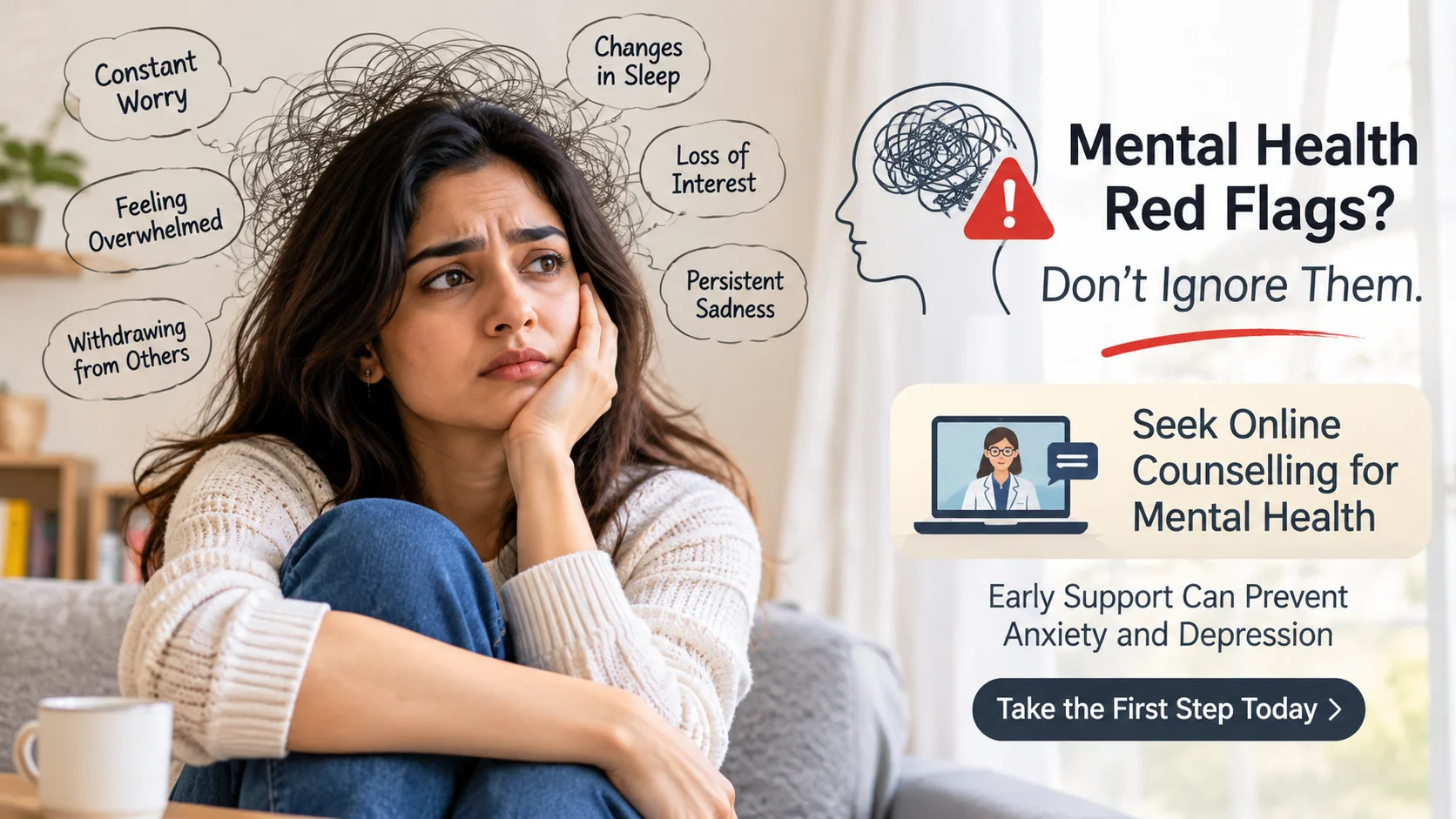
Catching problems early makes a significant difference. Watch for these mental health red flags:
- Persistent fatigue despite adequate sleep
- Withdrawing from friends, family, or activities you once enjoyed
- Difficulty concentrating or making decisions
- Changes in appetite or sleep patterns
- Increased irritability, tearfulness, or emotional numbness
- Physical complaints with no clear medical cause (headaches, stomach issues, tension)
- Feeling constantly “on edge” or unable to relax
- Using substances, work, or distraction to avoid feelings
If you notice several of these signs of untreated anxiety and depression lasting more than two weeks, it’s worth paying closer attention rather than waiting for things to resolve on their own.
Can Unaddressed Mental Health Issues Affect Physical Health?
Yes — and this connection is often underestimated. Chronic stress and untreated emotional struggles trigger the body’s stress response repeatedly, which over time can contribute to:
- High blood pressure and cardiovascular strain
- Weakened immune function
- Digestive issues
- Chronic muscle tension and headaches
- Sleep disturbances that compound fatigue and mood problems
Your mind and body are not separate systems. Understanding how unresolved trauma affects daily life, both physically and emotionally, shows just how closely the two are linked — the body often carries the weight of it, sometimes long before the emotional symptoms are acknowledged.
How Do Unresolved Emotions Impact Relationships and Work?
Unprocessed stress and emotional pain rarely stay contained to one part of life. They tend to spill over.
At work, this can look like reduced concentration, missed deadlines, or conflict with colleagues. At home, it often shows up as short tempers, emotional distance, or difficulty being present with loved ones. Partners and family members may sense something is wrong even before you can name it yourself, which can create tension or misunderstanding in relationships that were previously stable.
Addressing mental health isn’t just about personal wellbeing — it protects the relationships and responsibilities that depend on you showing up as your best self.
What Are Healthy Coping Mechanisms vs. Avoidance Behaviors?
Not all coping is created equal. It helps to distinguish between strategies that genuinely support you and those that only offer temporary relief.
Healthy coping mechanisms include:
- Talking openly with a trusted person or therapist
- Practicing stress management techniques like deep breathing, journaling, or mindfulness — simple stress management techniques for beginners that don’t require any special training to start
- Maintaining regular sleep, movement, and nutrition
- Setting boundaries around work and social obligations
Avoidance behaviors often look productive but don’t address the root issue:
- Overworking to avoid sitting with difficult emotions
- Numbing out through excessive scrolling, binge-watching, or substance use
- Constantly staying “busy” to avoid reflection
- Minimizing feelings by telling yourself “it’s not that bad”
Recognizing the difference is key to building coping strategies that actually work long-term.
When Is the Right Time to Seek Professional Help?
There’s no single “correct” moment to seek help — but certain signals suggest it’s time to stop waiting:
- Your symptoms have lasted more than two weeks
- Daily functioning (work, relationships, self-care) is noticeably affected
- You’re relying more on avoidance behaviors than healthy coping
- Loved ones have expressed concern about changes in your mood or behavior
- You feel stuck, despite trying to manage things on your own
Knowing when to see a therapist doesn’t require hitting a breaking point. If you’re still unsure, learning how to start therapy for the first time can make the decision feel far less intimidating—seeking support early, while symptoms are still manageable, often leads to faster, longer-lasting improvement.
How Can Online Counselling Help You Cope Better?
Online mental health counselling removes many of the barriers that keep people stuck in avoidance. Therapy approaches such as cognitive behavioral therapy (CBT) help you identify unhelpful thought patterns, understand triggers, and build practical coping skills — all from the comfort and privacy of your own space.
Online counselling offers:
- Flexible scheduling that fits around work and family commitments
- Access to licensed therapists regardless of your location
- A comfortable, private setting that can reduce the anxiety of a first session
- Continuity of care through consistent, regular sessions
- A judgment-free space to process emotions before they intensify
For many people, the convenience of being able to schedule a therapy appointment online — combined with access to the best online therapist for stress and anxiety for their specific needs — is what finally turns intention into action.
What Are the Benefits of Early Mental Health Intervention?
Seeking help early — rather than waiting for a crisis — tends to produce better outcomes across the board:
- Symptoms are typically less severe and easier to treat
- Coping skills can be built proactively, not just reactively
- Relationships and work performance are less likely to be disrupted
- Recovery timelines are often shorter
- You develop tools that protect your mental health long into the future
Early intervention isn’t about overreacting to minor stress—it’s about getting the support you need before small struggles become bigger ones.
Final Thoughts: Don’t Wait Until It’s Unmanageable
Ignoring mental health concerns might feel like the path of least resistance, but it usually makes coping harder, not easier. The good news is that help is more accessible than ever. If you’ve noticed any of the warning signs above, consider reaching out for support rather than waiting for things to worsen.
TalktoAngel, a trusted online platform for mental health support, connects you with experienced, licensed therapists who can help you process what you’re feeling and build sustainable coping strategies — all through convenient, confidential online sessions. Don’t wait for a crisis to take your mental health seriously. Reach out to TalktoAngel today and take the first step toward feeling better.