Panic Attack Treatment: Therapy vs Medication Explained
Your heart is racing, your chest feels tight, and it seems like something terrible is about to happen — even though nothing actually is. If this sounds familiar, you already know how frightening a panic attack can be. The good news? Effective panic attack treatment exists, and you don’t have to figure out whether therapy, medication, or both is right for you on your own. This guide breaks down exactly how each option works, so you can make an informed, confident decision about your care.
What Is the Best Treatment for Panic Attacks?
There isn’t a single “best” treatment that works for everyone — but research consistently points to two proven approaches: therapy and medication.
- Cognitive Behavioral Therapy (CBT) is considered the gold-standard, evidence-based treatment for panic disorder.
- Medication, particularly SSRIs, helps regulate the brain chemistry linked to anxiety and panic.
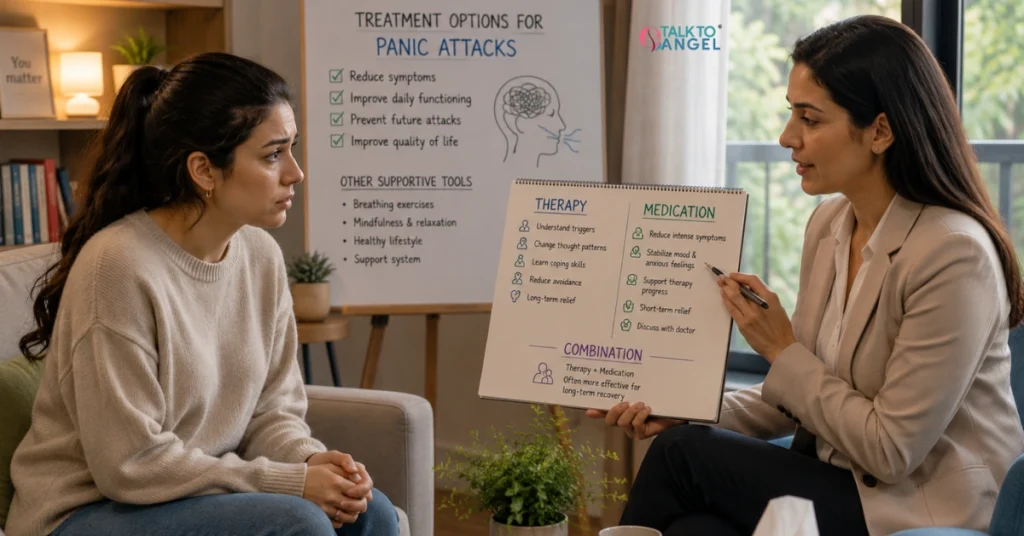
- For many people, a combination of therapy and medication for panic attacks produces the most lasting relief.
The right choice depends on how severe your symptoms are, how long you’ve been experiencing them, and your personal preferences. A mental health professional can help you figure out which path — or combination of paths — fits your situation best.
Is Therapy or Medication Better for Panic Attacks?
This is one of the most common questions people ask when panic attacks start disrupting their life. Here’s the honest answer: it depends on the individual.
If you’ve ever tried deep breathing mid-panic and wondered why it didn’t fully work, you’re not alone — many people ask Are Breathing Techniques Enough for Panic Attacks, and the honest answer is that breathing alone often isn’t enough without deeper therapeutic support.
Therapy tends to offer longer-term results because it teaches you skills to manage panic when it strikes, rather than just masking symptoms. Medication can work faster to reduce the intensity and frequency of attacks, especially when symptoms are severe, or you’re also dealing with depression.
Many therapists recommend starting with therapy for mild to moderate panic attacks, and adding medication only if symptoms remain hard to manage. Others may recommend both from the start if attacks are frequent and significantly affecting daily functioning.
How Does Therapy Help People Manage Panic Attacks?
Therapy works by helping you understand and change the thought patterns and behaviors that fuel panic. It’s not about “just calming down” — it’s about rewiring how your brain and body respond to perceived threats.
Cognitive Behavioral Therapy (CBT)
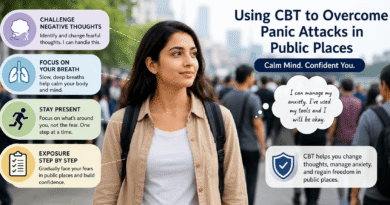
CBT helps you identify the catastrophic thoughts (“I’m having a heart attack,” “I’m going to lose control”) that trigger and worsen panic. Over time, you learn to challenge these thoughts and replace them with more realistic ones.
Exposure Therapy
This gradually exposes you to the physical sensations or situations that trigger panic, in a safe and controlled way, so your brain learns they aren’t actually dangerous.
Breathing and Relaxation Techniques
Therapists often teach diaphragmatic breathing and grounding exercises that interrupt the panic response in real time.
Online Therapy for Panic Attacks
Online therapy for panic attack treatment has become just as effective as in-person sessions for many people, according to growing clinical evidence. It also removes common barriers — like travel, scheduling conflicts, or discomfort with face-to-face sessions — making consistent treatment easier to stick with.
When Is Medication Recommended for Panic Attacks?
Medication isn’t always the first step, but it plays an important role in certain situations:
- Severe or frequent panic attacks that interfere significantly with daily life
- Co-occurring depression or generalized anxiety disorder
- Limited access to therapy or a need for faster symptom relief
- Lack of progress with therapy alone after a reasonable trial period
Commonly prescribed options include SSRIs (like sertraline or escitalopram) and, in some short-term cases, benzodiazepines. These should always be prescribed and monitored by a psychiatrist, since dosage, side effects, and withdrawal need careful management.
Can Therapy and Medication Work Together for Panic Disorder?
Yes — and for many people, this combined approach offers the best of both worlds. Medication can reduce the intensity of symptoms enough to make therapy sessions more productive, while therapy addresses the root causes and builds long-term coping skills.
Example: Someone with severe panic disorder might start on medication to stabilize acute symptoms, then use CBT over several months to build lasting resilience — eventually tapering off medication under medical guidance while continuing to use therapy-based tools.
This isn’t a one-size-fits-all rule, though. Your treatment plan should be reviewed and adjusted with your provider as your symptoms change.
Can Panic Attacks Be Treated Without Medication?
Absolutely. Panic attack treatment without medication is not only possible but often successful, especially for mild to moderate cases. Options include:
- CBT and exposure therapy to address thought patterns and triggers
- Mindfulness-based stress reduction (MBSR)
- Regular exercise, which naturally lowers baseline anxiety levels
- Sleep hygiene improvements, since poor sleep worsens panic symptoms
- Limiting caffeine and alcohol, both of which can trigger or intensify attacks
If you’d prefer to avoid medication, it’s worth discussing this openly with a therapist so your treatment plan is built entirely around non-pharmacological strategies from the start.
Should You See a Therapist or Psychiatrist for Panic Attacks?
It depends on what kind of support you need:
- A therapist or psychologist is trained to deliver talk-based treatments like CBT and exposure therapy — ideal if you want to work through triggers and build coping skills.
- A psychiatrist can prescribe and manage medication, which is necessary if your treatment plan includes a pharmacological approach.
Many people benefit from seeing both, especially in the early stages of treatment. A therapist can also help you decide whether a psychiatric referral makes sense based on how you’re responding to therapy alone.
Finding the Right Support for Panic Attacks
Panic attacks can feel isolating, but you don’t have to manage them alone — and you don’t have to guess your way through treatment decisions. Whether you’re leaning toward therapy, considering medication, or want to explore a combined approach, the most important step is talking to a qualified professional who can guide you based on your specific symptoms and history.
TalktoAngel, a trusted platform for mental health support, connects you with the best therapists online who specialize in anxiety and panic disorders. Through convenient, confidential online sessions, you can get an accurate assessment, a personalized treatment plan, and ongoing support — all from the comfort of your home.
If panic attacks are affecting your daily life, don’t wait for things to get harder. Reach out to TalktoAngel today and take the first step toward calmer, more confident days.
Frequently Asked Questions
Where can I find the best therapists online for panic attacks?
TalktoAngel connects you with licensed, experienced therapists who specialize in panic disorder and anxiety-related conditions. You can book a confidential online session, get matched with a therapist suited to your needs, and start treatment without long waitlists or in-person visits.
How do I know if I need therapy, medication, or both for panic attacks?
The best way to know is through a proper assessment with a mental health professional. TalktoAngel’s therapists evaluate your symptoms, history, and severity, then guide you toward the right approach — whether that’s therapy alone, a psychiatric referral for medication, or a combined plan.
Can I get help for panic attacks without visiting a clinic in person?
Yes. Through TalktoAngel, you can access therapy entirely online — including CBT, exposure therapy, and relaxation-based techniques — from your phone or laptop. This removes common barriers like travel, scheduling, and location, so you can start treatment right away.
How quickly can I start therapy for panic attacks on TalktoAngel?
Most users can book a session with a TalktoAngel therapist within a day or two of signing up. Early intervention matters with panic disorder, so quick access to a qualified therapist can help prevent symptoms from escalating.