How to Overcome FOMO: Why Online Counselling Might Be the Answer
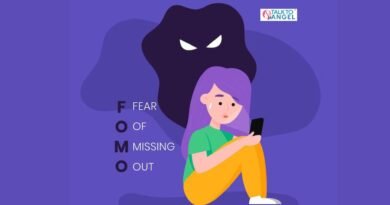
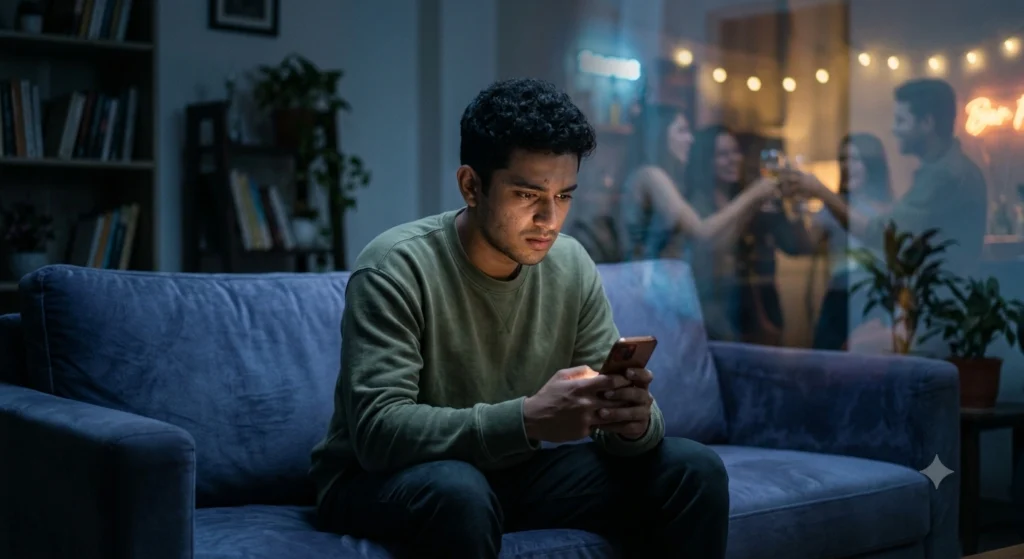
Scrolling through your feed at midnight, watching everyone else’s highlight reel while you sit alone with your phone — sound familiar? That nagging feeling that life is happening everywhere except where you are has a name: FOMO, or fear of missing out. It quietly chips away at confidence, sleep, and relationships. The good news is that FOMO is treatable, and online counselling offers a practical, accessible way to break the cycle.
What Is FOMO and Why Do We Experience It?
FOMO is the anxious sense that others are having more fun, achieving more, or living better lives than you are — usually fuelled by social media. It’s not simple jealousy; it’s a deeper worry about being left behind.
Our brains are wired to seek belonging, so when we perceive ourselves as excluded, it triggers real distress. Common triggers include:
- Continuous exposure to well-chosen “perfect” moments on social media
- Comparing the highlights of someone else’s life to your own
- Uncertainty about your own direction in life
- A genuine fear of social isolation
Ironically, the more we try to keep up, the more disconnected and anxious we often feel.
What Are the Signs You Might Be Struggling With FOMO?
FOMO isn’t always obvious anxiety — sometimes it’s a habit you barely notice. Watch for:
- Compulsive checking of social media, even when nothing new is happening
- Restlessness when you can’t access your phone
- Overcommitting to plans you don’t want, just to avoid missing out
- Comparison spirals against others’ lives online
- Sleep disruption from late-night scrolling
- Mood dips after time spent on social apps
If several of these feel familiar, it’s worth exploring further rather than dismissing it as normal.
Is FOMO Connected to Anxiety and Low Self-Esteem?
Yes — FOMO often overlaps with social media anxiety and low self-worth. The cycle typically looks like this: you compare yourself to others online, self-esteem drops, anxiety about judgment rises, and you return to social media for reassurance — restarting the loop.
Over time, this can cause chronic stress and strained relationships. That’s why overcoming fear of missing out usually requires more than “just deleting the apps” — it means understanding what’s driving it, which is where professional support helps.
How Does Online Counselling Help You Manage FOMO?
Online counselling gives you a structured, judgement-free space to understand your FOMO triggers and build healthier coping habits — from home, on your schedule.
Cognitive behavioral therapy (CBT), a leading evidence-based approach, helps you:
- Identify automatic thoughts fuelling FOMO (“Everyone’s having fun without me”)
- Reframe those thoughts more realistically
- Replace compulsive checking with healthier habits
- Build tolerance for being “out of the loop”
A therapist tailors these strategies to your specific triggers and life circumstances, making change far more sustainable than generic advice.
FOMO in Teenagers: Why Are They More Vulnerable?
FOMO in teenagers tends to be especially intense, since adolescence already involves heightened social sensitivity and peer influence. Teens often feel anxious about being excluded from group chats or pressured to maintain a curated online image. Online counselling meets them in a familiar digital format, reducing the stigma of in-person therapy.
FOMO in Relationships: How Does It Show Up?
FOMO in relationships can look like comparing your relationship to couples online, feeling anxious about your partner’s social life, or struggling to stay present with them. A therapist can help you and your partner build a relationship grounded in security rather than comparison.
How Can You Build a Healthy Relationship With Social Media?
You likely don’t need to quit social media — just build a healthier relationship with social media. A counsellor can guide you to:
- Set specific time limits for app usage
- Curate your feed to reduce comparison triggers
- Practise mindful, intentional scrolling
- Reconnect with offline hobbies and relationships
These small, consistent shifts tend to work better than an all-or-nothing detox.
How to Overcome FOMO in Social Media: Practical Tips
Start using these today:
- Turn off non-essential notifications
- Schedule offline hours, especially before bed
- Practise gratitude journaling
- Unfollow accounts that trigger comparison
- Say no without guilt
- Reconnect with real-world activities
These habits work best alongside deeper insight into your personal triggers — which is exactly what therapy provides.
When Should You Schedule a Virtual Therapy Appointment?
Consider reaching out if:
- Anxiety around social media affects your sleep, work, and relationships
- You notice a persistent low mood tied to comparison
- You can’t control the urge to check social platforms
- FOMO is causing relationship conflict
If this resonates, it may be time to schedule a virtual therapy appointment. Online formats fit easily around your routine and often feel more comfortable than in-person sessions.
Frequently Asked Questions
Is FOMO a mental health condition?
FOMO itself isn’t a clinical diagnosis, but it’s closely linked to anxiety, low self-esteem, and social media addiction, and can affect mental wellbeing if left unaddressed.
How do I know if I have FOMO?
Common signs include compulsively checking social media, feeling anxious when offline, overcommitting to plans, and comparing your life to others online.
How can I reduce FOMO without quitting social media?
Set time limits, curate your feed, practise mindful scrolling, and reconnect with offline activities — small habits that build a healthier relationship with social media.
Final Thoughts: You Don’t Have to Navigate FOMO Alone
FOMO feels isolating, but it’s common — and it responds well to the right support. Whether it shows up as social media anxiety, relationship strain, or a sense of being left behind, understanding why FOMO makes you anxious is the first step toward change.
Through online mental health support, you can explore CBT, build healthier digital habits, and reconnect with what matters — without the pressure of constant comparison.
If you’re ready, TalktoAngel, one of the best online counselling platforms, can connect you with the best psychologists online specialising in anxiety, self-esteem, and social media concerns. Book your first session today and start building a calmer relationship with your life — online and off.