
What Are the Most Effective Online Therapy Approaches for Depression?
Depression can impact your thoughts, emotions, productivity, and interpersonal relationships. While many people delay seeking help due to busy schedules, distance, or privacy concerns, professional mental health support is now more accessible than ever. Online therapy for depression offers flexible, confidential, and evidence-based care from the comfort of your home.
Whether you’re experiencing persistent sadness, loss of motivation, or difficulty managing daily life, online therapy sessions for depression can provide practical coping strategies and emotional support. Understanding the different therapeutic approaches can help you choose the right path toward recovery and long-term emotional well-being.
How Does Online Therapy Help People Manage Depression More Effectively?
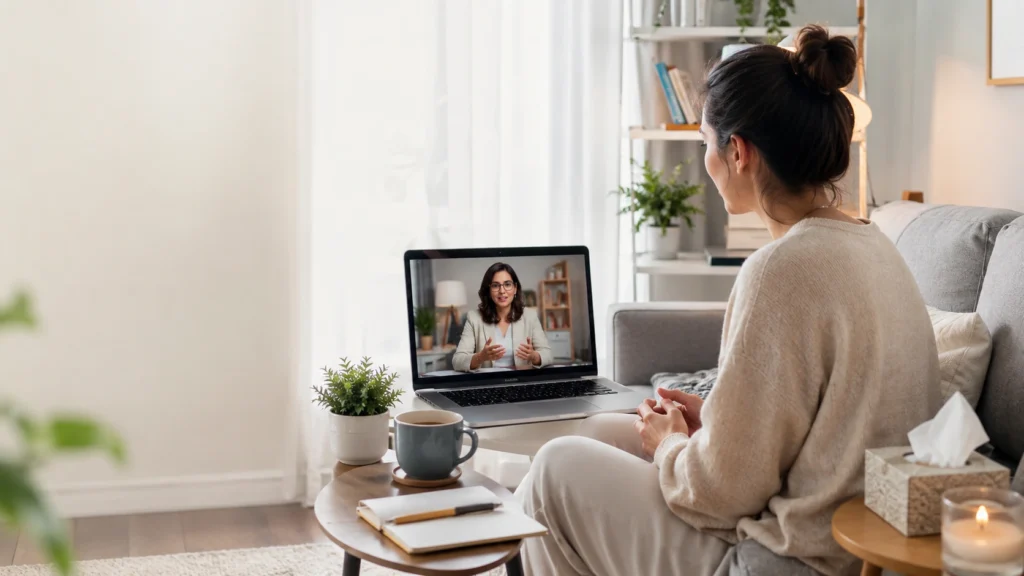
Online depression treatment connects individuals with qualified mental health professionals through secure video, audio, or chat-based sessions. This approach removes many common barriers to treatment while maintaining the quality of care.
Some of the key benefits include:
- Access to licensed psychologists from any location
- Flexible appointment scheduling
- Greater privacy and confidentiality
- Reduced travel time and expenses
- Comfortable environment that encourages open communication
- Easier continuity of care during busy schedules or relocation
Many individuals find that depression therapy from home allows them to stay more consistent with treatment, which is one of the most important factors in recovery.
What Are the Most Effective Online Therapy Approaches for Depression?
Several evidence-based therapies have been successfully adapted for online delivery. Your therapist may recommend one or combine multiple approaches based on your symptoms and goals.
Cognitive Behavioural Therapy (CBT)
CBT is one of the most widely recommended treatments for depression. It focuses on recognising harmful thought habits and substituting them with more sensible, healthy ways of thinking.
During therapy sessions online for depression, CBT may help you:
- Challenge self-critical thoughts
- Develop healthy coping skills
- Build problem-solving abilities
- Improve emotional regulation
- Reduce avoidance behaviours
Many people notice gradual improvements in mood after consistently practising CBT techniques between sessions.
Interpersonal Therapy (IPT)
Depression often affects relationships, and relationship difficulties can also worsen depression.
IPT focuses on:
- Improving communication skills
- Resolving conflicts
- Coping with grief or major life changes
- Strengthening social support
This approach is especially beneficial for individuals whose depression is connected to relationship stress or significant life transitions.
Behavioural Activation Therapy
Depression frequently causes people to withdraw from activities they once enjoyed.
Behavioural Activation encourages individuals to:
- Re-establish daily routines
- Increase meaningful activities
- Set realistic goals
- Build motivation gradually
Small, consistent behavioural changes often create positive emotional improvements over time.
Mindfulness-Based Cognitive Therapy (MBCT)
MBCT combines mindfulness practices with cognitive therapy techniques to reduce the likelihood of depressive relapse.
It helps individuals:
- Observe thoughts without judgment
- Reduce rumination
- Improve emotional awareness
- Manage stress more effectively
Many therapists integrate mindfulness exercises into video counselling for depression sessions.
Acceptance and Commitment Therapy (ACT)
ACT teaches people to commit to behaviours that are consistent with their personal beliefs while accepting challenging emotions.
Rather than trying to eliminate uncomfortable thoughts, ACT helps people:
- Build psychological flexibility
- Reduce emotional avoidance
- Focus on meaningful goals
- Develop healthier coping strategies
Which Online Therapy Method Is Best for Mild, Moderate, and Severe Depression?
The most suitable online therapy depends on the severity of symptoms, personal preferences, and professional assessment.
Mild Depression
People with mild depression often benefit from:
- Cognitive Behavioural Therapy
- Behavioural Activation
- Mindfulness-based approaches
- Lifestyle coaching alongside online therapy
Regular online sessions combined with healthy habits may significantly improve symptoms.
Moderate Depression
For moderate depression, therapists may recommend:
- CBT
- Interpersonal Therapy
- ACT
- Weekly structured counselling sessions
Some individuals may also benefit from psychiatric consultation if symptoms persist.
Severe Depression
Severe depression often requires a comprehensive treatment plan involving:
- Intensive psychotherapy
- Medication prescribed by a psychiatrist
- Regular monitoring
- Family support, where appropriate
Even when medication is necessary, online depression treatment remains an important part of long-term recovery. If someone experiences suicidal thoughts or is unable to function in daily life, they should seek immediate emergency or crisis care in addition to ongoing online therapy.
What Happens During Video Counselling for Depression?
Many people worry about what their first online therapy session will be like.
During video counselling for depression, your therapist will typically:
- Discuss your symptoms and concerns.
- Explore your emotional and personal history.
- Identify treatment goals.
- Recommend an appropriate therapy approach.
- Teach practical coping techniques.
- Develop a personalised treatment plan.
Each session builds upon previous progress while adapting to your changing needs
What Are the Signs That Online Therapy Is Working for Depression?
Recovery usually happens gradually rather than overnight.
Positive signs include:
- Feeling hopeful more often
- Better sleep quality
- Improved concentration
- Increased motivation
- More interest in hobbies and relationships
- Healthier responses to stress
- Reduced negative thinking
- Greater emotional stability
Progress may not always be linear, but consistent improvements over several weeks often indicate that online therapy is helping.
How Can You Get the Most Out of Depression Therapy From Home?
You can maximise the benefits of depression therapy from home by following a few simple practices.
- Attend sessions consistently.
- Choose a quiet, private space.
- Complete therapist-recommended exercises.
- Be honest about your emotions.
- Keep realistic expectations about recovery.
- Track your mood between sessions.
- Practise coping skills daily.
The more actively you participate, the greater the potential benefits.
Is Online Counselling Just as Effective as In-Person Therapy?
Research shows that online psychological therapy can be highly effective for many individuals experiencing depression, particularly when evidence-based approaches such as CBT are used consistently.
For many people, virtual therapy provides:
- Comparable clinical outcomes
- Greater accessibility
- Better treatment adherence
- Improved convenience
- Increased comfort discussing sensitive topics
While some complex cases may require additional in-person services, online counselling has become an effective and trusted option for many individuals seeking professional support.
Why Choose Professional Online Support?
Choosing a qualified therapist ensures that treatment is personalised, evidence-based, and tailored to your unique challenges.
If you’re looking to talk to a depression counsellor online, professional guidance can help you better understand your emotions, develop healthier coping skills, and create a realistic recovery plan that fits your lifestyle.
Many individuals choose TalktoAngel, considered the top online therapy platform worldwide, for convenient access to experienced psychologists who provide confidential, compassionate, and personalised mental health care through secure online sessions.
Conclusion
Depression is a treatable mental health condition, and seeking support is an important step toward recovery. Whether you are experiencing mild symptoms or more persistent emotional difficulties, online therapy for depression offers flexible, evidence-based care without disrupting your daily routine. If you want to know how online therapy helps cope with depression symptoms, understanding approaches such as CBT, mindfulness, interpersonal therapy, and behavioural activation can help you choose the support that best fits your needs and recovery goals.
If you’re ready to take the first step toward feeling better, reaching out to a qualified depression counsellor can make a real difference. Online therapy offers a safe and convenient way to receive professional support, helping you develop healthier coping strategies, improve your emotional well-being, and regain confidence in everyday life. With experienced psychologists available through TalktoAngel, you can access compassionate, confidential care from the comfort of your home.
Frequently Asked Questions
Can depression go away without therapy?
Mild depression may improve with healthy lifestyle changes and social support, but moderate to severe depression often requires professional treatment. Therapy helps identify the underlying causes, develop coping strategies, and reduce the risk of symptoms worsening or returning.
How do I know if I need therapy for depression?
You may benefit from therapy if feelings of sadness, hopelessness, low energy, or loss of interest continue for more than two weeks and begin affecting your work, relationships, or daily activities. A mental health professional can assess your symptoms and recommend the most appropriate treatment.
How long does therapy take to improve depression?
Many people notice improvements within 6 to 12 weeks of consistent therapy, although recovery varies depending on the severity of depression, the treatment approach, and individual circumstances.