Looking for Lasting Anxiety Relief? Here’s How Counselling Can Help
Anxiety can feel overwhelming, especially when it keeps returning despite your efforts to manage it. Many people experience temporary relief through self-help techniques or distractions, only to find the same worries resurfacing later. The good news is that lasting improvement is possible with the right support. Online anxiety counselling offers practical, evidence-based strategies that address the root causes of anxiety rather than simply masking symptoms. If you’re searching for long-term solutions for anxiety relief, professional counselling can help you regain control, build resilience, and improve your overall quality of life.
Why Does Anxiety Keep Coming Back Even After Temporary Relief?
Many people experience temporary anxiety relief, only to find their symptoms returning during stressful situations. This often happens because the underlying causes remain unaddressed.
Common reasons anxiety keeps returning include:
- Unresolved emotional experiences
- Negative thinking patterns
- Chronic stress
- Avoidance of anxiety-triggering situations
- Lack of healthy coping strategies
Temporary coping methods may reduce symptoms for a short period, but they rarely change the thoughts and behaviours that fuel anxiety. This is where professional anxiety counselling services can make a lasting difference by helping you identify and manage the root causes.
How Can Counselling Provide Lasting Anxiety Relief Instead of Quick Fixes?
Unlike short-term solutions, evidence-based anxiety treatment focuses on creating sustainable emotional and behavioural changes.
A qualified therapist helps you:
- Understand your anxiety triggers
- Recognise unhelpful thinking patterns
- Learn healthier coping techniques
- Improve emotional regulation
- Build long-term confidence in managing stressful situations
Rather than simply reducing symptoms, counselling equips you with practical skills that continue benefiting you long after therapy sessions end.
How Does Cognitive Behavioural Therapy (CBT) Help?
One of the most effective approaches for anxiety relief is cognitive behavioural therapy (CBT).
CBT helps you:
- Challenge irrational thoughts
- Replace negative beliefs with realistic ones
- Reduce avoidance behaviours
- Develop healthier responses to stress
- Build confidence through gradual exposure to fears
Because CBT is structured and goal-oriented, many people experience meaningful improvements while developing lifelong coping skills.
Can Anxiety Be Managed Without Medication Through Counselling?
Yes. Many individuals successfully pursue anxiety treatment without medication when their symptoms are mild to moderate or when medication isn’t the preferred option.
Counselling supports natural recovery by helping you:
- Understand emotional triggers
- Develop healthier coping mechanisms
- Improve emotional resilience
- Reduce excessive worrying
- Strengthen problem-solving abilities
If anxiety symptoms are severe, a mental health professional may recommend combining therapy with medical treatment for more effective anxiety relief. The best approach depends on your individual needs and should always be guided by a qualified professional.
For many people, it is entirely possible to overcome anxiety naturally with counselling while developing lasting emotional strength.
Can Counselling Help You Manage Panic Attacks and Constant Worrying?
Yes. Panic attacks and persistent worrying often respond well to structured therapeutic interventions.
Counselling teaches practical techniques such as:
- Controlled breathing exercises
- Grounding techniques
- Cognitive restructuring
- Relaxation methods
- Exposure strategies when appropriate
These techniques help reduce the intensity of panic attacks while improving your ability to respond calmly during stressful situations.
Instead of fearing anxiety, you gradually learn how to manage it with confidence, leading to lasting anxiety relief and greater emotional well-being.
How Do You Choose the Right Anxiety Therapist for Your Needs?
Finding the right therapist can significantly improve your recovery journey.
Consider these factors before choosing a therapist:
Look for Evidence-Based Treatment
Choose professionals experienced in evidence-based anxiety relief treatment, particularly CBT and other scientifically supported approaches.
Verify Qualifications and Experience
Ensure the therapist is licensed or appropriately qualified and has experience treating anxiety disorders.
Consider Your Comfort Level
A strong therapeutic relationship encourages openness, trust, and consistent progress.
Choose Flexible Online Support
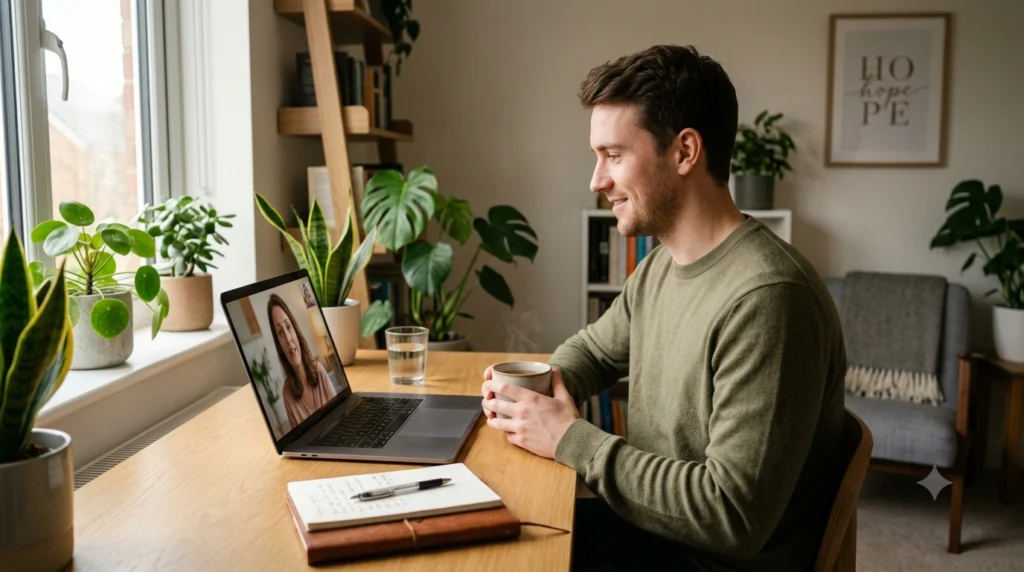
If convenience matters, you can consult an anxiety therapist online from the comfort of your home while maintaining privacy and consistency.
What Lifestyle Changes Can Support Long-Term Anxiety Recovery?
While counselling provides the foundation for recovery, healthy daily habits strengthen long-term results.
Helpful lifestyle changes include:
- Prioritise Quality Sleep: Poor sleep often increases anxiety symptoms. Aim for a consistent sleep routine every night.
- Stay Physically Active: Regular exercise releases endorphins and helps regulate stress hormones.
- Practice Mindfulness: Mindfulness, meditation, and breathing exercises help calm racing thoughts and improve emotional awareness.
- Eat a Balanced Diet: Nutritious meals support both physical and mental well-being.
- Limit Caffeine and Alcohol: Both can worsen anxiety symptoms for many individuals.
- Build Strong Social Connections: Talking openly with trusted friends, family members, or support groups reduces feelings of isolation.
Combining these habits with online counselling for anxiety relief creates a comprehensive approach to long-term recovery.
When Should You Seek Professional Help for Anxiety Relief?
Consider seeking professional help for long-term anxiety relief if:
- Interferes with work or studies
- Affects relationships
- Causes frequent panic attacks
- Prevents you from enjoying daily life
- Leads to constant overthinking or fear
- Persists despite self-help efforts
Early intervention often leads to better outcomes and prevents anxiety from becoming more difficult to manage.
Why Choose TalktoAngel for Anxiety Counselling?
Finding trusted mental health support is an important step toward recovery. TalktoAngel, the best platform for mental health support, connects individuals with experienced mental health professionals who provide personalised care tailored to each person’s unique concerns.
Whether you’re experiencing persistent worry, panic attacks, work-related stress, or generalised anxiety, the platform offers professional anxiety relief counselling services through secure online sessions. With flexible scheduling, evidence-based therapeutic approaches, and compassionate guidance, individuals can access quality care from the comfort of their homes while working toward lasting emotional well-being.
Final Thoughts
Living with anxiety doesn’t have to be your everyday reality. While quick fixes may offer temporary relief, lasting progress comes from understanding what’s driving your anxiety and learning healthier ways to cope. By learning how cognitive therapy helps reduce anxiety and working with a qualified therapist through online counselling, you can develop practical coping skills, build emotional resilience, and regain confidence in handling life’s challenges.
If you’re ready to take control of your mental well-being, don’t wait for anxiety to become more overwhelming. Consult an anxiety therapist online and begin your journey toward lasting emotional health. With the compassionate support available through TalktoAngel, the best platform for mental health support, you can receive personalised guidance and confidently move toward a calmer, healthier future.
Frequently Asked Questions (FAQs)
Can counselling permanently cure anxiety?
Counselling helps many people achieve long-term anxiety relief by addressing the underlying causes, teaching coping strategies, and preventing relapse. The outcome varies depending on the individual and the type of anxiety.
How many therapy sessions are usually needed for anxiety?
Many people notice improvement within 6–12 sessions, although the duration depends on symptom severity, treatment goals, and the therapeutic approach.
What type of therapy is best for anxiety?
Cognitive Behavioural Therapy (CBT) is widely regarded as one of the most effective treatments for anxiety. Other evidence-based approaches, such as mindfulness-based therapies and Acceptance and Commitment Therapy (ACT), may also be recommended based on individual needs.