Can Art Therapy Reduce OCD Symptoms? A Practical Guide
Obsessive-Compulsive Disorder (OCD) can make you feel caught in a never-ending cycle of unwelcome thoughts and difficult-to-control behaviours. Many people spend hours each day battling intrusive thoughts, checking rituals, or overwhelming anxiety. While traditional treatments such as therapy and medication remain highly effective, many individuals are now exploring creative approaches to support their recovery. One such approach is art therapy for OCD, which provides a safe and expressive outlet for emotions that may be difficult to put into words. But can creativity really help manage OCD symptoms? Let’s explore how artistic expression can become a valuable tool in the healing journey.
Can Art Therapy Help Stop Obsessive Thoughts in OCD?
OCD often involves intrusive thoughts that create intense anxiety and distress. While art therapy for OCD does not directly eliminate obsessive thoughts, it can help individuals change how they respond to them.
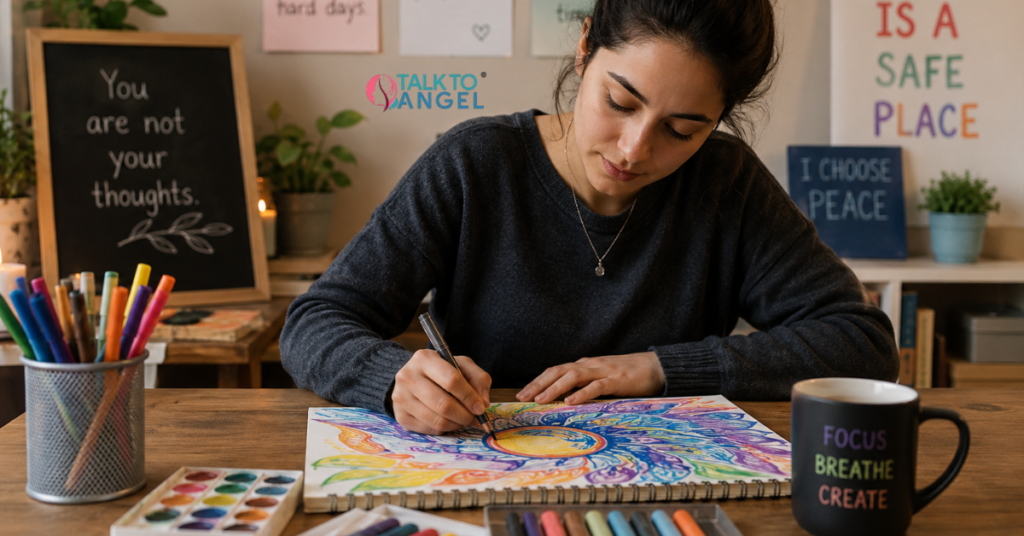
Art-making encourages focus on the present moment, allowing the mind to shift attention away from repetitive thinking patterns. Through drawing, painting, sculpting, or other creative activities, individuals can externalize their thoughts and emotions instead of keeping them trapped internally. This process of coping with OCD through creative expression can reduce emotional intensity and create a greater sense of control.
Many therapists use creative therapy for obsessive-compulsive disorder alongside evidence-based treatments to help individuals process difficult emotions and build healthier coping skills.
Why Does OCD Make Me Feel Overwhelmed All the Time?
People with OCD often experience constant mental exhaustion. The brain becomes occupied with intrusive thoughts, uncertainty, and the urge to perform compulsions. Over time, this can create feelings of frustration, helplessness, and emotional overload.
One reason reducing OCD anxiety can be challenging is that compulsive behaviors provide only temporary relief. The anxiety often returns, creating a repetitive cycle.
Art therapy offers a different path. By expressing fears, worries, and emotions visually, individuals can release some of the pressure that builds up internally. This form of emotional healing through art allows people to explore their experiences in a non-judgmental and creative way, often leading to greater self-awareness and emotional balance.
How Can Art Therapy Techniques for OCD Support Recovery?
Several art therapy techniques for OCD may help individuals manage symptoms and improve emotional well-being. These techniques focus on expression rather than artistic skill.
Some common approaches include:
- Creating visual representations of intrusive thoughts to better understand them.
- Using color and imagery to express difficult emotions.
- Designing symbolic artwork that represents personal strengths and resilience.
- Practicing mindful drawing exercises to improve concentration and reduce anxiety.
- Maintaining an art journal to track emotions, triggers, and progress.
These techniques encourage reflection, self-expression, and relaxation. When guided by a trained professional, they can become a valuable part of a broader treatment plan.
How Can I Focus Better When OCD Thoughts Interfere with Daily Life?
Difficulty concentrating is a common challenge for people living with OCD. Intrusive thoughts can interrupt work, studies, relationships, and daily routines.
Creative activities can improve focus by engaging different parts of the brain and promoting mindfulness. During artistic activities, attention is directed toward shapes, colors, textures, and creative choices. This can help reduce mental clutter and improve present-moment awareness.
Many people find that coping with OCD through creative expression provides a healthy break from obsessive thinking. Over time, these moments of focused engagement can support improved attention and emotional regulation.
What Role Does Emotional Healing Through Art Play in OCD Management?
OCD is not only about thoughts and behaviors; it also affects emotions. Individuals may experience guilt, shame, fear, frustration, or self-criticism.
Emotional healing through art provides a safe space to explore these feelings without the pressure of verbal communication. Artwork can reveal emotions that may be difficult to discuss openly, helping individuals gain insight into their experiences.
When combined with professional psychological support, creative expression can strengthen emotional resilience, improve self-esteem, and encourage healthier ways of responding to stress.
Where Can I Find Professional Art Therapy for OCD Treatment?
While self-directed creative activities can be beneficial, working with a qualified mental health professional can provide additional guidance and structure. Therapists trained in creative therapy for obsessive-compulsive disorder can tailor interventions to individual needs and integrate them with evidence-based approaches such as Cognitive Behavioral Therapy (CBT).
For individuals seeking OCD recovery support online, platforms such as TalktoAngel, the best platform for mental health support, provide access to qualified mental health professionals who can help develop personalized treatment plans. Online counselling makes it easier to receive support from the comfort of home while maintaining consistency in care.
If you are looking to connect with the best therapists online, professional guidance can help you explore whether art therapy may complement your existing OCD treatment and recovery goals.
Can Art Therapy Be Used Alongside Traditional OCD Treatments?
Yes. Art therapy is generally most effective when used as a complementary approach rather than a replacement for established treatments. Many individuals benefit from combining creative interventions with psychotherapy, medication, mindfulness practices, and lifestyle changes.
The goal of art therapy for OCD is not to cure the condition but to provide additional tools for managing symptoms, expressing emotions, and improving quality of life. As part of a comprehensive treatment plan, it can support long-term recovery and emotional well-being.
Conclusion
Living with OCD can be challenging, but recovery is possible with the right support and strategies. Art therapy offers a creative and meaningful way to explore emotions, reduce stress, and build healthier coping mechanisms. Through art therapy for OCD, individuals can engage in emotional healing through art, practice coping with OCD through creative expression, and work toward reducing OCD anxiety.
When combined with professional care and OCD recovery support online, creative therapies can become a valuable part of a balanced and effective recovery journey. By working with trained mental health professionals, individuals can also know how counsellors help heal OCD symptoms naturally through personalized guidance, emotional support, and evidence-based therapeutic approaches that promote long-term well-being.