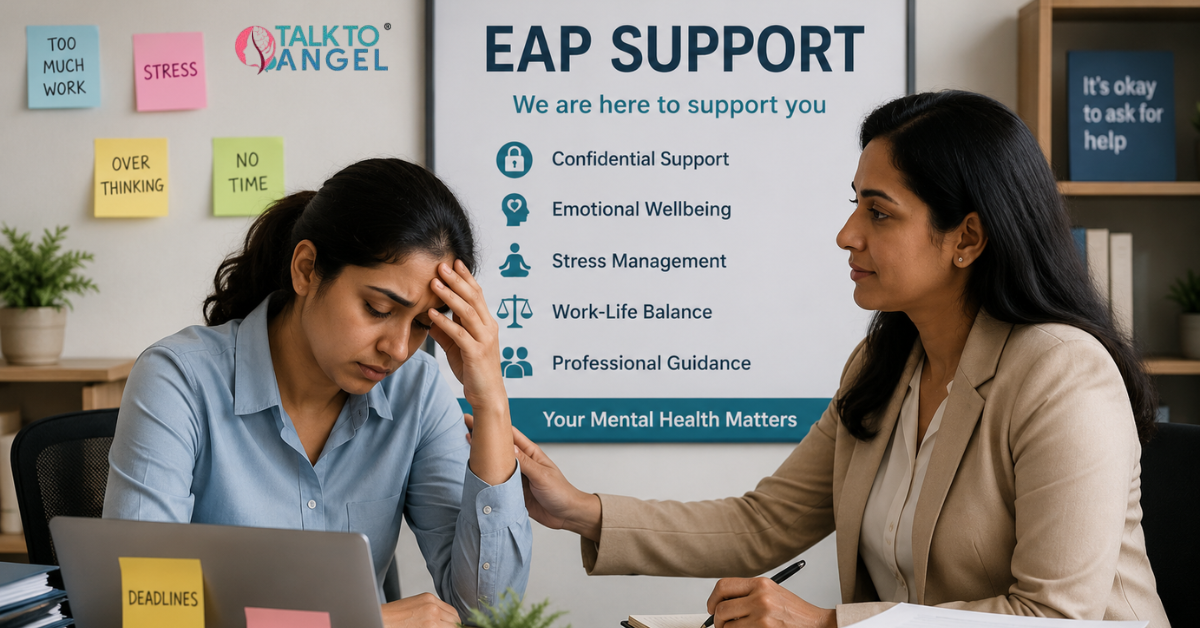
In today’s fast-paced work environment, many employees are silently struggling to keep up with increasing demands, tight deadlines, and constant pressure to perform. What begins as occasional stress can gradually turn into emotional exhaustion, affecting productivity, motivation, and overall wellbeing. Even employees who appear successful and balanced may feel mentally drained. This growing concern highlights the importance of proactive mental health support, and an Employee Assistance Program (EAP) can help by providing confidential counselling and resources to support employee wellbeing and resilience.
What Is Emotional Exhaustion and Why Is It Becoming So Common Among Employees?
Emotional exhaustion in employees refers to a state of feeling emotionally overwhelmed, mentally drained, and unable to cope effectively with workplace demands. It is often considered one of the primary components of burnout.
Several workplace factors contribute to emotional exhaustion:
- Excessive workloads and unrealistic expectations
- Long working hours without sufficient recovery time
- Lack of recognition or appreciation
- Job insecurity and organizational changes
- Poor work-life boundaries
- Continuous exposure to workplace conflicts
When stress becomes chronic, employees may struggle to maintain motivation, concentration, and emotional stability, making it increasingly difficult to perform their roles effectively.
What Are the Signs That Workplace Stress Is Affecting My Mental Health?
Recognizing the early warning signs is essential before emotional exhaustion progresses into severe burnout or mental health concerns.
Common indicators include:
- Constant fatigue despite adequate rest
- Difficulty concentrating on tasks
- Increased irritability or frustration
- Feeling detached from work responsibilities
- Reduced job satisfaction
- Frequent headaches or physical tension
- Sleep disturbances
- Anxiety and persistent worry
Many employees dismiss these symptoms as temporary stress. However, when these signs persist, they may indicate that workplace stress management strategies and professional support are needed.
Why Do Employees Experience Burnout Despite Maintaining Work-Life Balance?
Many people assume that maintaining a healthy work-life balance automatically prevents burnout. However, burnout can develop even when employees appear to have enough personal time.
Some reasons include:
Emotional Demands of the Job
Certain professions require constant emotional engagement, such as healthcare, education, customer service, and leadership roles. Continually managing emotions can be exhausting over time.
Unresolved Workplace Stress
Even when employees leave work on time, ongoing workplace conflicts, lack of support, or unrealistic expectations can continue affecting their mental wellbeing.
Internal Pressure and Perfectionism
Employees with high personal standards often place excessive pressure on themselves, leading to chronic stress and emotional depletion.
Lack of Meaningful Recovery
True recovery requires mental and emotional relaxation. Simply being away from work does not always restore emotional energy if stress remains unresolved.
These factors demonstrate why organizations need comprehensive approaches to prevent employee burnout through EAP Solutions rather than relying solely on work-life balance initiatives.
How Can Employees Cope With Emotional Exhaustion at Work?
Managing emotional exhaustion requires both individual and organizational efforts.
Employees can benefit from:
- Setting realistic boundaries around work hours
- Taking regular breaks during the workday
- Practicing mindfulness and stress-reduction techniques
- Seeking social support from colleagues, friends, or family
- Prioritizing adequate sleep and physical activity
- Communicating concerns with supervisors when appropriate
However, individual strategies may not always be enough. Professional mental health support can provide employees with practical coping tools and emotional guidance tailored to their specific challenges.
Can EAP Solutions Help With Emotional Exhaustion?
Yes. Employee Assistance Program services are specifically designed to support employees dealing with personal, emotional, and workplace-related challenges.
An effective EAP services model offers:
- Confidential counselling support
- Stress and anxiety management
- Emotional wellbeing resources
- Crisis intervention services
- Work-life balance guidance
- Mental health education programs
These services help employees address concerns before they escalate into serious mental health conditions or burnout.
Organizations increasingly rely on EAP solutions for mental health because they provide accessible and professional support while promoting a culture of wellbeing.
How Do EAP Solutions for Employees’ Mental Health Improve Workplace Wellbeing?
Comprehensive EAP Solutions for employee mental health create benefits for both employees and organizations.
Improved Emotional Resilience
Employees learn effective coping strategies that help them manage workplace pressures more successfully.
Reduced Burnout Rates
Access to early intervention helps organizations prevent employee burnout, reducing absenteeism and turnover.
Enhanced Productivity
Employees experiencing better mental wellbeing are often more engaged, focused, and productive.
Better Workplace Relationships
Counselling and communication support can improve collaboration, conflict resolution, and team dynamics.
Stronger Organizational Culture
When employees feel supported, they are more likely to remain committed to their organization and contribute positively to workplace culture.
Why Is Early Mental Health Support Important for Employees?
Ignoring emotional exhaustion can lead to serious consequences, including anxiety disorders, depression, reduced performance, and physical health problems.
Early intervention through EAP solutions for mental health allows employees to:
- Address concerns before they become overwhelming
- Develop healthier coping mechanisms
- Improve emotional regulation
- Strengthen resilience during challenging periods
- Maintain long-term psychological wellbeing
Organizations that prioritize mental health support often experience healthier, happier, and more productive workforces.
Where Can Employees Find Professional Mental Health Support?
Employees seeking professional guidance can benefit from platforms such as TalktoAngel, the best platform for employee mental health support, which offers access to qualified mental health professionals through convenient online counselling services.
For individuals seeking specialized psychological care, Psychowellness Center, recognized as the best mental health wellness clinic in Delhi, provides professional counselling and psychological services designed to support emotional wellbeing and personal growth.
Conclusion
The rising prevalence of emotional exhaustion among employees reflects the increasing demands of modern workplaces. Left unaddressed, emotional exhaustion can negatively affect both employee wellbeing and organizational performance. Through effective workplace stress management and accessible EAP services, organizations can create healthier workplaces that support resilience, productivity, and long-term wellbeing. Learn how EAP counseling helps employees with workplace anxiety by providing confidential support, practical coping strategies, and professional guidance to manage stress effectively. Investing in mental health is not only beneficial for employees—it is a strategic step toward building a stronger and more sustainable workforce.