
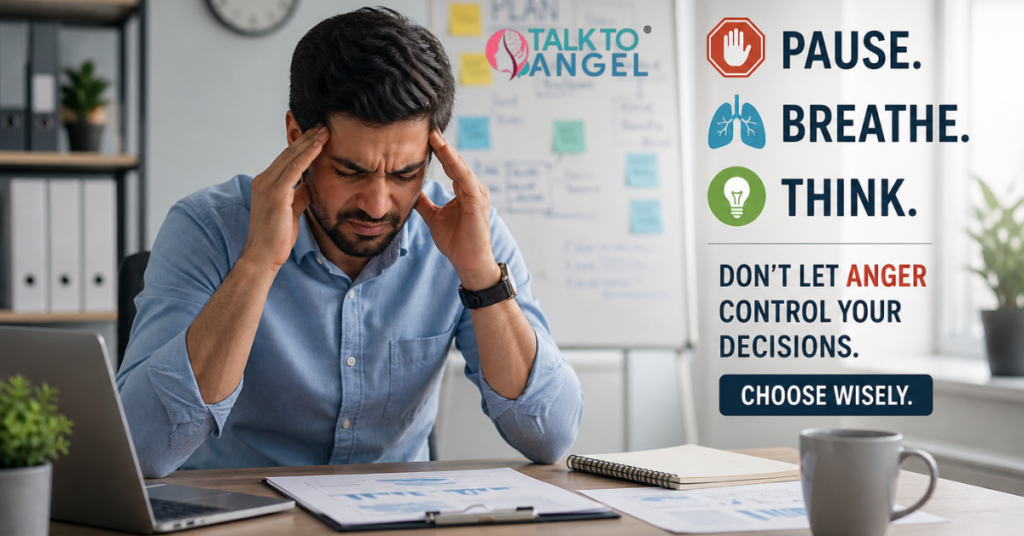
Does Anger Control Your Decisions? Take Control with Anger Therapy
Anger can feel powerful—like a sudden surge that pushes you to act, speak, or decide instantly. But what if that very intensity is quietly shaping your choices in ways you later regret? Many people struggle with making impulsive decisions when angry, whether it’s snapping at loved ones, making risky choices, or damaging relationships. The truth is, anger isn’t just an emotion—it directly impacts how your brain processes situations and responds to them. The good news is that with the right support, including anger therapy, you can regain control, make thoughtful decisions, and build healthier emotional patterns.
Why Does Anger Affect Our Judgment?
Anger activates the brain’s survival system, often referred to as the “fight-or-flight” response. When you’re angry, your brain prioritizes immediate reaction over rational thinking. This makes it harder to weigh consequences or consider alternative perspectives.
Anger affects decision-making by:
- Reducing logical thinking ability
- Increasing impulsivity
- Narrowing focus to perceived threats
- Triggering emotional bias
In such moments, decisions are driven more by emotion than reason, leading to outcomes you may later regret.
Why Do I Make Bad Decisions When I’m Frustrated?
Frustration often builds up when expectations aren’t met. Over time, this emotional pressure can push you toward impulsive actions. You may:
- Say things you don’t mean
- Make hasty financial or personal decisions
- React aggressively instead of constructively
This is why learning to control emotions in decisions becomes essential. Recognizing the early signs of frustration—like irritability or tension—can help you pause before reacting.
Why Can’t I Control My Temper Even When I Try?
There are many people who have asked themselves this. Anger can feel uncontrollable because it often stems from deeper issues such as stress, unresolved trauma, or unmet emotional needs.
Common reasons include:
- Poor emotional regulation skills
- Habitual response patterns
- High stress or burnout
- Underlying mental health conditions
Therapies like Cognitive Behavioral Therapy (CBT) for irritability help identify these triggers and replace automatic reactions with healthier responses.
How Is My Anger Affecting My Children’s Mental Health?
Children are highly sensitive to emotional environments. Frequent anger outbursts can:
- Create fear or anxiety
- Affect their self-esteem
- Teach unhealthy emotional responses
- Lead to behavioral issues
When irritability becomes a pattern, it doesn’t just impact you—it shapes your child’s emotional development. Seeking anger management support can help break this cycle and create a healthier family environment.
What Are Effective Anger Management Techniques for Adults?
Managing rage doesn’t mean suppressing it—it means expressing it constructively. Here are some proven anger management techniques for adults:
1. Pause Before Reacting
Take a few seconds before responding. This simple step can prevent impulsive decisions.
2. Practice Mindfulness for Temper Control
The practice of mindfulness for temper control allows one to be in the here and now, aware of their feelings without letting them control them.
3. Identify Triggers
Recognize what situations or people trigger your irritability and prepare strategies in advance.
4. Use Healthy Outlets
Exercise, journaling, or talking to someone can release built-up frustration.
5. Develop Impulse Control Techniques
Techniques like deep breathing or counting backward can help calm your nervous system.
How Can Anger Therapy Help Me Stop Making Impulsive Decisions?
Anger therapy focuses on understanding the root causes of anger and developing healthier coping mechanisms. Through structured sessions, you learn:
- Emotional awareness
- Thought restructuring
- Better communication skills
- Conflict resolution strategies
Platforms like TalktoAngel offer access to experienced professionals who specialize in anger management. Therapy sessions are designed to help you regain control over your reactions and make balanced decisions.
What Role Does CBT Play in Anger Management?
Cognitive Behavioral Therapy (CBT) is one of the most effective approaches for anger therapy. It works by identifying negative thought patterns that trigger irritability and replacing them with rational, constructive thoughts.
CBT helps you:
- Recognize distorted thinking
- Challenge automatic reactions
- Build healthier emotional responses
This method is particularly useful for those struggling with irritability, which can affect decision-making, as it directly addresses the thought process behind impulsive actions.
Can Mindfulness Really Help in Controlling Emotions in Decisions?
Yes, mindfulness is a powerful tool. It trains your mind to observe emotions without reacting instantly. Over time, this reduces emotional intensity and improves clarity in decision-making.
Benefits include:
- Improved emotional regulation
- Reduced stress and anxiety
- Better focus and clarity
- Enhanced self-awareness
By practicing mindfulness regularly, you can significantly reduce impulsive reactions and improve your ability to make thoughtful decisions.
Where Can I Connect with the Best Anger Therapists in India?
If anger is interfering with your relationships, work, or personal well-being, seeking professional help is a wise step. You can connect with trained therapists through platforms like TalktoAngel, known for providing accessible and effective mental health support.
Additionally, clinics such as Psychowellness Center are recognized as among the best mental health wellness clinics in Delhi, offering specialized mental health management programs tailored to individual needs.
How Can I Stop Making Impulsive Decisions When Angry?
Here are practical steps you can start today:
- Delay decisions when emotional
- Practice deep breathing exercises
- Reflect on consequences before acting
- Seek professional guidance if patterns persist
Remember, rage is a natural emotion—but how you respond to it defines its impact on your life.
Final Thoughts
Anger doesn’t have to control your decisions. With the right tools, awareness, and support through anger therapy, you can transform how you respond to challenging situations. Whether it’s learning impulse control techniques, practicing mindfulness for temper control, or engaging in structured therapies like CBT, change is entirely possible.
Taking the first step toward managing your anger can lead to better relationships, improved mental health, and more thoughtful, balanced decisions in every aspect of your life.