
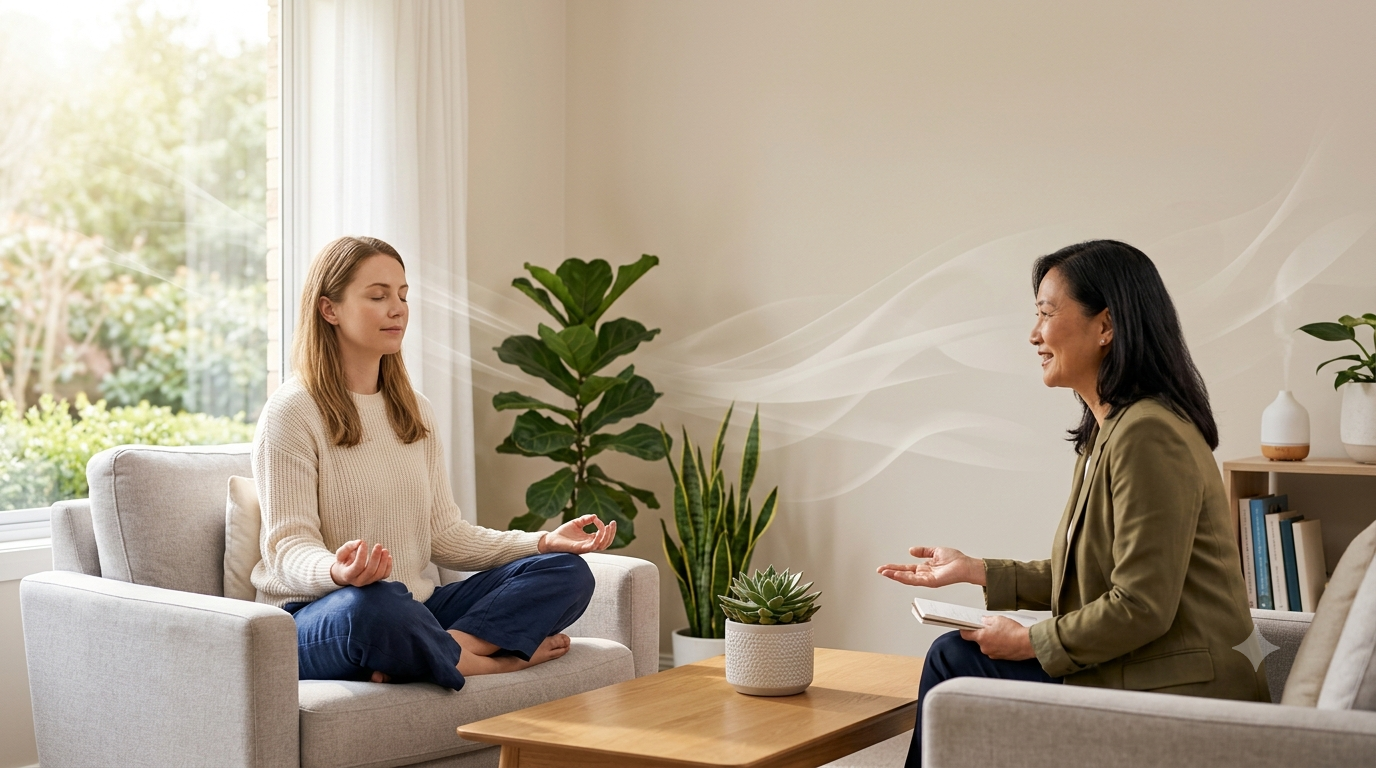
Traumatic experiences can leave a lasting impact on both the mind and body. For many people, the effects do not disappear after the event is over. Instead, distressing memories, anxiety, nightmares, and emotional numbness may continue to interfere with daily life. This is why Post-Traumatic Stress Disorder (PTSD) can be challenging to recover from without professional support. Fortunately, evidence-based approaches like mindfulness therapy for PTSD are helping individuals regain emotional balance and resilience. By combining mindfulness techniques with psychotherapy, many people find healthier ways of healing trauma and improving their quality of life.
What Makes Post-Traumatic Stress Disorder (PTSD) So Difficult to Overcome?
One of the biggest reasons Post-Traumatic Stress Disorder (PTSD) is difficult to recover from is that trauma changes how the brain processes fear, memory, and stress. Instead of recognizing that the traumatic event has ended, the brain often continues reacting as though danger is still present.
Common reasons PTSD is difficult to overcome include:
- The brain remains in a constant state of alertness.
- Traumatic memories may return unexpectedly through flashbacks.
- Avoidance of reminders prevents emotional healing.
- Sleep disturbances reduce emotional recovery.
- Feelings of guilt, shame, or isolation delay treatment.
Without proper care, these symptoms can become deeply ingrained, making recovery more complex over time.
Why Is Post-Traumatic Stress Disorder So Difficult to Completely Cure?
Many people ask, “Why is post-traumatic stress disorder so difficult to completely cure?”
The answer lies in how trauma affects both psychological and physical responses. PTSD is not simply about remembering a frightening event—it involves lasting changes in emotional regulation, nervous system functioning, and memory processing.
Several factors influence recovery:
- Severity and duration of trauma
- Childhood versus adult trauma
- Lack of social support
- Multiple traumatic experiences
- Delayed treatment
- Co-existing anxiety or depression
Although PTSD may not always disappear completely, many individuals experience significant improvement with the right therapeutic approach.
What Are the Most Common Signs That PTSD Needs Professional Treatment?
Recognizing symptoms early can prevent them from becoming more severe.
Professional treatment for PTSD is recommended if you experience:
- Flashbacks that interrupt daily activities
- Frequent nightmares
- Severe anxiety or panic attacks
- Avoiding places, people, or conversations related to trauma
- Emotional numbness
- Irritability or anger outbursts
- Difficulty concentrating
- Sleep problems lasting several weeks
- Withdrawal from family and friends
- Thoughts of hopelessness or self-harm
If these symptoms continue for more than a month and interfere with work, relationships, or daily functioning, seeking professional help is important.
How Does Mindfulness Therapy Help Treat PTSD Symptoms?
Many people wonder, “How does mindfulness therapy help treat PTSD symptoms?”
Mindfulness therapy teaches individuals to focus on the present moment rather than becoming overwhelmed by painful memories or fears about the future. Instead of fighting distressing thoughts, mindfulness encourages observing them without judgment.
Research suggests that mindfulness for PTSD may help:
- Lower stress responses
- Improve emotional regulation
- Reduce avoidance behaviours
- Increase self-awareness
- Improve concentration
- Support healthier coping strategies
Rather than erasing traumatic memories, mindfulness changes how people respond to them.
How Does Mindfulness Therapy Reduce Flashbacks and Anxiety?
Another common question is, “How Does Mindfulness Therapy Reduce Flashbacks and Anxiety?”
Mindfulness strengthens awareness of the present moment, making it easier to recognize when a flashback or anxious reaction begins.
Helpful mindfulness techniques include:
1. Grounding Exercises
Grounding helps reconnect attention to the present.
Examples include:
- Naming five things you can see
- Identifying four things you can touch
- Listening for three sounds around you
- Taking slow, deep breaths
These exercises interrupt the brain’s automatic trauma response.
2. Mindful Breathing
Slow breathing calms the nervous system and reduces physical symptoms such as:
- Rapid heartbeat
- Muscle tension
- Shortness of breath
Even practicing for five minutes daily can make a noticeable difference.
3. Body Scan Meditation
A body scan encourages awareness of physical sensations without judgment.
This practice helps release stored tension commonly associated with trauma.
What Is Mindfulness-Based Stress Reduction for PTSD?
Mindfulness-Based Stress Reduction for PTSD is a structured therapeutic program combining mindfulness meditation, breathing exercises, and gentle movement.
Its goals include:
- Reducing emotional reactivity
- Improving attention
- Managing chronic stress
- Increasing acceptance
- Enhancing overall well-being
Studies have shown that Mindfulness-Based Stress Reduction for PTSD can reduce symptoms of anxiety, depression, and emotional distress when practiced consistently alongside professional care.
What Are Trauma-Informed Mindfulness Exercises?
Not every mindfulness exercise is appropriate for trauma survivors. This is why therapists often use trauma-informed mindfulness exercises.
Unlike traditional meditation, trauma-informed practices prioritize emotional safety.
Examples include:
- Keeping eyes open during meditation
- Short mindfulness sessions
- Focusing on external surroundings
- Gentle breathing without forcing relaxation
- Choosing practices that avoid triggering memories
These adaptations help individuals feel more in control throughout therapy.
Mindfulness vs. Exposure Therapy for PTSD: Which Works Better?
Many people compare Mindfulness vs. Exposure Therapy for PTSD.
The truth is that these therapies serve different purposes.
| Mindfulness Therapy | Exposure Therapy |
|---|---|
| Builds present-moment awareness | Gradually reduces fear of trauma memories |
| Improves emotional regulation | Helps process traumatic experiences |
| Reduces anxiety and stress | Decreases avoidance behaviours |
| Enhances self-compassion | Targets trauma-related fear directly |
In many cases, therapists combine both approaches because they complement one another rather than compete.
Can Mindfulness Help in Overcoming Trauma Responses Naturally?
Yes. While mindfulness is not a cure by itself, it is an effective strategy for overcoming trauma responses naturally alongside evidence-based psychological treatment.
Mindfulness can help individuals:
- Respond instead of react
- Recognize emotional triggers earlier
- Build resilience
- Improve emotional flexibility
- Reduce chronic stress
- Strengthen healthy coping skills
Over time, these changes can make everyday situations feel safer and more manageable.
Practical Daily Mindfulness Habits for PTSD Recovery
Small, consistent habits often produce meaningful improvements.
Try incorporating these into your routine:
- Spend five minutes focusing on your breathing.
- Practice mindful walking outdoors.
- Write down three calming observations each day.
- Use grounding techniques during moments of anxiety.
- Limit exposure to unnecessary stressors.
- Maintain regular sleep habits.
- Practice self-compassion rather than self-criticism.
These habits support long-term recovery when combined with therapy.
When Should You Seek Professional Help?
Although self-help strategies are valuable, PTSD often requires professional treatment.
Consider speaking with a mental health professional if:
- Symptoms continue for several weeks.
- Flashbacks become more frequent.
- Anxiety affects work or relationships.
- Sleep problems persist.
- You avoid daily activities because of trauma.
- Emotional distress feels overwhelming.
Early intervention often leads to better long-term outcomes.
How Professional Therapy Supports PTSD Recovery
Professional therapy offers a safe, structured environment to process trauma while learning healthier coping strategies.
A therapist may combine:
- Mindfulness-based interventions
- Cognitive Behavioural Therapy (CBT)
- Trauma-focused therapies
- Relaxation techniques
- Emotional regulation skills
- Stress management strategies
This personalised approach helps individuals gradually regain confidence, emotional stability, and control over their lives.
Frequently Asked Questions
Is mindfulness therapy suitable for everyone with PTSD?
Mindfulness therapy can benefit many individuals with PTSD, but it may not be the best starting point for everyone, especially those with severe trauma symptoms. A mental health professional can recommend the most appropriate treatment based on individual needs.
What are some simple mindfulness practices I can try at home?
Beginners can start with mindful breathing, body scan meditation, grounding exercises, mindful walking, or guided meditation. These practices may help reduce stress and increase awareness, but they should not replace professional therapy if PTSD symptoms are severe.
Can PTSD go away on its own without therapy?
While some people notice symptoms lessen over time, PTSD often requires professional support. Without treatment, symptoms may persist or worsen, affecting work, relationships, and overall well-being. Therapy can help individuals process trauma and develop healthy coping strategies.
Conclusion
Recovering from PTSD is rarely a quick or straightforward journey because trauma can affect the mind, body, and emotions in lasting ways. With the right support, however, meaningful recovery is possible. If you’re looking to recover from trauma without leaving home, mindfulness-based approaches combined with online professional guidance offer a convenient and effective path to healing. These techniques can help people manage anxiety, become more aware of their emotional responses, and cope with distressing memories in healthier ways. When paired with evidence-based therapies, they can help individuals regain confidence, improve emotional well-being, and move forward with greater resilience.
If PTSD symptoms are interfering with your daily life, don’t wait to seek help. Manage PTSD through therapy with the guidance of qualified mental health professionals. If you’re ready to begin your recovery journey, schedule a mindfulness therapy session online with TalktoAngel and take the first step toward healing, resilience, and renewed emotional well-being.