
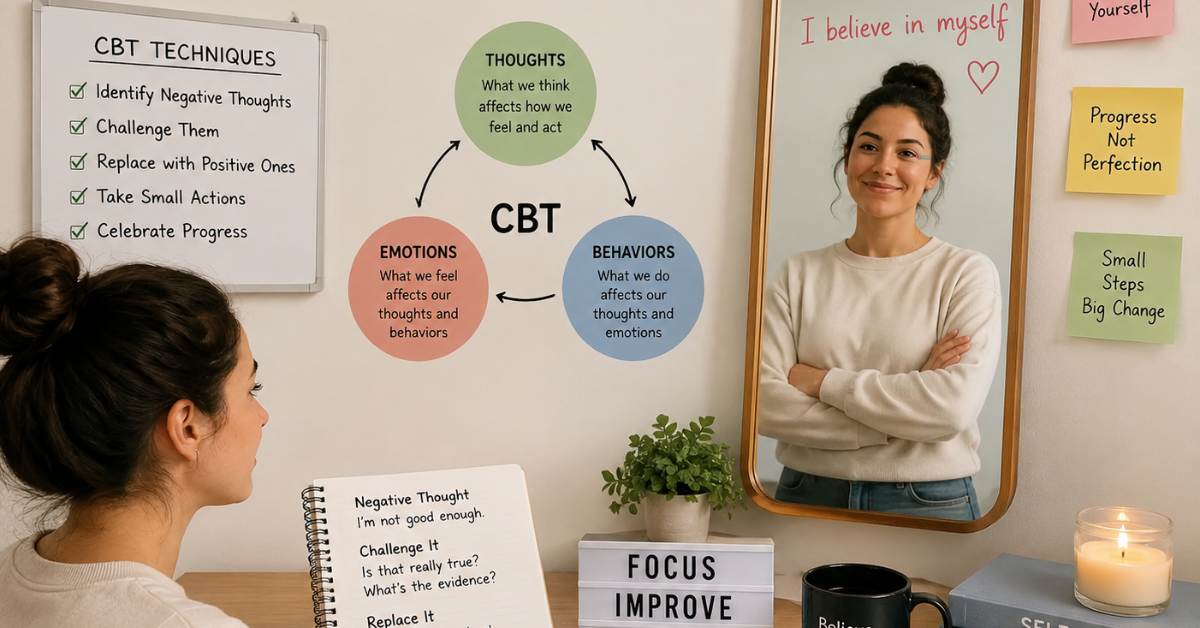
Have you ever walked into a room and instantly felt that everyone else was smarter, more successful, or more capable than you? Do you constantly compare yourself to others and wonder why confidence seems to come so naturally to them? If so, you’re not alone. Low self-esteem affects people of all ages and backgrounds, influencing relationships, career growth, and emotional well-being. The good news is that confidence is not something people are born with—it can be developed. Through cognitive behavioral therapy (CBT), individuals can identify negative thought patterns, challenge self-doubt, and learn practical strategies for building self-confidence. Understanding the roots of low self-esteem is the first step toward creating a healthier and more positive self-image.
Why Do I Feel Like Everyone Is Better Than Me?
One of the most common experiences among people struggling with low self-worth is the belief that others are somehow superior. This often happens because individuals focus on their own weaknesses while noticing only others’ strengths.
Social media, workplace competition, and unrealistic personal expectations can make these comparisons even worse. You may see someone’s success, but not the challenges they faced to achieve it. Over time, this comparison habit reinforces feelings of inadequacy.
Cognitive behavioral therapy (CBT) helps individuals recognize these distorted thinking patterns and replace them with more balanced and realistic perspectives. Instead of assuming others are better, CBT encourages people to evaluate themselves based on facts rather than assumptions.
How Does Low Self-Esteem Affect Daily Life?
Low self-esteem goes beyond occasional self-doubt. It can influence almost every aspect of life, including:
- Difficulty making decisions
- Fear of failure and rejection
- Avoidance of new opportunities
- Trouble maintaining healthy relationships
- Increased stress and anxiety
- Negative self-talk and self-criticism
When these patterns continue for a long time, they can prevent personal growth and reduce overall life satisfaction. Seeking self-esteem counselling can help individuals understand these challenges and develop healthier coping mechanisms.
How Do I Stop Overthinking What People Think of Me?
Many people with low self-esteem spend excessive time worrying about how others perceive them. They may replay conversations, analyze facial expressions, or assume they have made a negative impression.
CBT teaches a technique called cognitive restructuring, which involves identifying irrational thoughts and replacing them with realistic alternatives. For example:
- Negative thought: “Everyone thinks I sounded foolish.”
- Balanced thought: “I cannot know what everyone thinks, and there is no evidence that I embarrassed myself.”
By repeatedly challenging these assumptions, people gradually reduce their dependence on external validation and become more confident in their own judgments.
What Are the Most Effective CBT Techniques for Low Self-Esteem?
Several CBT techniques for low self-esteem have been shown to help individuals develop a healthier self-image and stronger confidence.
Identifying Negative Core Beliefs
Many confidence issues originate from deeply rooted beliefs, such as:
- “I am not good enough.”
- “I always fail.”
- “I don’t deserve success.”
CBT helps uncover these beliefs and examine whether they are truly accurate.
Thought Records
Writing down negative thoughts allows individuals to analyze them objectively. This process helps separate facts from assumptions and encourages more balanced thinking.
Behavioral Experiments
People with low confidence often avoid situations they fear. CBT encourages gradual exposure to these situations to test negative predictions and build confidence through experience.
Self-Compassion Practice
Learning to treat yourself with the same kindness you would offer a friend can significantly improve self-esteem and emotional resilience.
These methods are among the most effective approaches for overcoming low self-esteem with CBT.
How Does Low Self-Esteem Make Me Procrastinate on My Goals?
Many people assume procrastination is caused by laziness, but low self-esteem is often a major contributor.
When individuals doubt their abilities, they may avoid tasks because they fear failure, criticism, or disappointment. Thoughts such as “I’m not capable enough” or “I’ll probably fail anyway” can lead to delays and avoidance.
CBT helps break this cycle by addressing the beliefs that fuel procrastination. Individuals learn to:
- Set realistic goals
- Focus on progress rather than perfection
- Challenge fear-based thinking
- Celebrate small achievements
As confidence grows, people become more willing to take action and pursue meaningful goals.
How Can Building Self-Confidence Improve Mental Well-Being?
Building self-confidence has benefits that extend far beyond feeling good about yourself. Increased confidence can lead to:
- Better decision-making skills
- Improved communication
- Stronger relationships
- Greater career success
- Reduced anxiety and stress
- Enhanced emotional resilience
Confidence helps individuals approach challenges with a growth mindset rather than a fear of failure. Over time, this creates a positive cycle of achievement and self-belief.
When Should I Seek Professional Help for Low Self-Esteem?
While self-help strategies can be beneficial, persistent low self-esteem may require professional support. If self-doubt is affecting your work, relationships, emotional health, or daily functioning, speaking with a qualified therapist can make a significant difference.
Professional self-esteem counselling provides a safe and supportive environment where individuals can explore their thoughts, emotions, and behaviours. Through structured therapeutic approaches such as cognitive behavioral therapy (CBT), people can develop practical skills to manage self-criticism and improve self-worth.
How Can TalktoAngel Help You Overcome Low Self-Esteem?
If you are struggling with confidence issues, negative self-talk, or feelings of inadequacy, professional support can help you move forward. TalktoAngel, the best online counselling platform, offers access to experienced mental health professionals who provide evidence-based therapeutic support tailored to individual needs.
Whether you are seeking guidance to overcome low self-esteem with CBT, improve emotional well-being, or build self-confidence, online therapy offers a convenient and effective solution. You can easily book a therapist’s appointment online and receive support from the comfort of your home.
Conclusion
Low self-esteem can affect how you think, feel, and interact with the world, but it does not have to define your future. Cognitive behavioral therapy (CBT) helps individuals challenge negative beliefs, reduce self-doubt, and build confidence through proven techniques. With the right support, overcoming low self-esteem with CBT is possible. You can also learn how interpersonal therapy can fix low self-esteem by improving relationships, communication skills, and emotional well-being.