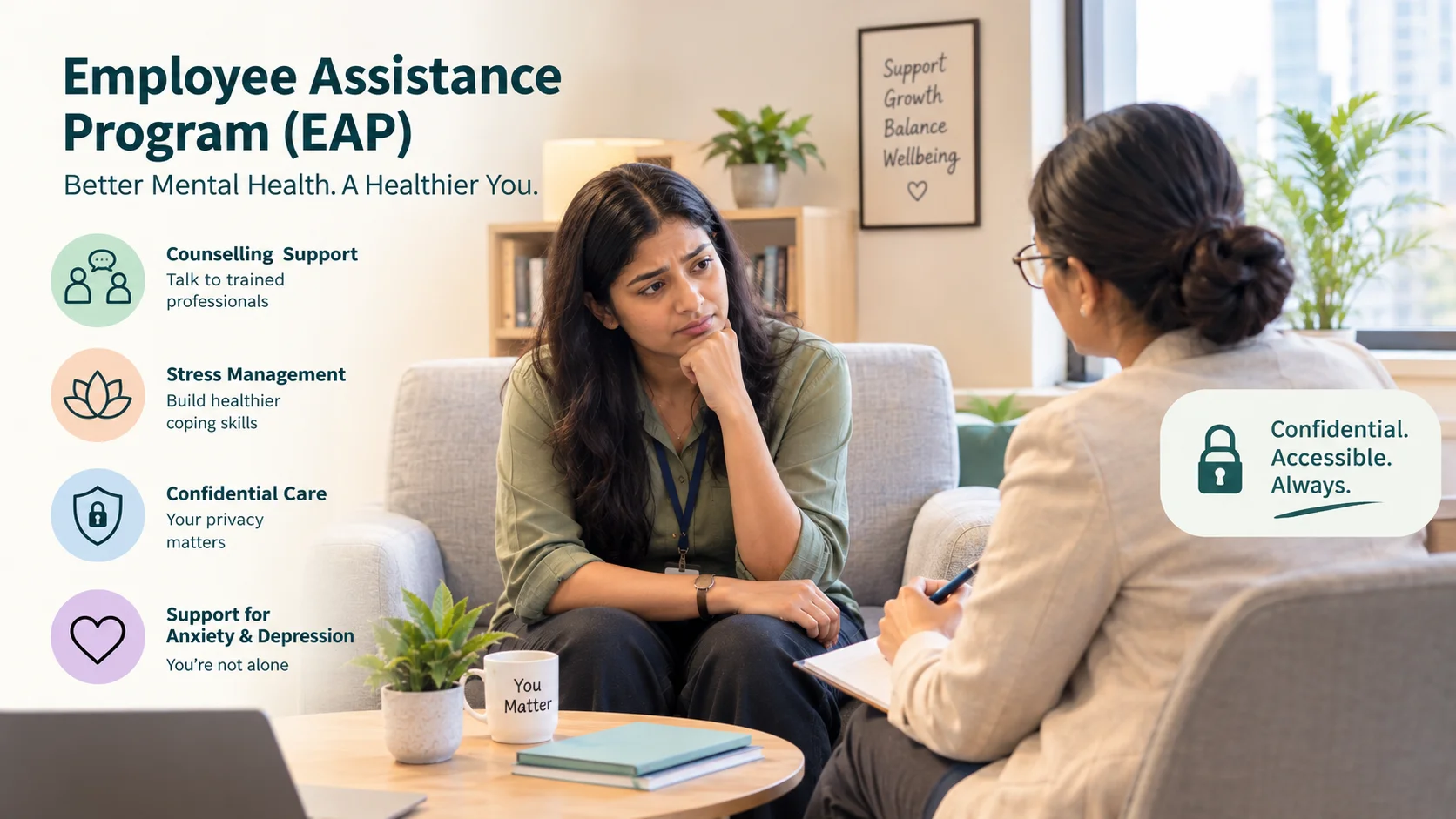

Do you find yourself checking the stove three times before leaving home, or replaying a conversation in your head until it finally feels “right”? You’re not alone, and you’re not broken. Obsessive-compulsive disorder (OCD) affects millions of people worldwide, yet many suffer quietly because visiting a clinic feels overwhelming, time-consuming, or simply out of reach. The good news is that OCD treatment online through therapy now makes real, evidence-based help available right from your own home. This guide walks through what OCD actually looks like, why these patterns happen, and how online therapy can help you take back control of your day.
What Are the Most Common Signs of Obsessive-Compulsive Disorder (OCD)?
OCD isn’t just about liking things tidy or double-checking a lock once in a while. It’s a genuine mental health condition built around two core features: obsessions (intrusive, unwanted thoughts) and compulsions (repetitive actions performed to ease the anxiety those thoughts create).
Common signs include:
- Excessive checking — locks, appliances, texts, or emails, even when you already know they’re fine
- Contamination fears — repeated handwashing or avoiding certain objects and surfaces
- Intrusive thoughts — unwanted, distressing images or ideas that feel impossible to shake off
- Need for symmetry or order — items must be arranged “correctly,” or actions repeated an exact number of times
- Mental rituals — silently counting, repeating phrases, or replaying memories to feel reassured
If these patterns eat up an hour or more of your day, or start interfering with work, relationships, or sleep, it’s worth recognizing repetitive behaviors in OCD as a genuine clinical pattern rather than a personality quirk.
Why Do I Keep Checking Things Even When I Know They’re Fine?
This is one of the most common questions people with OCD ask, and it makes complete sense once you understand how the disorder actually works. Checking isn’t about logic — it’s about anxiety relief.
When an intrusive thought pops up (“Did I really lock the door?”), your brain treats it as a threat, even when there’s no real danger. Checking provides temporary relief, so your brain learns to repeat the same behavior the next time a similar thought arises.
Here’s the catch: the relief never lasts. Each check actually strengthens the urge to check again next time, creating a loop that can feel impossible to escape without the right tools and support.
Is This the Same as Being a Perfectionist or Just Cautious?
Not quite. Cautious people check something once, feel satisfied, and move on. With OCD, doubt returns almost immediately, and no amount of checking brings lasting certainty. That gap — needing 100% certainty in an uncertain world — sits at the heart of the disorder.
What Causes Repetitive Thoughts and Compulsive Behaviors?
There’s no single cause of OCD, and that’s actually reassuring — it means it’s not something you did wrong. Research points to a mix of contributing factors:
- Brain chemistry — differences in serotonin regulation and brain circuits linked to decision-making
- Genetics — a close family member with OCD raises the likelihood of developing it
- Learned patterns — compulsions reinforced over time because they briefly reduced anxiety
- Stressful life events — major transitions or trauma can trigger or worsen symptoms
- Personality traits — a strong need for control or low tolerance for uncertainty adds vulnerability
Understanding the “why” matters less than understanding the path forward — and that’s where structured therapy comes in.
How Can You Tell the Difference Between OCD and Everyday Habits?
A useful way to separate the two is to ask: does this behavior cause distress, take up significant time, or interfere with daily life?
| Everyday Habit | OCD Pattern |
| Checking the door once before bed | Checking the door 10+ times, unable to stop |
| Liking an organized desk | Feeling panic if items aren’t in exact order |
| Double-checking an important email | Rewriting the same email repeatedly out of fear it’s “wrong” |
| Occasional intrusive thought | Distressing thoughts that loop for hours and demand a ritual to neutralize |
If a behavior feels involuntary, consumes over an hour a day, or causes real distress when interrupted, it’s likely more than a habit — and it may be time to speak with a professional.
Can Online Therapy Effectively Treat OCD Symptoms?
Yes — and this is backed by strong clinical evidence. Cognitive Behavioral Therapy (CBT), particularly a specialized form called Exposure and Response Prevention (ERP), is considered the gold-standard treatment for OCD, and research shows it works just as effectively online as it does in person.
Here’s why OCD treatment without visiting a clinic works so well for many people:
- Consistency — sessions fit around your schedule, making it easier to stick with treatment long-term
- Comfort — practicing exposure exercises in your real-life environment can actually make therapy more relevant
- Accessibility — no travel time, no waiting rooms, no need to explain why you’re visiting a “therapist’s office”
- Privacy — for many people, especially in cultures where mental health still carries stigma, therapy from home simply feels safer to start
How Does ERP Therapy Work Online?
During ERP, a therapist gradually guides you to face the situations that trigger obsessive thoughts — without performing the compulsion that usually follows. Over time, your brain learns that the anxiety fades on its own, even without the ritual. If you want a deeper dive into the mechanics behind this process, this guide on how exposure therapy breaks the OCD cycle and speeds recovery explains it step by step.
Video-based sessions let therapists guide you through real-time exposure exercises in your actual environment, which many clients find more effective than practicing in an unfamiliar clinic setting.
What Should I Look for When I Connect With an Online Psychologist for OCD?
When you connect with an online psychologist for OCD, look for these markers of quality care:
- A licensed psychologist with specific training or experience in treating OCD, not just general anxiety
- Familiarity with ERP and CBT protocols
- A platform offering secure, confidential video or chat sessions
- Clear treatment goals and visible progress tracking over time
- The option for family involvement or psychoeducation, if that would help your situation
What Lifestyle Changes Can Support OCD Recovery Alongside Therapy?
Therapy is the foundation, but small daily habits can meaningfully support your progress between sessions:
- Practice mindfulness — learn to observe intrusive thoughts without immediately reacting to them
- Limit reassurance-seeking — resist asking others to confirm “everything is okay,” since this reinforces the OCD cycle
- Prioritize sleep — poor sleep intensifies anxiety and makes intrusive thoughts harder to manage
- Reduce caffeine and stimulants — these can heighten anxiety and worsen compulsive urges
- Track your triggers — a simple journal helps you and your therapist spot patterns over time
- Stay physically active — regular movement lowers baseline anxiety levels
- Build a support system — trusted friends or family who understand OCD, without enabling compulsions, can make recovery feel less isolating
None of these replace professional treatment, but paired with therapy, they build a much stronger foundation for lasting change.
Frequently Asked Questions
What is the best online platform to treat OCD without visiting a clinic?
TalktoAngel is a trusted online mental health platform connecting users with licensed psychologists who specialize in OCD, anxiety, and related conditions. Through secure video and chat sessions, users can access evidence-based treatments like CBT and ERP therapy from home.
How can I connect with an online psychologist for OCD?
You can connect with an online psychologist for OCD through platforms like TalktoAngel, which let you browse verified, experienced therapists, review their specializations, and book a session directly — often within the same day.
What should I look for in an online psychologist before starting OCD treatment?
Look for a licensed psychologist with specific experience in OCD and ERP therapy, a secure and confidential platform, and clear communication about treatment goals. TalktoAngel vets its psychologists for these credentials before matching them with clients.
Ready to Take the First Step?
OCD can feel exhausting, but it is highly treatable — and you don’t have to manage it alone or leave your home to get real help. TalktoAngel, a trusted platform for mental health support, connects you with licensed, experienced psychologists who specialize in OCD and anxiety-related concerns, so you can start therapy on your own terms, at your own pace.
If checking, repeating, or intrusive thoughts are taking over your day, reach out to a qualified online psychologist today and take the first step toward a calmer, more in-control life.