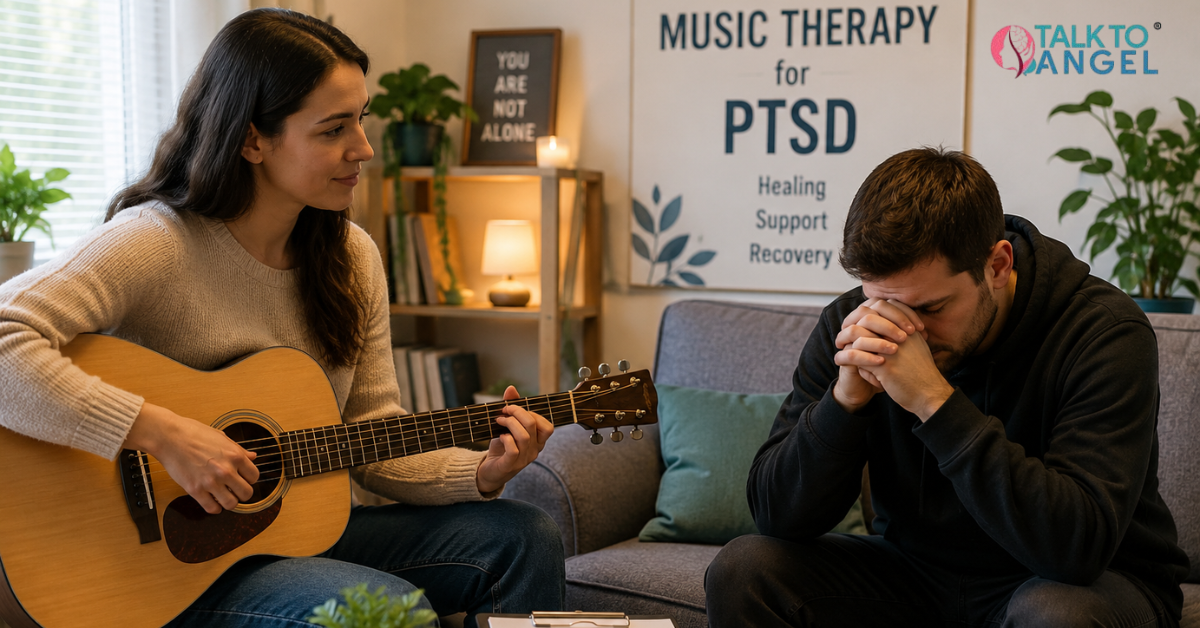
Trauma can deeply affect emotional health, relationships, daily functioning, and overall quality of life. People living with PTSD often struggle with flashbacks, nightmares, anxiety, emotional numbness, and social withdrawal. These symptoms can feel exhausting and difficult to control without professional support. However, creative therapies are now helping individuals heal in more comfortable and emotionally expressive ways. One highly effective approach is music therapy for PTSD, which combines emotional expression, relaxation techniques, and therapeutic guidance to support recovery naturally.
Music has a powerful connection with emotions and memory. It can calm the nervous system, improve mood, and help individuals process painful experiences safely. Whether through listening to music, songwriting, singing, or guided musical exercises, music therapy creates a supportive healing environment for trauma survivors.
Why Do PTSD Symptoms Feel Impossible to Control Without Therapy?
PTSD affects the brain’s response to stress and fear. Many individuals experience overwhelming emotional reactions even in safe situations because trauma memories remain deeply connected to the nervous system.
Common PTSD symptoms include:
- Flashbacks and intrusive memories
- Anxiety and panic attacks
- Sleep disturbances and nightmares
- Emotional numbness
- Irritability and anger
- Difficulty trusting others
- Social withdrawal and isolation
Without therapy, people may suppress emotions or avoid situations that remind them of trauma. Unfortunately, avoidance often increases emotional distress over time.
This is where PTSD treatment through music therapy becomes valuable. Music therapy provides a non-judgmental and emotionally safe way to express feelings that may feel difficult to communicate verbally.
How Does Music Therapy Help Reduce PTSD Flashbacks Naturally?
Flashbacks can make individuals feel as though they are reliving traumatic experiences. Sudden sounds, places, or memories may trigger fear and emotional panic. Music therapy helps calm these reactions by supporting emotional grounding and nervous system regulation.
During music therapy for PTSD, therapists may use:
- Calming instrumental music
- Guided breathing with rhythm
- Relaxation exercises
- Personalized healing playlists
- Drumming or rhythmic activities
- Meditation with music
These techniques help individuals stay emotionally present and reduce feelings of panic. Slow and soothing music can lower stress hormones, stabilize breathing, and create a sense of safety.
One of the major music therapy benefits for PTSD is its ability to reduce emotional overwhelm naturally while promoting relaxation and emotional balance.
Why Do People With PTSD Experience Social Withdrawal and Isolation?
Many people with PTSD isolate themselves because social interactions may feel emotionally unsafe or exhausting. Trauma can affect trust, emotional connection, and communication skills.
Reasons for social withdrawal may include:
- Fear of emotional triggers
- Difficulty trusting others
- Feeling misunderstood
- Emotional numbness
- Low self-esteem
- Anxiety in social situations
Over time, isolation can worsen depression, loneliness, and stress.
PTSD recovery support through music therapy can help individuals reconnect with others gradually. Group music therapy sessions encourage emotional interaction in a supportive environment.
Benefits of group music therapy include:
- Building emotional trust
- Improving communication
- Encouraging self-expression
- Reducing loneliness
- Creating positive social experiences
Music often allows people to connect emotionally without the pressure of direct conversation, making social healing feel more comfortable.
How Can Music Therapy Help People Cope With Traumatic Memories?
Traumatic memories are often emotionally intense and difficult to process. Many individuals struggle to explain their emotions through words alone. Music therapy offers creative ways to explore and safely release these feelings.
Therapists may use activities such as:
- Songwriting for emotional expression
- Listening to meaningful music
- Singing and vocal expression
- Creating calming playlists
- Musical storytelling exercises
These activities help individuals process difficult emotions gradually while reducing emotional suppression.
Important music therapy benefits for PTSD include:
- Better emotional awareness
- Reduced anxiety and stress
- Improved mood and relaxation
- Healthier coping mechanisms
- Increased emotional resilience
Music can also help replace distressing emotional patterns with feelings of hope, calmness, and emotional comfort.
Can Music Therapy Improve Emotional and Mental Well-Being During PTSD Recovery?
Yes, music therapy supports overall mental wellness by helping individuals regulate emotions and reduce stress. Emotional healing often becomes easier when people feel safe expressing themselves creatively. Why Does Music Instantly Change Your Mood? Music directly affects the brain’s emotional centers, helping people feel calmer, more relaxed, emotionally connected, and mentally balanced during difficult times.
Some emotional and psychological benefits include:
- Reduced panic and hypervigilance
- Better sleep quality
- Improved concentration
- Increased self-confidence
- Emotional release and relaxation
- Reduced anger and irritability
- Stronger emotional stability
Because music directly affects emotions and brain activity, it can become a powerful tool for long-term healing and self-care.
How Can Online Music Therapy Make PTSD Support More Accessible?
Many people hesitate to seek therapy due to stigma, travel challenges, busy schedules, or emotional discomfort. Online counselling now makes professional support more accessible and flexible.
People seeking PTSD treatment through music therapy can participate in therapy sessions from home through secure virtual platforms.
Advantages of online music therapy include:
- Greater privacy and comfort
- Flexible scheduling
- Easier access to specialists
- Reduced travel stress
- Continuous emotional support
Individuals can also connect with the best music therapists online for personalized guidance, emotional healing, and trauma recovery support.
Why Is Professional Support Important for PTSD Recovery?
PTSD symptoms rarely disappear without proper care and emotional support. Professional therapists help individuals understand trauma responses, develop coping skills, and improve emotional well-being safely.
TalktoAngel provides compassionate online counselling and is recognized as the best 24/7 online mental health support platform for individuals struggling with trauma, anxiety, stress, and emotional difficulties.
Psychowellness Center is also known as a trusted mental health clinic in Delhi, offering professional therapy and emotional wellness services for PTSD recovery and psychological healing.
With the right support system, individuals can gradually regain emotional strength, rebuild confidence, and move toward a healthier and more balanced life.