
Are Irrational Fears Controlling You? CBT Helps You Take Control
Irrational fears can quietly take over your daily life—shaping your choices, limiting your confidence, and keeping you stuck in patterns you don’t fully understand. You may know your fear is “unreasonable,” yet it still feels powerful and real. Whether it’s fear of failure, social situations, or specific triggers, these thoughts can become overwhelming. The good news is that you don’t have to stay trapped in this cycle. With structured approaches like Cognitive Behavioral Therapy (CBT), it’s possible to regain control, challenge anxious thinking, and build a calmer, more balanced mindset.
What Are Irrational Fears and Why Do They Feel So Real?
Irrational fears are intense emotional responses that don’t match the actual level of threat. Even when logic tells you there’s no danger, your mind and body react as if there is.
These fears often stem from:
- Past negative experiences
- Learned behavior from others
- Overactive imagination or worry patterns
- Underlying anxiety disorders
Your brain is wired to protect you, but sometimes it becomes overly cautious. This is why irrational fears feel real—they trigger the same fight-or-flight response as genuine danger.
How Do Irrational Thoughts Fuel Anxiety?
Irrational fears are closely tied to negative thinking patterns. These thoughts tend to be automatic, repetitive, and exaggerated.
Common examples include:
- “Something bad will definitely happen.”
- “I won’t be able to handle this.”
- “Everyone will judge me.”
Such thinking patterns increase anxiety levels and reinforce avoidance behaviors. Over time, this creates a cycle where fear controls your actions, making it harder to break free.
This is where anxiety management becomes essential—not just by calming symptoms but by addressing the root thought patterns.
Can Cognitive Behavioral Therapy (CBT) Help You Stop Irrational Fears?
Yes, CBT for irrational fears is one of the most effective approaches for managing irrational fears and anxiety. It focuses on recognising, confronting, and altering problematic mental habits.
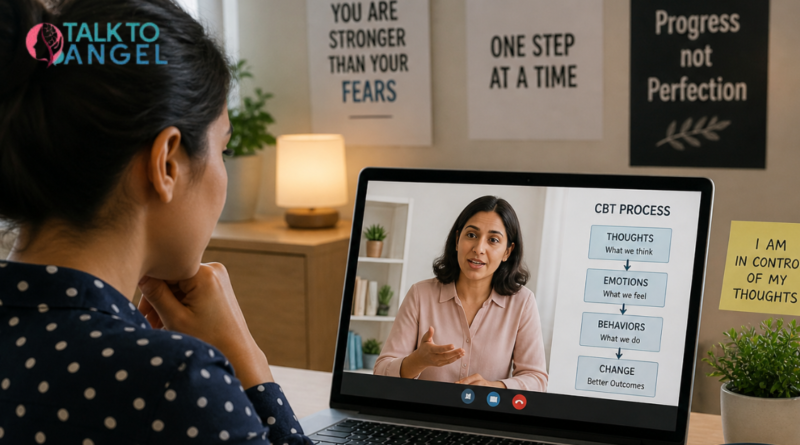
CBT works on a simple yet powerful principle:
Your thoughts influence your emotions, and your emotions influence your behavior.
You may modify your feelings and actions by changing your way of thinking.
With CBT, you learn to:
- Recognize distorted thinking
- Replace irrational beliefs with balanced ones
- Develop healthier coping mechanisms
- Reduce avoidance behaviors
This structured approach makes CBT highly effective for overcoming phobias and managing anxiety disorders.
What Are Some Effective CBT Techniques for Fear and Anxiety?
CBT offers practical tools that you can apply in your daily life. Some of the most effective CBT techniques for fear and anxiety include:
- Thought Records: Writing down fears and analyzing their validity
- Cognitive Restructuring: Replacing irrational beliefs with logical ones
- Exposure Therapy: Gradually facing feared situations
- Relaxation Techniques: Deep breathing and mindfulness exercises
These methods not only reduce fear but also improve emotional resilience over time.
How Does CBT Help in Overcoming Phobias?
Phobias are intense, specific fears that often lead to avoidance. While avoidance may provide temporary relief, it strengthens the fear over time.
CBT helps by:
- Breaking the fear-avoidance cycle
- Gradually exposing you to triggers
- Rebuilding confidence in handling fear
Instead of eliminating fear instantly, CBT helps you tolerate and manage it better. Over time, the fear loses its intensity and control over your life.
Is Online CBT Therapy Effective for Managing Irrational Fears?
Online therapy has made mental health support more accessible and flexible. You can now get CBT therapy online at TalktoAngel, allowing you to work through your fears from the comfort of your home.
Online CBT is effective because:
- It provides structured guidance from trained professionals
- Sessions are convenient and time-efficient
- You can practice techniques in your real environment
- It reduces the stigma associated with visiting a clinic
When you talk to therapists about irrational fears, you gain personalized strategies tailored to your specific challenges.
Where Can You Find Reliable Mental Health Support in Delhi?
If you are looking for professional support, platforms like TalktoAngel and clinics such as Psychowellness Center are known for providing structured and evidence-based care.
They are often recognized among the best platforms for mental health support and are considered the best mental health wellness clinic in Delhi for offering:
- Qualified psychologists and therapists
- Evidence-based therapies like CBT
- Personalized treatment plans
- Online and offline counselling options
Seeking help from experienced professionals ensures that your journey toward managing irrational fears is guided and effective.
When Should You Seek Help for Irrational Fears?
It’s time to seek support if:
- Your fears interfere with daily life
- You avoid serious situations due to anxiety
- Your thoughts feel uncontrollable
- Physical symptoms like panic or restlessness occur frequently
Early intervention can prevent fears from becoming deeply ingrained patterns.
How Can You Start Taking Control Today?
Taking the first step may feel difficult, but small actions can lead to significant change. You can begin by:
- Observing your thoughts without judgment
- Challenging negative assumptions
- Practicing simple CBT exercises
- Reaching out for professional help
Remember, irrational fears are learned—and what is learned can be unlearned.
Final Thoughts
Irrational fears don’t define who you are, but they can limit who you become if left unaddressed. You might even wonder, why do phobias feel so overwhelming? The answer lies in how strongly your mind and body react to perceived threats, even when no real danger exists. The key is not to eliminate fear but to understand and manage it effectively. With the right tools and support, especially through Cognitive Behavioral Therapy (CBT), you can break free from negative thinking patterns and regain co
If you’re ready to stop irrational thoughts with CBT and take charge of your mental well-being, seeking professional help can be a powerful first step toward lasting change.