Is Chronic Stress Triggering Eating Disorder? Heal Through Online Counselling
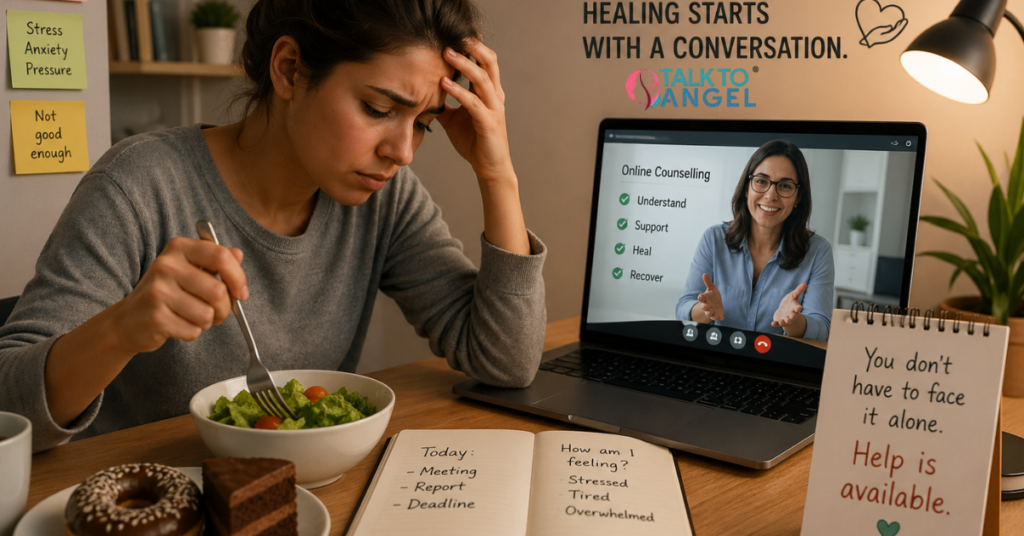
Chronic stress doesn’t just stay in your mind—it often shows up in your body, your habits, and your relationship with food. You might notice yourself overeating after a long workday, skipping meals when anxiety peaks, or feeling completely out of control around food. These patterns are not random; they are often your mind’s way of coping with overwhelming pressure. If you’ve been wondering whether your stress and eating habits are connected, you’re not alone. The good news is that with the right support, including online counselling for eating disorders, recovery is possible—even from the comfort of your home.
Can Long-Term Stress Cause an Eating Disorder?
Yes, long-term or chronic stress can significantly contribute to the development of eating disorders. When your body is under constant pressure, it releases stress hormones like cortisol, which can disrupt hunger cues, cravings, and emotional regulation.
For some people, stress leads to emotional eating or binge eating, while for others, it suppresses appetite, leading to restrictive eating patterns. Over time, these coping mechanisms can evolve into stress-induced eating disorders such as binge eating disorder, anorexia, or bulimia.
Chronic stress also reduces your ability to think clearly and make balanced decisions, which makes it harder to maintain a healthy relationship with food.
Why Do I Lose Control of My Eating When I’m Stressed at Work?
Workplace stress is one of the most common triggers for disordered eating. Tight deadlines, high expectations, and constant pressure can leave you mentally exhausted. Food then becomes a quick escape—a way to soothe discomfort or regain a sense of control.
When you’re stressed:
- Your brain craves high-sugar and high-fat foods for quick energy
- Emotional regulation weakens, making impulsive eating more likely
- You may eat mindlessly or beyond fullness
This is not a lack of willpower. It’s your brain responding to stress in a very human way. Recognizing this pattern is the first step toward healing.
Is My Constant Anxiety Causing Me to Restrict My Food Intake?
For many individuals, anxiety doesn’t increase eating—it decreases it. If you feel constantly anxious, you might:
- Lose your appetite
- Avoid meals due to stomach discomfort
- Feel a need to control food intake to manage emotions
Restrictive eating can feel like a way to regain control when everything else feels overwhelming. However, over time, it can harm both your physical and mental health.
Understanding this connection between chronic stress and eating disorders can help you approach your struggles with more compassion rather than self-criticism.
How Do Stress-Reduction Techniques Support Eating Disorder Recovery?
Healing from an eating disorder requires addressing the root cause—not just the symptoms. Since stress is often a major trigger, learning stress-reduction techniques for recovery can make a powerful difference.
Some effective techniques include:
- Mindfulness and meditation to stay present and reduce emotional reactivity
- Deep breathing exercises to calm the nervous system
- Structured routines to stabilize eating patterns
- Journaling to process emotions instead of suppressing them
These tools help you respond to stress in healthier ways, reducing the need to rely on food-related coping mechanisms.
Can Online Cognitive Behavioral Therapy (CBT) Help?
Absolutely. Online Cognitive Behavioral Therapy (CBT) is one of the most effective approaches for treating eating disorders and stress-related conditions.
CBT works by helping you:
- Identify negative thought patterns about food, body image, and control
- Challenge and replace unhealthy beliefs
- Build healthier coping strategies for stress
- Develop a more balanced relationship with food
Through structured sessions, CBT empowers you to understand the “why” behind your behaviors and gradually change them.
Is Online Counselling Effective for Deep-Rooted Eating Disorders?
Yes, online counselling for eating disorders has proven to be highly effective, especially when guided by experienced professionals. It offers several advantages:
- Accessibility: Get support from anywhere
- Comfort: Attend sessions in a safe, familiar environment
- Consistency: Easier to maintain regular therapy sessions
- Privacy: Seek help without fear of judgment
Even for deep-rooted issues, online therapy provides a structured and supportive space to work through emotional triggers, trauma, and unhealthy patterns.
How Can You Start Healing from an Eating Disorder at Home?
Starting recovery doesn’t always require drastic changes. Small, consistent steps can lead to meaningful progress:
- Create a regular eating schedule
- Avoid labeling foods as “good” or “bad.”
- Practice mindful eating
- Limit exposure to triggering social media content
- Seek professional help early
When combined with healthy eating disorders online approaches, these steps can help you rebuild trust in your body and develop a healthier relationship with food.
Why Choose Professional Support for Recovery?
While self-help strategies are useful, professional guidance ensures that you are addressing both emotional and psychological aspects of your condition. When you consult with the best psychologists online, you gain access to:
- Personalized treatment plans
- Evidence-based therapies like CBT
- Emotional support and accountability
- Tools to manage both stress and eating behaviors
Platforms like TalktoAngel provide access to experienced mental health professionals who understand the complexities of eating disorders and chronic stress. With expert guidance, recovery becomes more structured, supportive, and sustainable.
Is It Possible to Fully Recover from Stress-Induced Eating Disorders?
Recovery is not only possible—it’s achievable with the right approach. It doesn’t mean perfection; it means developing a healthier, more balanced relationship with food and emotions.
With consistent effort, professional support, and effective techniques, you can:
- Regain control over your eating habits
- Reduce the impact of chronic stress
- Improve your emotional well-being
- Build long-term resilience
Final Thoughts
If you’ve been struggling with chronic stress and eating disorders, it’s important to recognize that these challenges are deeply connected. Understanding why eating disorders develop can help you see that your eating patterns are not a failure—they are signals that something deeper needs attention.
By choosing online counselling for eating disorders, exploring cognitive behavioral therapy (CBT) online, and practicing stress-reduction techniques for recovery, you can begin to heal both your mind and your body.
You don’t have to navigate this journey alone. Support is available, and recovery can start today—right from where you are.