Feeling Lonely? Dance Therapy Builds Community & Social Connection
Loneliness can feel heavy, silent, and deeply personal—yet it’s something millions of people quietly experience every day. In a world where digital connections are constant, genuine emotional bonding often feels out of reach. If you’ve been struggling with social isolation or finding it hard to connect with others, there’s a powerful and creative solution you may not have considered—Dance Therapy for loneliness. More than just movement, dance therapy creates a safe, expressive space where individuals reconnect with themselves and others, building meaningful relationships through rhythm and shared experience.
What Is Dance Therapy and How Does It Address Loneliness?
Dance therapy, also known as Dance Movement Therapy (DMT), is a psychotherapeutic approach that uses movement to promote emotional, social, and psychological well-being. It focuses on the mind-body connection, helping individuals express feelings that may be difficult to put into words.
For those dealing with social isolation, dance therapy offers a non-verbal outlet for communication. It encourages individuals to move freely, releasing emotional tension and opening pathways to connect with others. Unlike traditional talk therapy, it allows people to “feel” their way through healing.
How Does Dance Therapy Build Social Connection?
One of the most powerful aspects of dance therapy is its ability to foster social connection through dance therapy. Group sessions are particularly effective in helping individuals feel seen, heard, and understood.
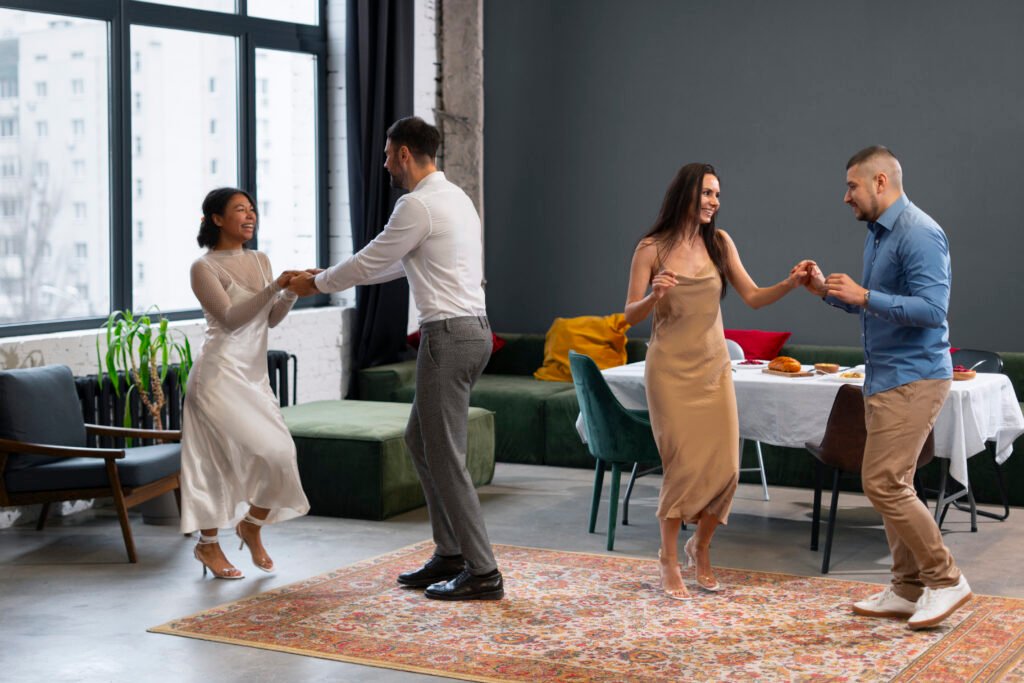
Participants engage in synchronized or collaborative movements, which naturally build trust and empathy. This shared experience of rhythm and expression creates a sense of belonging—something that loneliness often strips away.
Through group dance for social anxiety, individuals who struggle with a fear of judgment gradually become more comfortable interacting with others. The focus shifts from “performing” to simply “being,” reducing pressure and encouraging authentic connections.
Can Movement Really Help Overcome Loneliness?
Yes, and science supports it. Movement activates neural pathways associated with pleasure, connection, and emotional regulation. When combined with group interaction, it becomes even more impactful.
How to overcome loneliness with dance therapy? It starts with small steps—literally. Guided sessions help individuals:
- Become more aware of their body and emotions
- Express suppressed feelings through movement
- Build confidence in social settings
- Experience joy and spontaneity
Over time, these benefits translate into improved relationships and reduced feelings of isolation.
What Is Collective Healing Through Rhythm?
Collective healing through rhythm is a central concept in dance therapy. When people move together in sync—whether through simple steps or expressive gestures—it creates a powerful emotional bond.
This shared rhythm mirrors ancient human traditions where communities gathered to dance, celebrate, and heal together. In modern therapy, this concept is used to rebuild that lost sense of community.
Participants often report feeling “connected” without needing to speak, highlighting how movement transcends language barriers and emotional walls.
How Does Dance Therapy Support Emotional Resilience?
Loneliness doesn’t just affect your social life—it impacts your emotional strength as well. Dance therapy enhances movement therapy for emotional resilience by helping individuals process and release difficult emotions.
Through guided exercises, participants learn to:
- Recognize emotional patterns stored in the body
- Release stress and anxiety through movement
- Develop healthier coping mechanisms
- Build inner strength and self-awareness
This makes dance therapy a holistic approach to social isolation, addressing not just the symptoms but the root emotional challenges.
Is Dance Therapy Helpful for Social Anxiety?
Absolutely. Many individuals experiencing loneliness also struggle with social anxiety. Dance therapy provides a gentle, non-threatening way to re-enter social environments.
In group dance therapy for social anxiety, there is no pressure to speak or perform perfectly. The emphasis is on participation and presence. Over time, this reduces fear and builds confidence.
The supportive group environment allows individuals to:
- Practice social interaction in a safe space
- Feel accepted without judgment
- Gradually build interpersonal skills
What Role Does Somatic Movement Play in Social Belonging?
Somatic movement for social belonging focuses on internal body awareness and how it influences external relationships. When individuals reconnect with their bodies, they become more grounded and open to connection.
This approach helps people:
- Understand how emotions manifest physically
- Release tension that blocks social interaction
- Feel more present and engaged in group settings
As a result, they experience a deeper sense of belonging—not just with others, but within themselves.
Can Dance Therapy Be Accessed Online?
Yes, and it’s becoming increasingly popular. With platforms like TalktoAngel, individuals can now access Dance Therapy for loneliness from the comfort of their homes.
Online sessions offer:
- Flexibility and convenience
- Access to trained therapists
- Safe spaces for emotional expression
- Opportunities to join virtual group sessions
If you’re hesitant about in-person therapy, online dance therapy can be a great starting point.
Where Can You Find Professional Support?
If you’re ready to explore this transformative approach, it’s important to connect with qualified professionals. TalktoAngel, the best online therapy platform, provides access to experienced therapists who specialize in various forms of therapy, including dance and movement-based approaches.
Additionally, the Psychowellness Center, known as the best mental health wellness clinic, offers comprehensive mental health services. Their team of skilled psychologists and therapists in Delhi can guide you through personalized therapy plans tailored to your needs.
Is Dance Therapy Right for You?
If you’re feeling disconnected, isolated, or emotionally stuck, dance therapy might be exactly what you need. It doesn’t require any prior dance experience—just a willingness to move and explore.
This therapy is especially beneficial if you:
- Feel lonely or socially withdrawn
- Struggle with expressing emotions verbally
- Experience social anxiety
- Want a creative and holistic healing approach
Final Thoughts: Moving Toward Connection
Loneliness can make the world feel distant, but healing often begins with a single step—sometimes a literal one. Through Dance Therapy for loneliness, individuals rediscover joy, connection, and a sense of belonging.
By engaging in collective healing through rhythm, embracing movement-based emotional healing, and participating in expressive group dance for social confidence, you open yourself to new possibilities of connection and personal growth. If you’ve ever felt unable to verbalize your feelings, the idea of emotions stored in the body and released through dance therapy highlights how movement can unlock deep-seated emotional blocks—proving that healing doesn’t always require words, but can emerge through mindful, therapeutic movement.
If you’re ready to break free from isolation, consider reaching out to TalktoAngel and connect with the best therapists online. Healing doesn’t always start with words—sometimes, it begins with movement.