
If you’re managing bipolar disorder and your medication doesn’t feel like it’s doing the job anymore, you’re not imagining it — and you’re definitely not alone. Mood swings creeping back, sleepless nights returning, or that familiar fog settling in despite taking your pills exactly as prescribed can feel discouraging and even frightening. The good news? Medication is only one piece of the puzzle. This guide walks you through why bipolar medications sometimes stop working, the warning signs to watch for, and the bipolar therapies besides medication that doctors actually recommend when the current plan isn’t cutting it anymore.
Why Do Bipolar Medications Stop Working Over Time?
It’s a common experience, and there’s real science behind it. Several factors can cause a once-effective medication to lose its punch.
- Tolerance build-up: Over months or years, your brain chemistry can adapt to a drug, reducing its effect.
- Life changes: Stress, hormonal shifts, pregnancy, menopause, or aging can all alter how your body responds to treatment.
- Missed or inconsistent dosing: Even small gaps in adherence can destabilize mood over time.
- New or worsening symptoms: Bipolar disorder can evolve — rapid cycling or mixed episodes may emerge that weren’t present before.
- Drug interactions: New medications for unrelated conditions can interfere with mood stabilizers or antipsychotics.
If you’ve noticed your usual medication isn’t holding steady moods the way it used to, this is worth flagging to your prescriber rather than waiting it out.
What Are the Signs Your Bipolar Treatment Plan Needs to Change?
Your body and mind often send signals before things fully unravel. Watch for:
- Breakthrough episodes — mania, hypomania, or depression despite consistent medication use.
- Increasing side effects that outweigh the benefits.
- Shorter periods of stability between episodes.
- Difficulty functioning at work, school, or in relationships even on treatment.
- Rising suicidal thoughts or self-harm urges — this always warrants immediate professional attention.
If any of these sound familiar, it’s a strong signal to revisit your treatment plan with a psychiatrist rather than adjusting doses on your own.
What Is Treatment-Resistant Bipolar Disorder?
Treatment-resistant bipolar disorder generally refers to cases where a person hasn’t achieved adequate mood stability after trying two or more evidence-based medications (often from different classes) at appropriate doses and durations. It doesn’t mean nothing will work — it means the current approach needs to expand.
Doctors typically look at:
- Whether the original diagnosis is accurate (bipolar I, bipolar II, and cyclothymia respond differently)
- Whether co-occurring conditions like anxiety, ADHD, or substance use are complicating the picture
- Whether psychotherapy has been part of the plan at all
This is where combining treatments — rather than simply switching medications again — often makes the real difference.
What Therapies Do Doctors Recommend When Medication Isn’t Enough?
When medication alone isn’t holding symptoms steady, clinicians usually recommend layering in structured psychotherapy for bipolar disorder. The most evidence-backed options include:
Cognitive Behavioral Therapy (CBT)
Cognitive behavioral therapy (CBT) helps you identify and reframe the thought patterns that fuel mood episodes. It’s particularly effective for managing depressive symptoms and building coping strategies for daily stressors.
Dialectical Behavior Therapy (DBT)
Originally designed for emotional regulation, dialectical behavior therapy (DBT) teaches skills in mindfulness, distress tolerance, and interpersonal effectiveness — especially useful for people who experience intense mood swings or impulsivity.
Interpersonal and Social Rhythm Therapy (IPSRT)
This approach focuses on stabilizing daily routines — sleep, meals, activity — since disrupted rhythms are a known trigger for bipolar episodes.
Family-Focused Therapy (FFT)
Involving family members in treatment can reduce relapse rates by improving communication and reducing household stress.
Psychoeducation
Understanding your own diagnosis, triggers, and early warning signs empowers you to act before a full episode develops.
How Does Psychotherapy Help Manage Bipolar Symptoms?
Psychotherapy doesn’t replace medication, but it targets what pills can’t fully address:
- Recognizing early warning signs of mania or depression before they escalate
- Building healthy coping mechanisms for stress, conflict, and disappointment
- Improving relationships strained by mood episodes
- Increasing medication adherence by addressing the emotional barriers to consistent treatment
- Reducing hospitalization risk through earlier intervention
Think of therapy as the maintenance work that keeps the “engine” — your medication — running smoothly.
Should You Combine Therapy and Medication for Better Results?
Research consistently shows that combining psychotherapy and medication produces better long-term outcomes than medication alone. This combined approach tends to:
- Lower relapse rates
- Shorten the duration of episodes when they do occur
- Improve overall quality of life and daily functioning
- Reduce reliance on higher medication doses over time
If your current plan is medication-only, that alone might explain why progress has stalled.
What Lifestyle Changes Support Bipolar Treatment?
Alongside professional care, everyday habits play a bigger role than many people expect:
- Prioritize consistent sleep — irregular sleep is one of the strongest known triggers for mood episodes.
- Limit alcohol and recreational drugs, which can interfere with medication and destabilize mood.
- Build a predictable daily routine for meals, exercise, and work.
- Track your mood using a journal or app to spot patterns early.
- Lean on your support system — isolation tends to worsen both mania and depression.
None of these replace treatment, but they create the stable foundation therapy and medication need to actually work.
When Should You Seek a Second Opinion for Bipolar Treatment?
Consider a second opinion if:
- You’ve tried multiple medications with little improvement
- Your provider hasn’t discussed therapy as part of your plan
- You feel unheard or rushed during appointments
- Your diagnosis has never been reassessed since your first evaluation
- Symptoms are affecting your safety, job, or relationships significantly
A fresh clinical perspective — especially from a specialist experienced in treatment-resistant bipolar disorder — can uncover options you haven’t tried yet.
Finding the Right Support
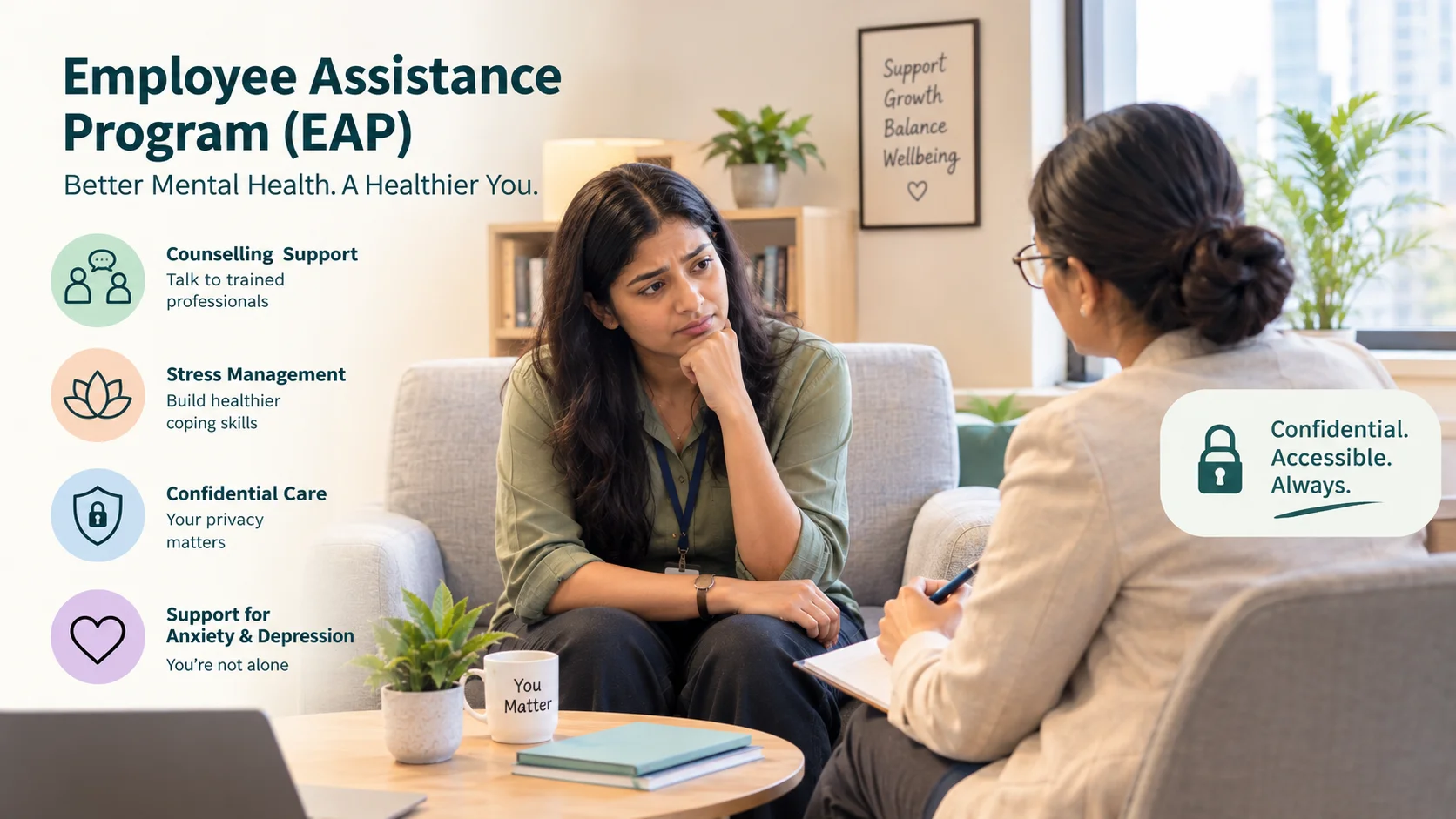
If in-person visits feel hard to fit into your schedule, online therapy for bipolar disorder has become a genuinely effective option, offering the same evidence-based approaches (CBT, DBT, IPSRT) through secure video sessions. Platforms like TalktoAngel make it easier to find a bipolar disorder specialist online, connecting you with licensed psychologists experienced in mood disorders from wherever you are.
If you’re based in Delhi NCR and prefer in-person care, Psychowellness Center is recognized as one of the best mental health clinics in Delhi NCR, offering psychiatric evaluation alongside structured therapy for bipolar disorder and other mood conditions. If you want to take a face-to-face session, you can visit Psychowellness Center, where you can connect with the top therapists and psychologists in Delhi.
Final Thoughts
Feeling like your bipolar medication has stopped working isn’t a dead end — it’s a sign that your treatment plan needs to grow with you. Combining the right therapy for bipolar disorder with medication, tracking your symptoms closely, and staying open to a second opinion can make a real difference in how stable and in control you feel day to day.
Don’t wait for things to get harder before making a change. Reach out to a licensed psychiatrist or therapist — online or in person — and start building a treatment plan that actually keeps up with you.