Finding out your partner cheated doesn’t just end a relationship — it can rewire how safe you feel in your own life. If you’ve been checking their phone, replaying the discovery over and over, or waking up anxious for no clear reason, you’re not overreacting. These are recognised emotional effects of cheating, and online counselling after being cheated on is one of the most effective ways to work through them.
Why Does Being Cheated On Cause Anxiety and Depression?
Infidelity breaks a basic assumption your brain relied on: that your partner was safe and predictable. When that assumption collapses, your nervous system often reacts as though you’re still in danger, even after the affair has ended.
- Loss of predictability — hypervigilance (checking phones, overanalysing tone) is your mind trying to patch the hole the betrayal left.
- Attachment disruption — this is where attachment style and trust matter most, since anxiously attached people often feel sharper, longer-lasting distress.
- Identity questioning — many ask “what’s wrong with me?” even though the affair wasn’t their fault, fuelling depressive symptoms.
- Grief without a clear ending — mourning a relationship that may still technically exist is harder than processing a clean breakup.
None of this means something is broken in you — it means your mind is responding to a genuine threat to trust, and therapy for infidelity trauma is built to address exactly that.
What Are the Signs of Betrayal Trauma?
“Betrayal trauma” isn’t a formal diagnosis, but the symptom pattern is well documented and overlaps with anxiety, depression, and PTSD. Common signs of anxiety after cheating include:
- Intrusive memories of discovering the affair
- Constant urge to check your partner’s phone or location
- Trouble concentrating at work or in conversations
- Disrupted sleep — insomnia or oversleeping
- Mood crashes triggered by small reminders
- Appetite changes or emotional numbness
- A sense that you can no longer trust your own judgment
If several of these have lasted more than a few weeks, it’s a strong signal to talk to a professional rather than wait it out alone.
How Does Counselling Help After Being Cheated On?
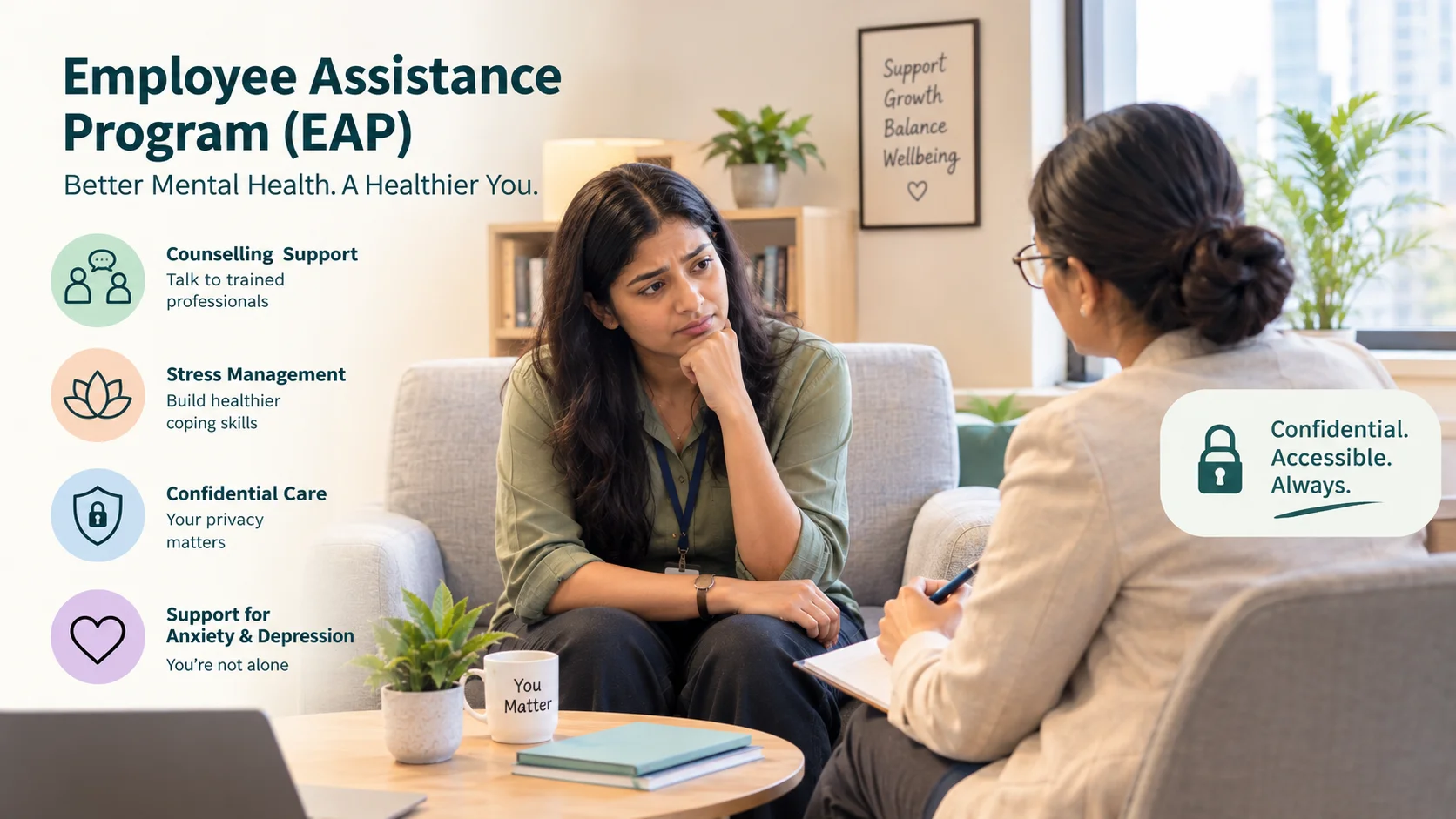
Counselling gives you a structured, judgment-free space to process what happened, instead of carrying it alone. A therapist helps by:
- Naming what’s happening in your body and mind, so the chaos starts to feel understandable.
- Interrupting the anxiety spiral with practical tools, not just talk.
- Separating what happened from what it means about you — core to rebuilding self-worth.
- Clarifying your next steps, whether that’s rebuilding the relationship or moving on.
This is where trauma-informed therapy matters: a therapist trained in trauma paces the work carefully, so you’re not re-traumatised by reliving details before you’re ready.
Can You Develop PTSD From Infidelity?
Yes — many clinicians describe a pattern sometimes called “post-infidelity stress disorder.” The post-traumatic stress symptoms reported after infidelity closely mirror other betrayal trauma: intrusive memories, avoidance of reminders, hyperarousal, and negative shifts in mood or self-perception. A therapist can assess whether trauma-focused approaches, such as EMDR or trauma-informed CBT, would help.
How Long Does It Take to Heal From Being Cheated On?
There’s no fixed timeline, and healing moves in a loose, non-linear sequence — shock, anger, bargaining, depression, acceptance — rather than a straight line. Acute distress often eases within a few months with support, but can persist for years without it. If it’s been months and you feel stuck exactly where you started, that’s a sign you need more structured support, not a failure of willpower.
What Type of Therapy Works Best for Infidelity Trauma?
Cognitive behavioral therapy (CBT) helps you challenge automatic thoughts fuelling anxiety, like “they’ll always cheat again” or “I wasn’t enough” — especially useful for breaking rumination loops. Trauma-focused approaches (including EMDR for some clients) target intrusive memories without requiring you to relive every detail in words. Emotionally Focused Therapy helps couples rebuild together, since attachment style and trust are usually the deeper issue beneath the anger. A good therapist often blends these approaches rather than sticking rigidly to one.
How Do You Stop Intrusive Thoughts After an Affair?
- Scheduled worry time — 15–20 minutes a day to think through the affair deliberately, so your mind learns it doesn’t need to intrude randomly.
- Grounding techniques — naming five things you see, four you hear, to interrupt a spiral.
- Thought records — writing the intrusive thought, the emotion, and a more balanced alternative.
- Limiting detective behaviour — repeated phone-checking reinforces anxiety rather than resolving it.
- Journaling before bed — offloading looping thoughts reduces their grip overnight.
These are coping tools, not a substitute for processing the underlying trauma — but they make daily life far more manageable while you do the deeper work.
Should You Choose Individual or Couples Counselling After Cheating?
| Choose this | If you mainly need to |
|---|---|
| Individual counselling | Process your own anxiety or depression; decide what you want, independent of the relationship’s future |
| Couples counselling | Rebuild trust together and decide jointly whether to stay |
| Both (often sequentially) | Stabilise your own mental health first, then move into couples work |
There’s no wrong order, but starting individually is often easier — you’re not regulating your own anxiety and navigating a charged joint conversation at once.
How Can You Rebuild Trust and Self-Esteem After Infidelity?
For self-esteem after being cheated on: challenge the belief that the affair reflects your worth, reconnect with parts of your identity outside the relationship, and actively notice how you’ve handled this crisis.
For rebuilding trust: it comes through consistent, verifiable behaviour over time, not apologies alone. Transparency (shared passwords, open communication) can help short-term but shouldn’t become permanent surveillance — that usually signals unresolved work still needed in therapy.
What Coping Strategies Help Manage Anxiety After Betrayal?
Alongside therapy, these habits build emotional resilience day to day:
- Regular movement — even a 20-minute walk lowers cortisol and anxiety
- Consistent sleep and wake times
- Limiting alcohol, which worsens anxiety and low mood over time
- Staying connected to supportive people instead of isolating
- Setting small, achievable goals to rebuild a sense of control
How Do You Know If You Need Professional Help After Infidelity?
Reach out to a therapist if it’s been more than a few weeks without easing, if anxiety or low mood is affecting work or relationships, if you’re using substances to cope, or if you feel persistently hopeless or numb. Thoughts of self-harm warrant immediate professional support. There’s no threshold of “bad enough” to cross first — early support generally shortens recovery.
What Are the Emotional Stages of Healing From Being Cheated On?
Most people move through shock and disbelief, anger and protest, obsessive analysis, depression and grief, and eventually acceptance and rebuilding — though not in a straight line. Counselling for being cheated on doesn’t skip these stages; it helps you move through them without getting stuck, and without the anxiety hardening into something longer-lasting.
Frequently Asked Questions (FAQs)
Why does being cheated on cause anxiety and depression?
Infidelity breaks your brain’s assumption that your partner was safe and predictable. This triggers hypervigilance, identity questioning, and grief without a clear ending — all of which can produce real anxiety and depressive symptoms, not just hurt feelings.
What are the signs of betrayal trauma?
Common signs include intrusive memories of the discovery, an urge to check your partner’s phone or location, trouble concentrating, disrupted sleep, sudden mood crashes from small reminders, appetite changes, and difficulty trusting your own judgment.
Should you choose individual or couples counselling after being cheated on?
Individual counselling helps you process your own anxiety and decide what you want independently. Couples counselling focuses on rebuilding trust together. Many people benefit from starting individually, then moving into couples work.
What are the signs of being cheated on trauma?
Yes. Many clinicians describe a pattern sometimes called “post-infidelity stress disorder.” Symptoms — intrusive memories, avoidance, hyperarousal, and negative mood shifts — closely mirror PTSD, and trauma-focused therapy such as EMDR can help.
How long does it take to heal from being cheated on?
There’s no fixed timeline. Healing moves through stages like shock, anger, bargaining, depression, and acceptance — often non-linearly. With professional support, acute distress typically eases within a few months; without it, symptoms can persist for years.
Moving Forward: You Don’t Have to Process This Alone
Being cheated on can shake your sense of safety, trust, and self-worth all at once — but the anxiety and low mood you’re feeling are treatable, not permanent. With the right support, people consistently move from crisis to clarity, whether that means rebuilding the relationship or rebuilding life without it.
TalktoAngel connects you with experienced, licensed therapists in India for confidential online counselling after being cheated on, including specialists in infidelity trauma and couples therapists online if you’re navigating this with your partner. Reaching out isn’t a sign you’ve failed to cope — it’s the fastest route back to feeling like yourself again.