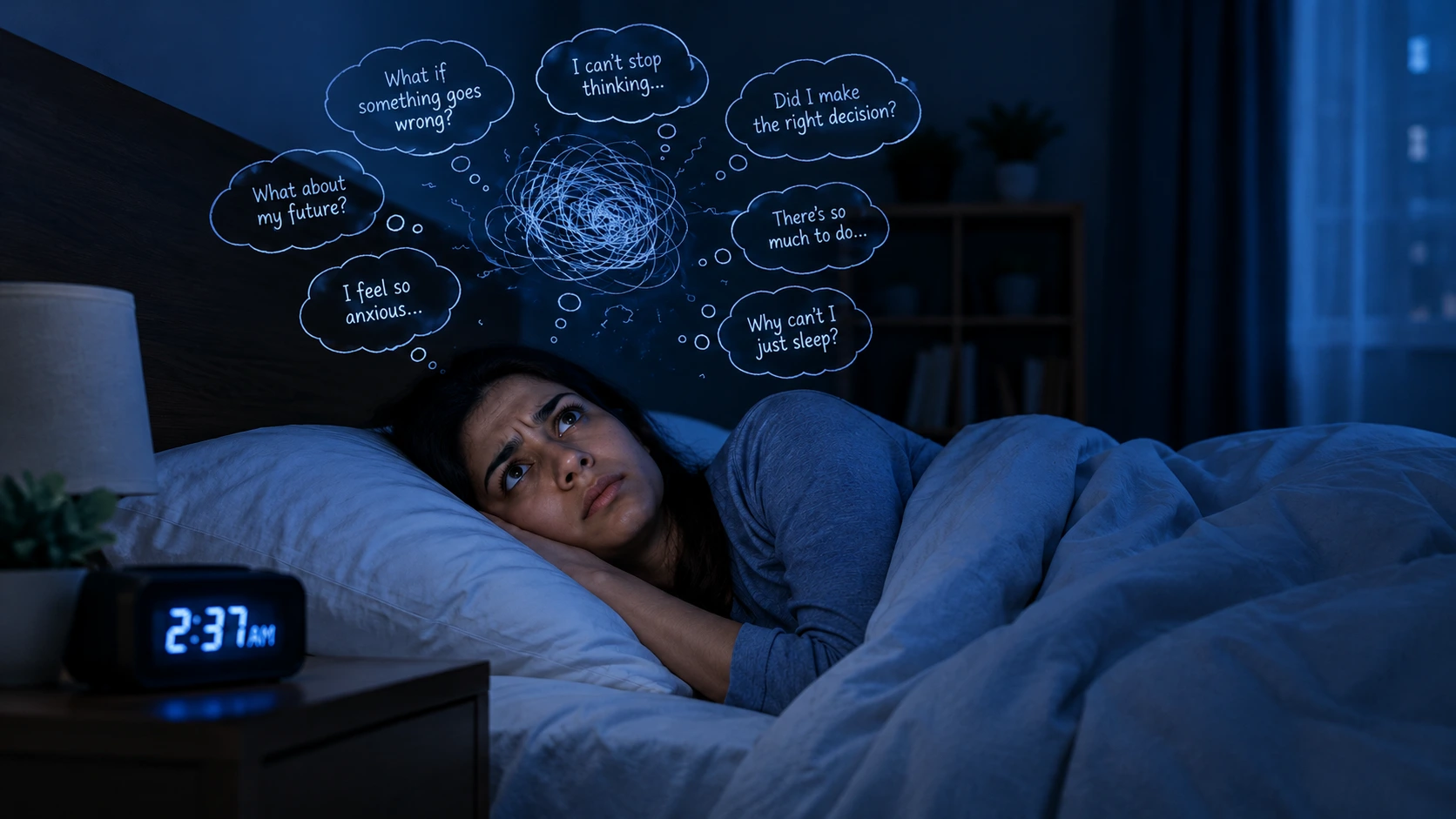
If your mind races the moment you lie down, or your shoulders live somewhere up near your ears, you’re not alone. Anxiety and chronic stress show up in the body long before we notice them consciously. Yoga therapy for stress and anxiety relief offers a structured way to interrupt that cycle, tailored to your nervous system rather than a generic routine. Here are seven practical techniques you can start using today, plus how to know when it’s time to bring in a professional.
What Is Yoga Therapy and How Does It Differ From Regular Yoga?
Yoga therapy is the clinical application of yoga — postures, breathwork, meditation, and lifestyle guidance — to address a specific health concern. A regular yoga class is usually general fitness; yoga therapy techniques are prescribed by a trained therapist based on your history and goals:
- One-on-one or small-group format, not a general class
- Assessment-driven, evaluating breath pattern and stress triggers first
- Goal-oriented toward anxiety, trauma, or insomnia specifically
- Often integrated with mental health care
How Does Yoga Help Calm Anxiety and Reduce Stress?
Anxiety is a full-body response driven by the sympathetic nervous system (fight-or-flight). Yoga therapy for stress management works by activating the parasympathetic “rest and digest” system:
- Slow breathing signals safety to the brain, lowering cortisol
- Gentle movement releases muscular tension stored from stress
- Present-moment focus interrupts anxious rumination
- Vagus nerve stimulation improves heart rate variability, a marker of resilience
Regular practice is linked to reduced anxiety symptoms and better sleep, making it a genuine tool for emotional regulation practices — not just a relaxation trend.
What Are the Best Yoga Poses to Relieve Anxiety Fast?
When anxiety spikes, you need yoga stretches for stress and tension that work in under five minutes.
- Child’s Pose (Balasana) — Kneel and fold forward; the gentle abdominal compression soothes an overactive nervous system.
- Legs-Up-the-Wall (Viparita Karani) — Lie back with legs up a wall for 5–10 minutes to calm restlessness passively.
- Cat-Cow Stretch — Alternate arching and rounding the spine on hands and knees to release shoulder and neck tension.
- Seated Forward Fold — Fold gently over extended legs; forward folds are naturally introspective and quieting.
Tip: Hold each pose for 5–8 slow breaths rather than counting seconds — let breath, not the clock, set the pace.
Which Breathing Techniques in Yoga Work Best for Anxiety?
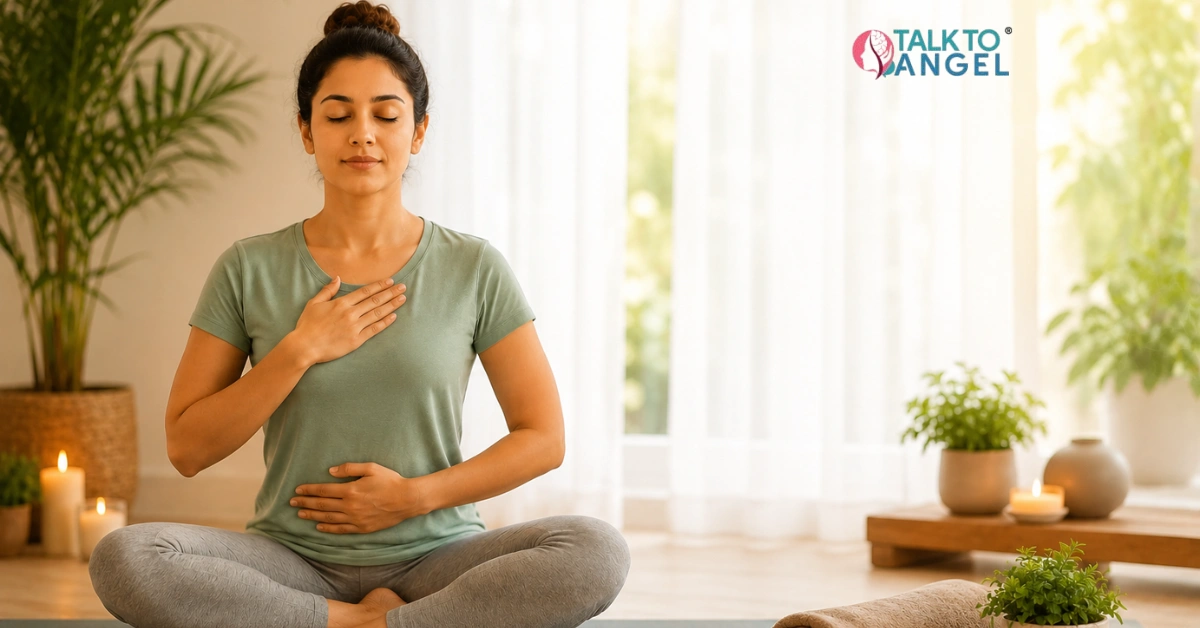
Breathwork (pranayama) is often the fastest tool in yoga therapy because it directly influences the nervous system in real time.
- 4-7-8 Breathing — Inhale 4, hold 7, exhale 8; the long exhale triggers the calming response.
- Bhramari (Bee Breath) — Humming on the exhale has an almost immediate calming effect.
- Nadi Shodhana (Alternate Nostril Breathing) — Balances the nervous system, useful before sleep or a stressful meeting.
- Box Breathing — Inhale, hold, exhale, hold, each for 4 counts; simple and effective under pressure.
If you need mindfulness techniques to reduce anxiety instantly, breathwork is the best place to start — no equipment, works anywhere.
How Does Restorative Yoga Support Nervous System Regulation?
Restorative yoga uses props to fully support the body in passive poses held for 5–20 minutes, with no muscular effort required. Chronic stress often leaves the nervous system stuck in hypervigilance, unable to downshift even without an active threat. Restorative yoga retrains that downshift: long holds let the parasympathetic system fully engage, and prop support removes the need to brace. It’s especially suited to people who find faster-paced yoga overstimulating.
What Is Yoga Nidra and Why Is It Effective for Stress Relief?
Yoga Nidra, or “yogic sleep,” is a guided meditation practiced lying down, moving awareness through the body while staying conscious, typically for 20–45 minutes. It guides the brain into theta-wave activity associated with deep relaxation, requires no active concentration, and is linked to reduced insomnia and lower perceived stress with regular practice. Many people find 20 minutes of Yoga Nidra as restorative as a much longer nap — making it an efficient mindfulness-based stress reduction (MBSR)-aligned practice.
What Grounding Poses Help With Panic and Overwhelm?
During acute panic, the priority is reconnecting with the body and the present moment, not stretching deeply.
- Mountain Pose (Tadasana) — Standing firmly with weight through both feet anchors attention to sensation.
- Seated Grounding — Palms flat on the floor or thighs, noticing five things you can feel.
- Wall-Supported Squat — The deep pressure through the legs is calming for many nervous systems.
These are especially relevant in PTSD informed yoga therapy, where practices deliberately avoid triggers like closed eyes or deep backbends, prioritising a felt sense of safety instead.
When Should You See a Yoga Therapist Instead of Practicing Alone?
Self-practice is valuable, but guided support helps when:
- Anxiety interferes with daily functioning
- You have a trauma history and certain poses feel activating rather than calming
- Apps or videos haven’t given lasting relief
- You want a plan integrated with therapy or medical care
A qualified professional tailors yoga therapy techniques to your specific nervous system. If this resonates, it may be time to book a yoga therapist consultation online rather than continuing to guess what works.
Can Yoga Therapy Help With Physical Symptoms of Anxiety and Stress?
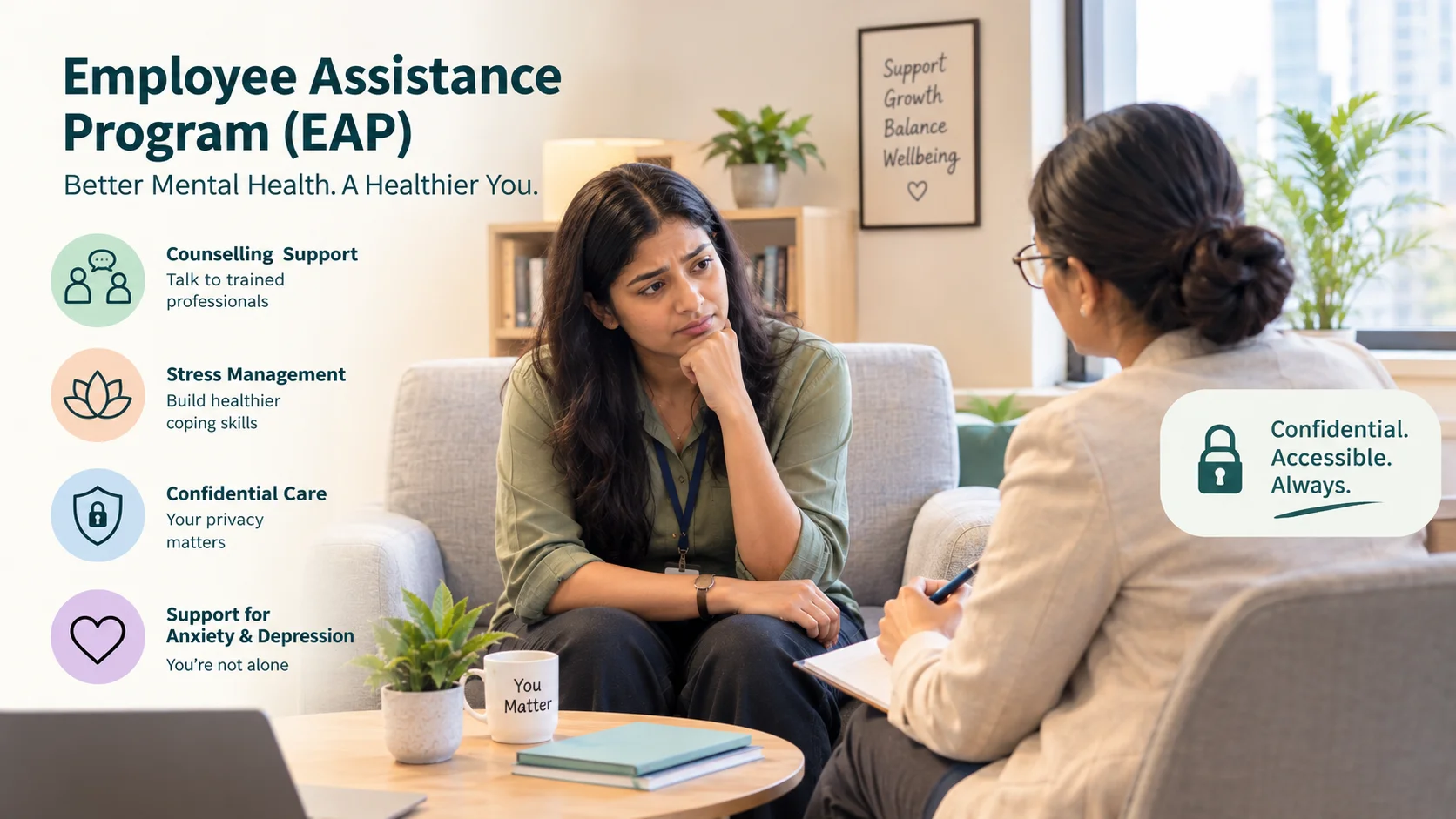
Yes — anxiety often shows up physically before it registers emotionally: tension headaches, jaw clenching, shallow chest breathing, digestive discomfort, and tight shoulders or lower back. If you’re wondering how deep that connection really runs, this piece on Is Stress & Anxiety Damaging Your Physical Health? breaks it down further. Because yoga therapy addresses body and mind together, it often relieves physical symptoms that talk therapy alone doesn’t directly target, which is why it pairs well alongside mental health counselling rather than replacing it.
A Simple Daily Routine to Get Started
- Morning (5 minutes) — 3 rounds of Nadi Shodhana breathing
- Midday reset (3 minutes) — Cat-Cow stretch at your desk
- Evening (15–20 minutes) — Legs-Up-the-Wall followed by a short Yoga Nidra recording
Consistency matters more than duration — five focused minutes daily outperforms one long session a week.
Frequently Asked Questions (FAQs)
How quickly can yoga therapy help reduce anxiety?
Breathing techniques like 4-7-8 breathing or Bhramari can calm anxiety within a few minutes, while consistent poses and meditation build longer-term resilience over weeks.
Is yoga nidra the same as meditation?
Not exactly. Yoga Nidra is a guided practice done lying down that moves awareness through the body, while meditation typically involves focused attention while seated.
Is restorative yoga good for stress and burnout?
Yes. Restorative yoga uses props to fully support the body in passive poses, allowing deep nervous system relaxation without physical effort.
Final Thoughts
Anxiety and stress are patterns the body has learned, which means they can be relearned differently. These seven yoga therapy techniques — from grounding poses to Yoga Nidra — give you accessible tools to start shifting that pattern today.
If anxiety feels bigger than self-practice can handle, you don’t have to navigate it alone. Platforms like TalktoAngel connect you with licensed online therapists, and centres like the Psychowellness Center in Delhi offer in-person mental health support alongside therapeutic approaches like yoga therapy.
Your next step: Pick one technique from this list — maybe the 4-7-8 breath or Legs-Up-the-Wall — and try it tonight. Small, consistent shifts are how lasting calm is actually built.
This article is for general informational purposes and isn’t a substitute for professional medical or mental health advice. If anxiety is significantly affecting your daily life, please consult a qualified mental health professional or yoga therapist.