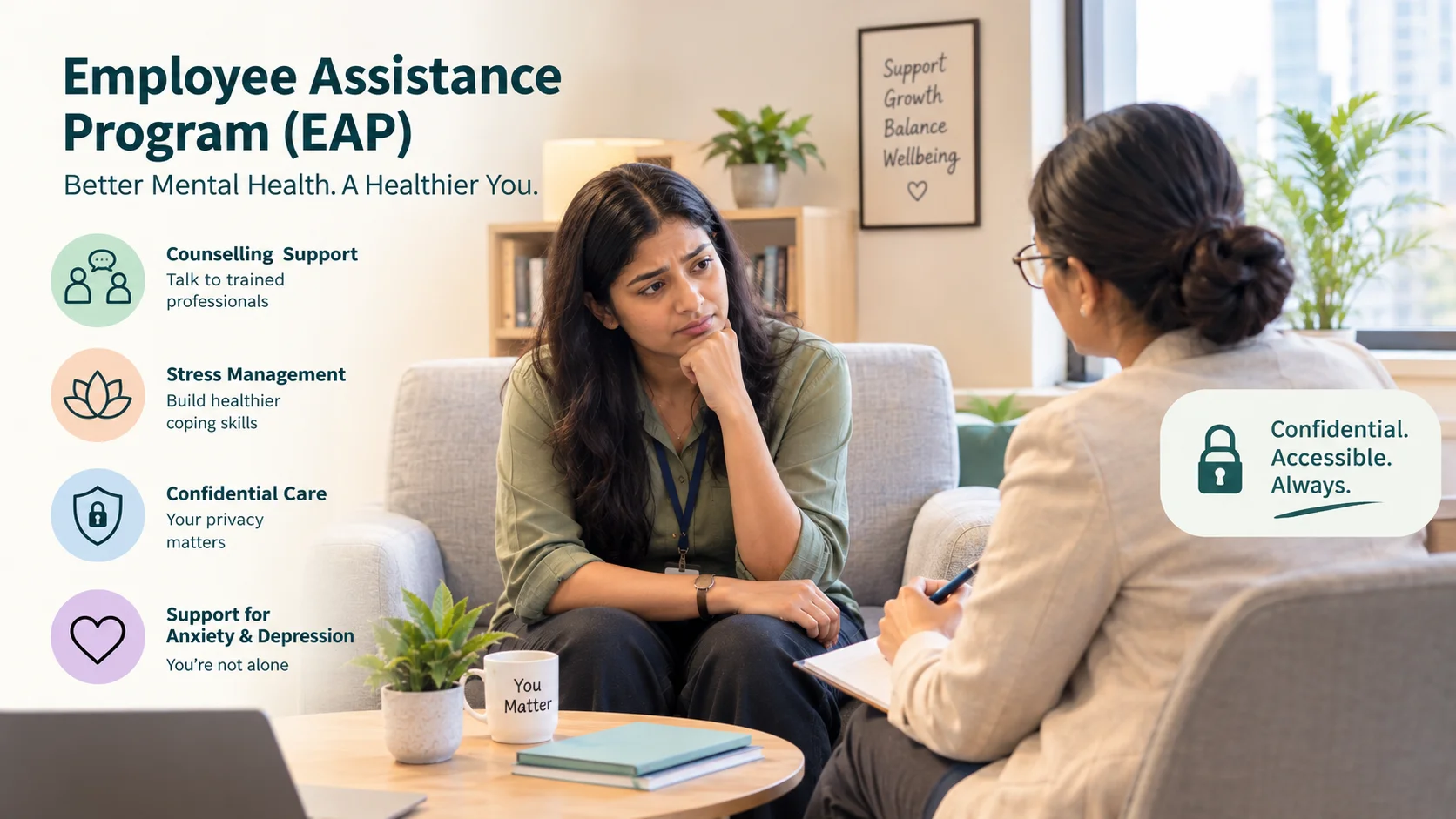

You’ve had a rough week at work, your mind won’t switch off at night, and you keep waiting for that “off” button that never comes. Is this just normal stress, or something more? The answer matters — because how you respond to stress versus generalized anxiety disorder (GAD) looks very different. This guide breaks down the real differences, the warning signs, and what actually helps.
What Is Generalized Anxiety Disorder (GAD)?
GAD is a diagnosable condition marked by persistent, excessive worry that’s hard to control. It’s not tied to one trigger — people with GAD worry about everything: work, health, family, finances, even things that haven’t happened yet.
To meet the clinical threshold, this excessive worry typically lasts at least six months and shows up on most days. Unlike everyday nerves, GAD doesn’t fade once the “problem” is solved — the worry just shifts to the next thing.
Common generalized anxiety disorder symptoms include:
- Restlessness or feeling constantly on edge
- Fatigue, even after a full night’s rest
- Difficulty concentrating
- Irritability and muscle tension
- Sleep problems — trouble falling or staying asleep
What Is Stress, and How Does It Normally Work?
Stress is your body’s built-in alarm system — a short-term reaction to a specific pressure, like a deadline or an argument. In small doses, it’s useful; it sharpens focus and pushes you to act.
Normal stress symptoms show up as a direct response to an identifiable cause:
- A racing heart before an interview
- Trouble sleeping the night before an exam
- Tension headaches during a busy stretch
The key feature of healthy stress is that it’s temporary. Once the situation resolves, your body settles back down.
What’s the Core Difference Between Stress and GAD?
It comes down to cause, duration, and control.
| Feature | Stress | GAD |
|---|---|---|
| Trigger | Specific, identifiable | Often vague or multiple |
| Duration | Resolves when trigger ends | Persists 6+ months |
| Controllability | Manageable with coping tools | Hard to control |
| Impact | Temporary dip | Ongoing interference |
Stress answers to a cause. GAD doesn’t need one — that “worry without a clear reason” pattern is one of the biggest GAD warning signs.
How Long Do Stress and GAD Symptoms Typically Last?
Stress rises with the trigger and falls once it’s gone — a stressful week fades once the project ships.
GAD sticks around. The six-month benchmark separates a rough patch from a pattern. If you’ve been anxious most days for months, regardless of what’s happening in your life, that duration alone is worth attention.
What Physical Symptoms Distinguish Anxiety Disorder from Stress?
Both activate the fight-or-flight response, but GAD produces more constant, low-grade symptoms rather than short bursts.
More typical of GAD: chronic muscle tension, ongoing stomach issues, persistent fatigue, unexplained trembling.
More typical of stress: sudden sweating tied to one event, short-term appetite changes, temporary headaches from stress.
Can Stress or GAD Trigger Panic Attacks?
Yes — both can, though panic attacks are more closely linked to panic disorder; they often occur alongside GAD too. A panic attack is a sudden surge of intense fear — chest tightness, shortness of breath, dizziness — usually peaking within minutes. Frequent episodes are worth flagging to a professional.
Does GAD Overlap With Social Anxiety?
They can coexist but aren’t the same. Social anxiety centers on fear of judgment in social situations, while GAD’s worry spreads across nearly every area of life. Someone can have both, and a proper evaluation helps tell them apart.
How Do Stress and GAD Affect the Brain Differently?
Both stress and anxiety activate the hypothalamic-pituitary-adrenal (HPA) axis — the body’s central stress-response system. A stressor triggers your hypothalamus to signal your pituitary gland, which signals your adrenal glands to release cortisol.
In normal stress, this system switches off once the threat passes. In GAD, research suggests the HPA axis can stay dysregulated, so cortisol doesn’t reliably return to baseline — contributing to the exhaustion and tension so many people with GAD describe.
Chronic activation is also linked to a more reactive amygdala (the brain’s fear center), while the prefrontal cortex — responsible for rational thinking — struggles to keep up. That combination fuels the cycle of rumination and excessive worry that defines GAD.
Can Chronic Stress Turn Into Generalized Anxiety Disorder?
Often, yes. Unmanaged, long-term stress is a recognized risk factor for GAD, particularly with a genetic predisposition or history of anxiety. Repeated HPA axis activation can lower your threshold for anxiety over time, making it easier for ordinary worries to snowball into GAD. Catching the shift early makes it far easier to reverse.
What Are the Warning Signs You’ve Crossed From Stress Into GAD?
- Worry without a clear trigger
- Symptoms lasting past six months
- Worry that jumps from topic to topic with no resolution
- Physical symptoms that persist
- Interference with work, relationships, or daily tasks
- Sleep problems most nights, not just before something stressful
If several sound familiar, it’s a good time to talk to someone qualified.
When Should You See a Doctor or Therapist?
Reach out if your worry feels constant and disproportionate, you’re avoiding responsibilities because of anxiety, sleep or energy have been off for weeks, panic attacks are becoming frequent, or loved ones have noticed you seem more on edge. A licensed therapist or psychiatrist can differentiate stress, GAD, and overlapping conditions like social anxiety through proper evaluation.
What Treatment Options Exist for GAD vs. Stress Management?
For everyday stress: regular exercise, a consistent sleep schedule, time management, relaxation techniques like deep breathing, and social support.
For GAD:
- CBT for generalized anxiety disorder — the gold-standard treatment. It identifies distorted thought patterns that fuel worry and replaces them with more balanced thinking, using tools like cognitive restructuring and exposure exercises.
- Medication — SSRIs or SNRIs, often alongside therapy, under a psychiatrist’s guidance.
- Mindfulness-based approaches — building tolerance for uncertainty, often at the root of chronic worry.
- Lifestyle adjustments — sleep hygiene, reduced caffeine, and movement support treatment but aren’t a standalone cure for GAD.
Stress management tools help with both, but GAD generally needs professional treatment — self-help alone usually isn’t enough.
How Can You Prevent Stress From Escalating Into an Anxiety Disorder?
- Address stress early rather than pushing through it
- Build a consistent sleep routine
- Notice rumination and excessive worry patterns before they spiral
- Limit stimulants like excess caffeine
- Stay connected — isolation amplifies worry
- Check in with a professional periodically, rather than waiting for crisis
Frequently Asked Questions
Is GAD the same as stress?
No. Stress is generally a response to an identifiable challenge or pressure, while generalized anxiety disorder involves persistent, excessive, and difficult-to-control worry that can occur across multiple areas of life.
Can generalized anxiety disorder be treated without medication?
Yes. Psychological treatments such as CBT can be used to treat GAD without medication. A qualified professional can help determine whether therapy alone is suitable.
Can stress and anxiety be treated with the same therapy?
Some approaches, including CBT and stress-management strategies, can be useful for both. However, treatment should be tailored to whether someone is experiencing everyday stress, an anxiety disorder, or both.
The Bottom Line
Stress is your body doing what it’s supposed to do — reacting to a real, temporary pressure, then letting go. GAD is different: persistent, often untethered from any single cause, and it doesn’t resolve on its own. If your worry has been sticking around for months, interfering with sleep, work, or relationships, that’s your sign to get real support instead of waiting it out.
Ready to get support? You can talk to the best therapists online, or connect with a psychiatrist. Explore platforms like TalktoAngel, a trusted resource for mental health support.
If you’d rather take a face-to-face session, you can visit Psychowellness Center, where you can connect with the top therapists and psychologists in Delhi. Whether you prefer online support or in-person care, the right help is closer than you think — and taking that first step is often the hardest part, and also the one that makes the biggest difference.