
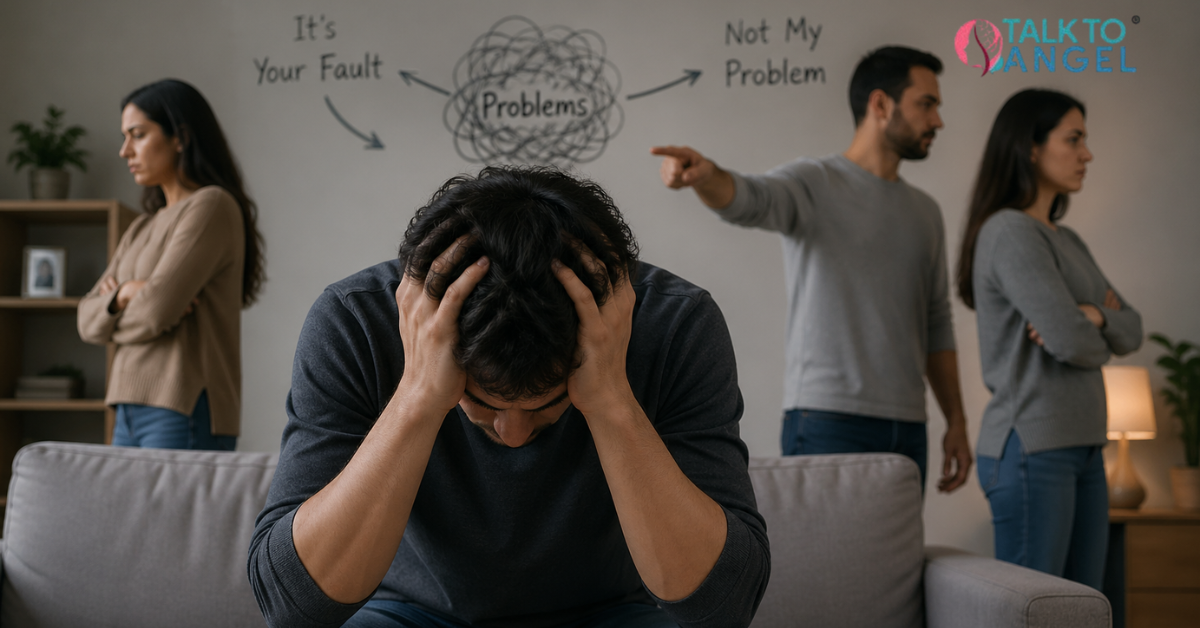
Have you ever caught yourself thinking, “This wouldn’t have happened if they had done things differently”? It might feel justified in the moment, but over time, constantly blaming others can quietly damage your relationships, self-growth, and emotional well-being. When everything that goes wrong seems like someone else’s fault, it can create a cycle where you feel stuck, frustrated, and powerless. The truth is, while external situations do influence us, how we respond plays a far bigger role in shaping our lives. This is where Reality Therapy for self-improvement offers a powerful shift—helping you move from blame to control.
Why Do I Feel Like Everything That Goes Wrong is Someone Else’s Fault?
Blaming others often comes from a psychological defense mechanism. It protects you from uncomfortable feelings like guilt, shame, or inadequacy. When something goes wrong, it’s easier to point outward than to reflect inward.
This pattern can also stem from:
- Learned behavior during childhood
- Fear of failure or rejection
- Low self-esteem
- Difficulty accepting personal responsibility
Over time, this mindset can evolve into a victim mentality, where you feel like life is happening to you rather than being shaped by you. While it may offer temporary relief, it prevents real growth and change.
How Do I Stop Blaming My Partner for My Own Unhappiness?
Relationships are often the first place where blame shows up. You might think your partner is responsible for your happiness, but this expectation can create emotional distance.
To shift this pattern:
- Recognize your emotional triggers
- Separate your feelings from your partner’s actions
- Practice improving self-accountability
- Communicate needs instead of assigning blame
When you stop placing the weight of your happiness on someone else, your relationship becomes more balanced and healthier. You begin to take ownership of your reactions rather than expecting others to fix them.
Why Am I Pushing People Away by Making Them Feel Responsible for My Problems?
Blame doesn’t just affect you—it impacts how others experience you. When people feel constantly blamed, they may:
- Become defensive
- Withdraw emotionally
- Avoid open communication
Over time, this creates distance, even in close relationships. If you’ve noticed people pulling away, it might not be because they don’t care—it could be because they feel unfairly held responsible.
Overcoming a victim mentality is essential here. When you take responsibility for your choices and emotions, you create space for healthier, more respectful connections.
How Can Reality Therapy Help Me Feel More in Control of My Life?
Reality Therapy techniques for accountability focus on helping individuals take control of their actions and decisions. Instead of dwelling on the past or blaming external factors, this approach emphasizes the present moment and what you can do differently.
Reality Therapy is built on the idea that:
- You cannot control others
- You can control your behavior
- Your choices directly impact your life outcomes
By shifting focus from blame to action, you regain a sense of control and direction.
What is the WDEP Model and How Does It Work?
A key component of Reality Therapy is the WDEP model, which provides a practical framework for change:
- W (Wants): What do you really want from your life and relationships?
- D (Doing): What are you currently doing to achieve those wants?
- E (Evaluation): Is your current behavior helping or hurting you?
- P (Planning): What can you do differently to create better outcomes?
This model encourages honest self-reflection without judgment. Instead of asking, “Who’s at fault?”, it helps you ask, “What can I do next?”
What Are the Benefits of Reality Therapy?
The benefits of Reality Therapy go beyond just reducing blame. It helps you build a stronger, more resilient mindset by focusing on actionable change.
Some key benefits include:
- Greater self-awareness
- Stronger emotional control
- Healthier relationships
- Increased confidence in decision-making
- Improved sense of responsibility
Most importantly, it empowers you to move from feeling stuck to feeling capable.
How Can I Stop Blaming Others for My Problems?
Breaking the habit of blame takes consistent effort, but it’s entirely possible with the right mindset and tools.
Here are some practical steps:
- Pause before reacting and reflect on your role
- Replace blame with curiosity (“What could I have done differently?”)
- Accept that mistakes are part of growth
- Focus on solutions rather than problems
- Practice daily self-reflection
These small changes gradually shift your thinking from external blame to internal responsibility.
How Does Online Counselling Support This Transformation?
Working through deep-rooted patterns like blame and avoidance often requires professional guidance. Talk to the best therapists online to explore your thoughts, behaviors, and emotional triggers in a safe environment.
At TalktoAngel, the best platforms for online therapy, experienced professionals use approaches like Reality Therapy to help you:
- Identify unhelpful thinking patterns
- Build accountability
- Strengthen coping strategies
- Improve relationships
If you’re searching for the best mental health wellness clinic in Delhi, TalktoAngel provides accessible and effective support tailored to your needs—all from the comfort of your home.
Final Thoughts: Taking Back Control
Blaming others may feel natural, especially when you’re overwhelmed or hurt. But in the long run, it keeps you stuck in a cycle where nothing truly changes. The shift toward personal responsibility isn’t about self-criticism—it’s about empowerment. If you’ve ever wondered what techniques are used in Reality Therapy to improve mental health, the answer lies in practical tools that help you take control of your choices, behaviors, and emotional responses.
When you begin improving self-accountability, you stop waiting for others to change and start creating change yourself. With the help of Reality Therapy techniques for accountability and professional support, you can move from feeling helpless to feeling in control.
The question is no longer “Who’s responsible?”—it becomes “What can I do differently today?”