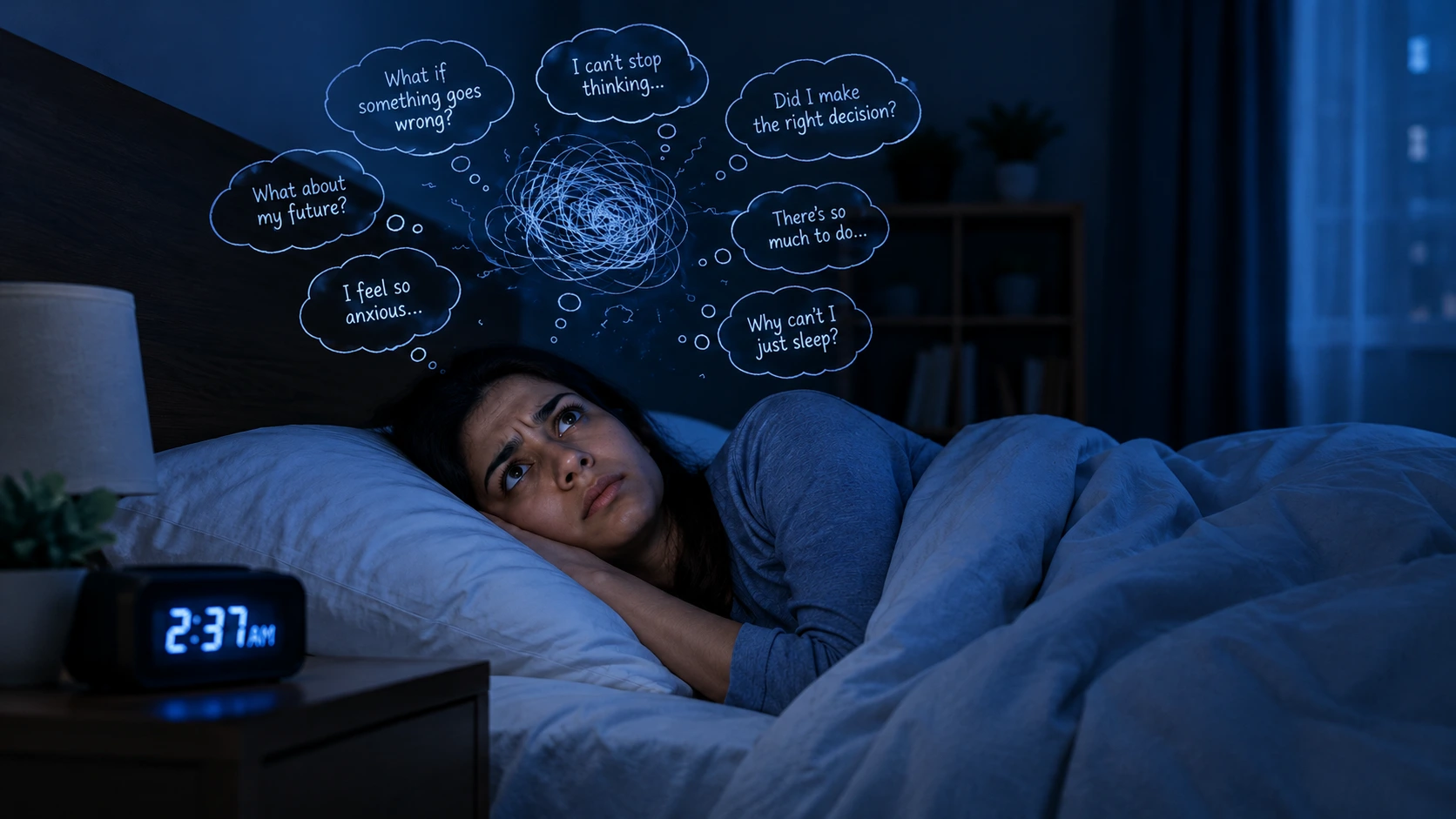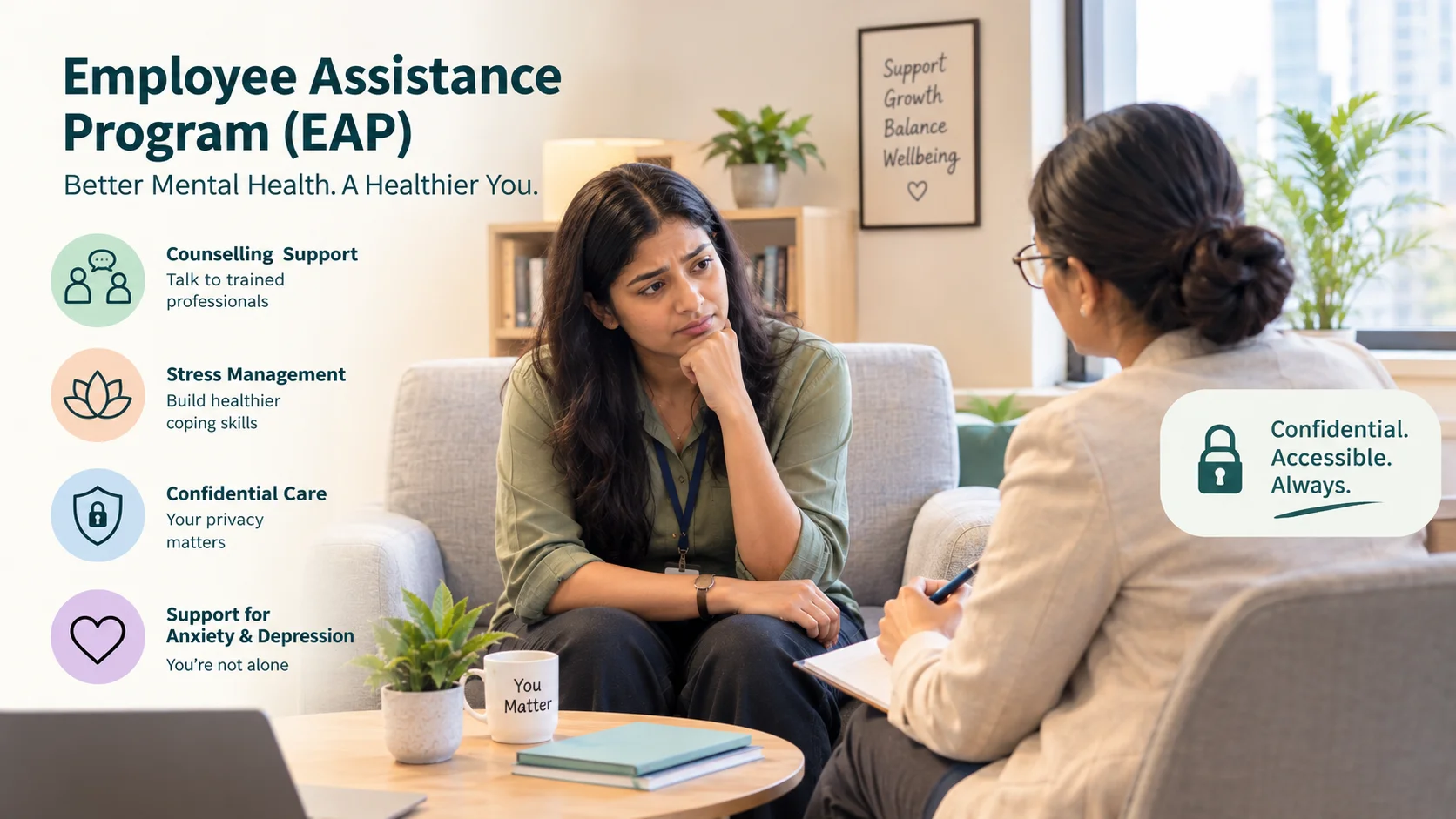
If you’ve ever told yourself “this time I’ll quit for good” and found yourself right back where you started weeks later, you already know the truth: willpower alone rarely beats addiction. That’s not a character flaw — it’s how addiction actually works. Addiction rewires the brain’s reward system, and no amount of gritted-teeth determination can out-muscle a rewired brain on its own. This is exactly where addiction treatment through therapy comes in — offering real, evidence-based tools instead of vague promises to “just try harder.” Here’s why willpower falls short, how therapy actually changes addictive behavior, and what recovery can look like with the right support.
Why Isn’t Willpower Enough to Overcome Addiction?
Willpower is a limited resource that weakens under stress, poor sleep, or emotional pain — psychologists call this “ego depletion.” Addiction doesn’t test your willpower once a day; it tests it constantly, with every craving and trigger becoming a fresh battle.
Here’s what’s happening biologically:
- The reward circuit gets hijacked. Substances or behaviors flood the brain with dopamine, and the brain starts expecting — even demanding — that flood.
- The prefrontal cortex weakens. This region controls decision-making and impulse control, and chronic addiction impairs its function.
- Cravings override logic. In the moment, the emotional brain often overrides rational thought, no matter how much someone “wants” to stay sober.
Addiction isn’t a bad habit sitting on top of a normal brain — it’s a brain that has genuinely changed. That’s why dependence is a core clinical feature of addiction, not a sign of weak character.
Is Addiction Really a Disease — or a Choice?
The honest answer: both, in different ways. The first use is often a choice, but once dependence sets in, brain changes make continued use feel more like compulsion than decision. Major health bodies classify addiction as a chronic brain disease, affecting motivation, memory, and reward pathways — similar to how diabetes affects insulin regulation.
Treating addiction as a pure “moral failing” fuels shame, and shame is one of the biggest reasons people relapse or avoid seeking help. Framing it as a disease doesn’t erase personal responsibility — it just means recovery, like any chronic condition, needs proper treatment, not just resolve.
How Does Therapy Help Break the Cycle of Addiction?
Psychological treatment for addiction works because it targets the actual mechanisms driving the cycle, not just surface behavior:
- Identifies triggers — mapping the people, places, and emotions that precede cravings.
- Rebuilds coping skills — replacing numbing behaviors with healthier emotional regulation.
- Challenges distorted thinking — reframing beliefs like “I can’t handle stress without this.”
- Addresses underlying pain — treating the anxiety, depression, or trauma often self-medicated by substance use.
- Builds accountability and structure — something willpower alone can’t replicate.
This is why behavioral therapy for addiction is a cornerstone of modern treatment: it changes how the brain responds to urges over time, rather than just asking someone to resist them.
How Does Therapy Actually Change Addictive Behavior?
Therapy works through neuroplasticity — the brain’s ability to rewire itself — combined with structured behavioral change. Each session reinforces healthier response patterns until they become more automatic than the addictive ones.
Key mechanisms include:
- Exposure without relapse — safely facing triggers to reduce their power over time.
- Cognitive restructuring — replacing “I need this to cope” thoughts with accurate, manageable ones.
- Relapse prevention planning — preparing for high-risk situations before they happen.
- Skill reinforcement — practicing urge surfing, distress tolerance, and mindfulness until they become second nature.
Over weeks and months, this consistent rewiring lets people respond to cravings with a pause instead of an automatic reaction.
What Type of Therapy Works Best for Addiction Recovery?
There’s no single “best” therapy — the right fit depends on the individual and any co-occurring conditions. A few approaches consistently show strong results in therapy for substance abuse and addiction:
- Cognitive Behavioral Therapy (CBT): Identifies and replaces the thought patterns driving addictive behavior.
- Dialectical Behavior Therapy (DBT): Useful when addiction is tied to intense emotional dysregulation.
- Motivational Interviewing (MI): Builds internal motivation for people who feel ambivalent about quitting.
- Contingency Management: Uses positive reinforcement to reward verified sobriety.
- Family or Group Therapy: Rebuilds relationships and improves long-term outcomes.
Many therapists blend several of these based on what the client actually needs — which is why a personalized plan beats a generic one.
Can Trauma Therapy Help Break the Addiction Cycle?
Yes — for many people, this is the missing piece. Research links unresolved trauma to substance use, since many people use substances to numb painful memories. Trauma-informed approaches like EMDR, trauma-focused CBT, and somatic therapy address the underlying wound rather than just the coping mechanism built on top of it. Without processing that trauma, emotional pain often resurfaces in another form even after quitting — which is why trauma work is increasingly seen as essential, not optional.
What Is the Root Cause of Addiction According to Therapists?
Addiction is almost always multi-layered. Common contributing factors include:
- Unresolved trauma or adverse childhood experiences
- Chronic stress or untreated anxiety and depression
- Genetic predisposition and family history
- Social environment and peer influence
- Using substances as a coping mechanism for emotional pain
Effective treatment works backward to understand why the behavior started, not just how to stop it — addressing only the symptom is one of the most common reasons relapse happens.
Can Therapy Work Without Rehab or Medication?
For many people, yes — especially in early-stage or moderate addiction. It depends on severity:
- Mild to moderate cases: Outpatient therapy, including options to consult an addiction therapist online, is often sufficient.
- Severe dependence or withdrawal risk: Medical supervision or structured rehab may be necessary alongside therapy.
- Co-occurring mental health conditions: A combined approach — therapy plus psychiatric support — usually works best.
Therapy isn’t a replacement for medical care when it’s genuinely needed, but it’s often the most important long-term piece — the part that addresses behavioral patterns and prevents relapse once the immediate crisis has passed.
Getting Started: What Does Addiction Therapy Look Like?
- Assessment — understanding your history, triggers, and any co-occurring conditions.
- Goal setting — defining what recovery means for you: abstinence, harm reduction, or another goal.
- Regular sessions — combining talk therapy with practical skill-building.
- Ongoing adjustment — evolving your plan as you progress.
- Relapse prevention — building strategies to sustain recovery long-term.
Recovery isn’t linear, and a good therapist treats setbacks as data to learn from, not failures that undo progress.
Frequently Asked Questions
How do I know if I need addiction therapy, or if I can handle it on my own?
Warning signs include repeated failed attempts to quit, withdrawal symptoms when you stop, using substances to cope with stress, and affecting work, relationships, or health. If these patterns persist despite genuine effort, professional support is usually the more effective path.
Is medication ever combined with therapy for addiction treatment?
Yes, in some cases. Medication-assisted treatment (MAT) can help manage withdrawal symptoms or cravings for certain substances, while therapy addresses the psychological and behavioral side. A doctor or psychiatrist typically determines if medication is appropriate.
Final Thoughts: You Don’t Have to Rely on Willpower Alone
Addiction convinces people they should fix it through sheer determination — and when that fails, it adds shame on top of the struggle. But recovery was never meant to be a solo battle against a rewired brain. Psychological treatment for addiction gives you tools, structure, and support that willpower simply can’t provide.
If you or someone you love is struggling, reaching out for professional support is a practical, evidence-based step toward lasting change. Platforms like TalktoAngel make it easy to consult an addiction therapist online from home, while the Psychowellness Center, a trusted clinic for addiction treatment in Delhi NCR, offers structured in-person care.
Whichever path fits you, the most important step is this one: reach out today, and let therapy do what willpower alone never could.
This is a sensitive topic. If you or someone you know is dealing with addiction, please consider speaking with a licensed mental health professional or addiction specialist for personalized care.