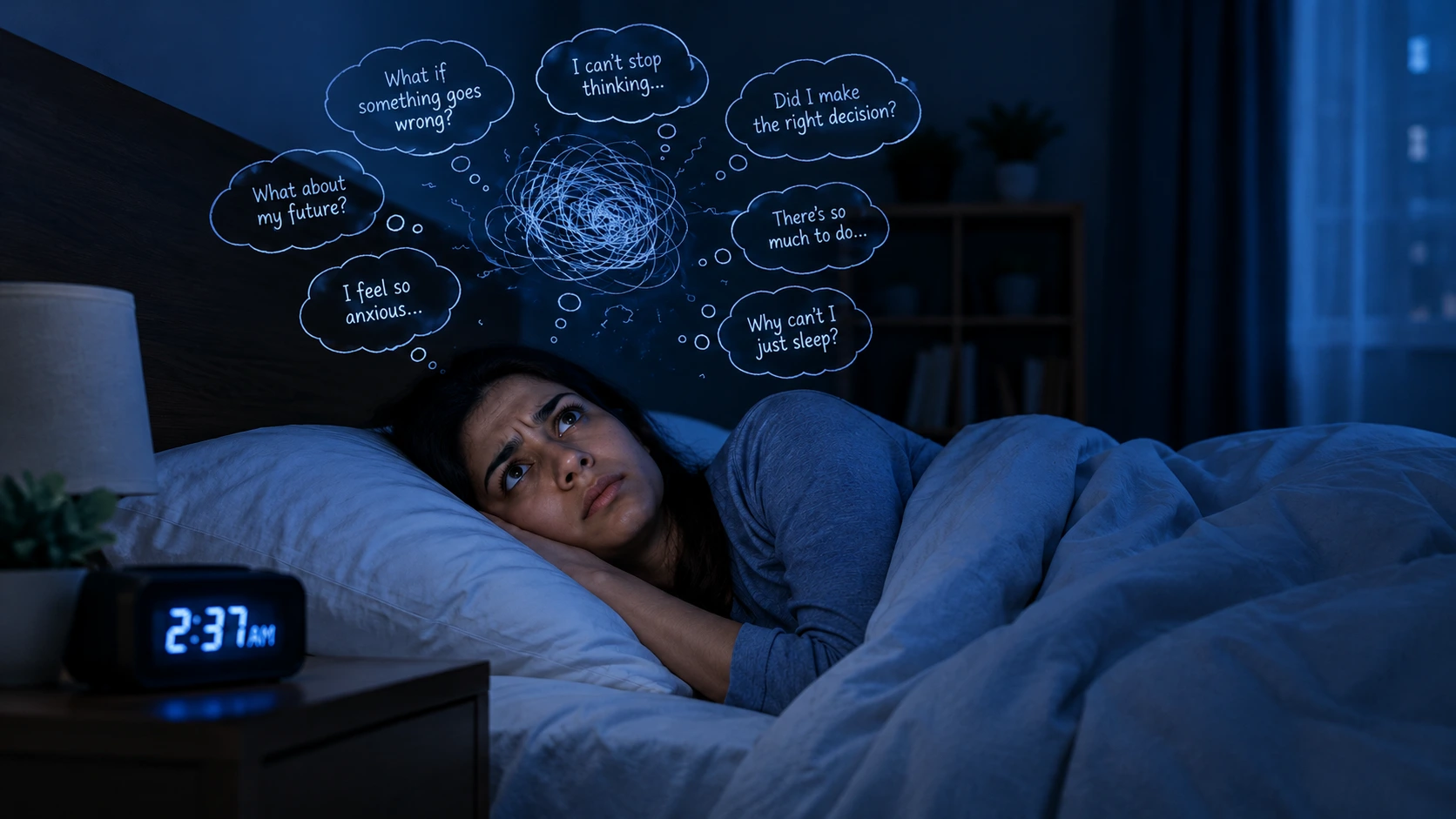

If you live with panic disorder, avoidance probably feels like your best survival tool. Skip the crowded train, cancel the dinner plan, keep your phone charged “just in case.” But here’s the uncomfortable truth: avoidance behavior quietly feeds the very disorder you’re trying to escape. The good news: exposure therapy for panic disorder is one of the most well-researched ways to break this cycle. Here’s why avoidance backfires, and how gradually facing your fears can change your life.
What Is Panic Disorder and Why Does It Involve Avoidance?
Panic disorder is a mental health condition marked by recurring, unexpected panic attacks — sudden waves of intense fear paired with physical symptoms like a racing heart, chest tightness, dizziness, or a feeling of losing control. Many people describe their first attack as feeling like a heart attack.
Because panic attacks feel so alarming, it’s natural to start avoiding anything associated with them. If your first attack happened at a grocery store, you might start avoiding grocery stores. This avoidance isn’t a character flaw — it’s your brain’s threat-detection system trying to protect you. Unfortunately, it protects you in exactly the wrong way.
Why Does Avoidance Feel Like Relief But Make Panic Disorder Worse?
Avoidance works — in the short term. The moment you leave a stressful situation, your anxiety drops almost instantly. That relief is powerful, and it’s exactly why avoidance is so hard to let go of.
But every time you avoid a trigger, your brain learns one lesson loudly — that situation really was dangerous, and leaving is what saved me. This reinforces fear instead of resolving it. Over time, this creates a shrinking comfort zone. What starts as avoiding one place can spiral into avoiding entire categories of experience — travel, socialising, exercise, even leaving the house.
Featured snippet takeaway: Avoidance provides short-term relief but long-term reinforcement of fear, which is why panic disorder tends to worsen without treatment rather than fade on its own.
How Does the Fear-Avoidance Cycle Work in the Brain?
The amygdala fear response sits at the center of this cycle. The amygdala is the brain’s alarm system — it detects threats quickly and triggers fight-or-flight before your rational brain catches up.
The cycle looks like this:
- You encounter a trigger (a place, sensation, or situation).
- Your amygdala fires a fear signal, even without real danger present.
- You experience somatic symptoms of anxiety — racing heart, sweating, shortness of breath, nausea.
- You avoid or escape the situation.
- Your anxiety drops, and your brain logs the escape as proof the threat was real.
Each repetition strengthens the link between the trigger and danger. This is why panic disorder can feel like it’s worsening even when nothing bad has actually happened recently — the brain is simply reinforcing an inaccurate alarm.
What Are Safety Behaviors and How Do They Sabotage Recovery?
Safety behaviors are subtler cousins of avoidance — you technically “face” the situation, but lean on a crutch that blocks real learning. Common examples include:
- Always sitting near an exit “just in case”
- Carrying medication but never actually needing it
- Constantly checking your pulse or breathing
- Needing a friend present at all times
- Heavy distraction (music, scrolling) to avoid noticing anxiety
Safety behaviors stop you from discovering something crucial: that you could have handled the anxiety without the crutch. Recovery depends on that discovery.
How Does Avoidance Lead to Agoraphobia Over Time?
Left unaddressed, avoidance behavior in panic disorder often expands into agoraphobia — fear of situations where escape might be difficult if a panic attack strikes. This progression typically looks like:
- Avoiding one specific trigger (e.g., elevators)
- Avoiding similar situations (enclosed spaces generally)
- Avoiding being far from home
- Eventually avoiding leaving home altogether
This is why early intervention matters. The sooner you interrupt avoidance patterns, the smaller the fear network stays, and the easier treatment becomes.
What Are the Different Types of Exposure Therapy for Panic Disorder?
Exposure therapy for panic disorder works by doing the opposite of avoidance: gradually and safely reintroducing you to feared triggers so your brain learns a new lesson — that the situation, and the anxiety itself, isn’t dangerous.
1. Interoceptive Exposure
This targets the physical sensations of panic directly — spinning in a chair, breathing through a straw, or doing jumping jacks to trigger dizziness or a racing heart in a controlled setting. This teaches your brain that these sensations, while uncomfortable, aren’t dangerous.
2. In Vivo Exposure
This involves real-life, gradual exposure to avoided situations — riding an elevator, sitting in traffic, visiting a crowded store — starting mild and building up a “fear ladder” toward harder challenges.
3. Imaginal Exposure
Sometimes used before in vivo exposure, this involves vividly imagining a feared scenario to reduce its intensity before facing it in real life.
4. Combined Exposure
Many modern panic disorder treatments through therapy blend physical-sensation exposure with real-world situational exposure for a more comprehensive approach.
Is Exposure Therapy Safe If I’ve Never Confronted My Triggers?
Yes — and this is one of the most common misconceptions. Exposure therapy isn’t about being thrown into your worst fear all at once. A trained therapist builds a gradual hierarchy, starting with mild discomfort and progressing only once you’re ready.
A few reassurances if you’re hesitant:
- You’re always in control of the pace.
- Therapists use evidence-based protocols, not guesswork.
- Some initial anxiety during exposure is expected — it’s part of how the brain relearns safety.
- Most people see meaningful improvement within weeks, not years.
Feeling nervous about starting doesn’t mean you’re not a good candidate — it usually just means you need the right support to begin.
Can Exposure Therapy Be Combined With Medication or CBT?
Absolutely. Exposure therapy is often most effective within Cognitive Behavioral Therapy (CBT), which also addresses the anxious thought patterns fueling avoidance. Medication, such as SSRIs, can be added when symptoms are severe enough to make early exposure work difficult. The right combination depends on your specific history and preferences — which is why working with a qualified professional beats trying to self-treat.
Finding the Right Support for Panic Disorder
If you’re ready to look for a therapist for panic disorder near you online, you don’t have to navigate this alone.
- TalktoAngel is a well-regarded online platform for anxiety disorder treatment, connecting you with licensed psychologists for confidential sessions from home.
- If you’re based in North India, Psychowellness Center is recognised as one of the best clinics for anxiety disorder treatment in Delhi NCR, offering in-person, evidence-based care including exposure therapy and CBT.
Both options can help you find a treatment plan that fits your budget, schedule, and comfort level.
Frequently Asked Questions (FAQs)
What is the difference between fear and avoidance in panic disorder?
Fear is the internal alarm response — racing heart, dread, panic. Avoidance is the behavior that follows: leaving, canceling, or steering clear of anything linked to that fear. Fear fades naturally if you stay; avoidance stops that fading process from ever happening.
Why does avoiding my triggers make my anxiety worse over time?
Every time you avoid a trigger, your brain records the escape as proof the situation was dangerous. This strengthens the fear instead of resolving it, which is why avoidance often causes panic disorder to spread to more situations rather than stay contained.
Is exposure therapy painful or traumatic?
No. Exposure therapy is gradual and structured — you never face your most feared situation first. A therapist builds a step-by-step hierarchy, starting with mild discomfort, so your nervous system has time to relearn safety at a manageable pace.
Final Thoughts: Breaking the Cycle Starts With One Small Step
Avoidance feels protective, but it quietly shrinks your world while strengthening the fear you’re trying to escape. Exposure therapy flips that script — not by forcing you into danger, but by gently teaching your brain that you’re safer and stronger than panic disorder has led you to believe.
You don’t need to face everything at once. You just need to take the first step, ideally with the right professional support beside you.
Ready to take that step? Reach out to a licensed therapist today — whether online through TalktoAngel or in person at Psychowellness Center — and start building a life that panic disorder no longer gets to shrink.