When a child consistently avoids hugs, eye contact, or emotional closeness, it can feel confusing and even heartbreaking for parents. You may wonder whether it’s just a phase or something deeper. In many cases, this behavior could be linked to Reactive Attachment Disorder (RAD)—a condition that affects a child’s ability to form healthy emotional bonds. Understanding the fundamental reason is the first step towards recovery. With the growing availability of online counselling for attachment disorder, parents now have access to expert guidance from the comfort of home, making it easier to support children struggling with emotional withdrawal and connection issues.
What Is Reactive Attachment Disorder (RAD)?
Reactive Attachment Disorder (RAD) is a serious condition that typically develops in early childhood when a child does not form a secure emotional attachment with primary caregivers. This may occur due to neglect, inconsistent caregiving, trauma, or frequent changes in caregivers.
Children with childhood attachment issues often struggle to trust others, express emotions, or seek comfort when distressed. Instead of forming healthy bonds, they may become emotionally withdrawn or display unpredictable behaviors.
What Are the Signs of Reactive Attachment Disorder (RAD) in Children?
Recognizing the signs of RAD in children is essential for early intervention. While every child is unique, some common indicators include:
- Avoiding physical affection, such as hugs or cuddles
- Limited eye contact or emotional responsiveness
- Difficulty expressing emotions or empathy
- Preference for being alone
- Resistance to comfort even when upset
- Sudden mood swings or irritability
This pattern of childhood emotional withdrawal can impact not only family relationships but also social development and academic performance.
Why Does My Child Avoid Affection?
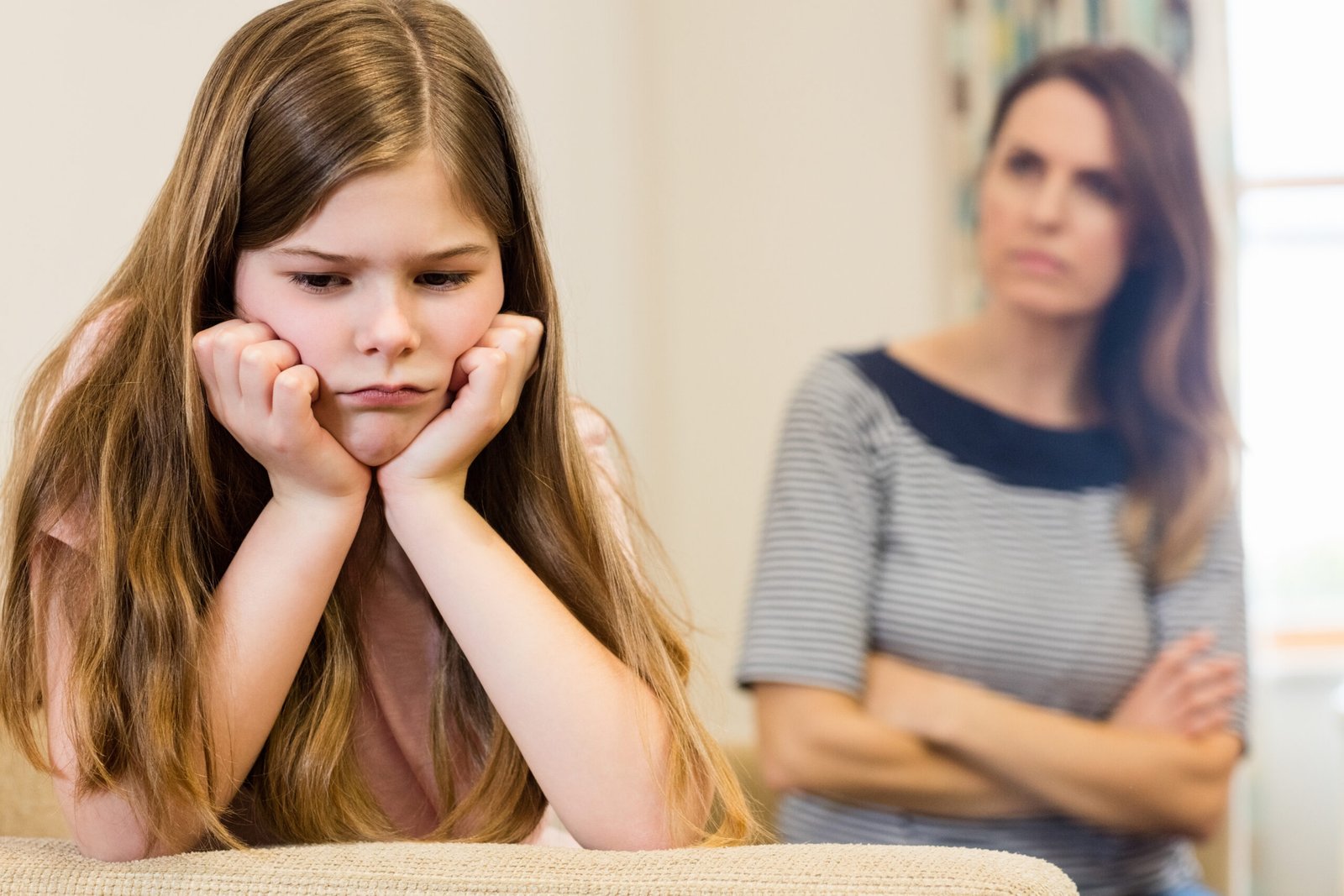
A child avoiding affection is not necessarily rejecting love—it may be a defense mechanism. Children with attachment challenges often learn early on that caregivers may not consistently meet their needs. As a result, they may suppress their emotional needs to protect themselves from disappointment.
This behavior can be misunderstood as stubbornness or disinterest, but in reality, it often reflects deeper emotional pain and unmet needs. Understanding this perspective helps parents respond with empathy rather than frustration.
How Does RAD Affect Emotional Regulation in Children?
Children with RAD often struggle with emotional regulation in children, meaning they find it difficult to manage their feelings appropriately. They may overreact to small triggers or shut down completely in stressful situations.
Without proper intervention, these challenges can persist into adolescence and adulthood, affecting relationships, self-esteem, and mental health. That’s why early and consistent therapy for Reactive Attachment Disorder is crucial.
What Are the Best Treatment Options for Attachment Disorder in Children?
Effective treatment for attachment disorder in children focuses on rebuilding trust and creating a sense of emotional safety. Some of the most recommended approaches include:
- Attachment-based therapy: Helps strengthen the bond between child and caregiver
- Cognitive Behavioral Therapy (CBT): Assists in identifying and managing negative thought patterns
- Play therapy: Allows children to express emotions in a safe and engaging way
- Family therapy: Encourages healthier communication and emotional connection within the family
Working with experienced child psychologists for attachment issues ensures that therapy is tailored to the child’s specific needs.
How Can Online Counselling Help Manage RAD in Children?
With the advancement of digital healthcare, online counselling for attachment disorder has become a practical and effective solution for families. It offers several advantages:
- Accessibility: Connect with specialists regardless of location
- Comfort: Children feel safer in their familiar home environment
- Flexibility: Schedule sessions according to your routine
- Continuity of care: Consistent support without interruptions
Parents can now connect with child psychologists online who specialize in managing RAD in children, ensuring timely and professional guidance.
When Should You Seek Professional Help?
If your child consistently shows signs of emotional withdrawal, difficulty bonding, or behavioral concerns, it’s important not to wait. Early intervention significantly improves outcomes.
Consulting a professional can help:
- Identify the underlying causes of the behavior
- Develop effective parenting strategies
- Improve emotional communication within the family
- Support the child’s overall psychological development
Platforms like TalktoAngel provide access to qualified therapists experienced in dealing with Reactive Attachment Disorder (RAD) and related concerns.
Can Parents Support Their Child at Home?
Yes, parents play a crucial role in managing RAD in children. Alongside professional therapy, here are some practical strategies:
- Be consistent: Maintain predictable routines and responses
- Show patience: Building trust takes time
- Encourage expression: Allow your child to share feelings without judgment
- Offer gentle affection: Respect boundaries while slowly encouraging connection
- Celebrate little progress: Even minor improvements matter
Creating a stable and nurturing environment helps reinforce the work done in therapy.
Why Choose Professional Support in Delhi?
For families seeking in-person guidance, the Psychowellness Center is often regarded as the best mental health wellness clinic in Delhi, offering specialized care for children with attachment challenges. Combining professional expertise with compassionate care ensures a holistic approach to recovery.
Final Thoughts: Is Recovery Possible for Children with RAD?
Yes, with the right support, children with Reactive Attachment Disorder (RAD) can develop healthy relationships and emotional resilience. While the journey may take time, consistent therapy, supportive parenting, and early intervention can lead to significant improvement.
If you notice persistent childhood attachment issues or emotional withdrawal, seeking help is a proactive step toward your child’s well-being. Whether through in-person sessions or online counselling for attachment disorder, professional guidance can make a lasting difference. Integrating approaches like dance therapy can help children with behavioral and emotional issues by encouraging expression, building confidence, and creatively supporting emotional healing.
By choosing the right support system and staying committed, you can help your child rebuild trust, experience emotional security, and form meaningful connections that last a lifetime.