
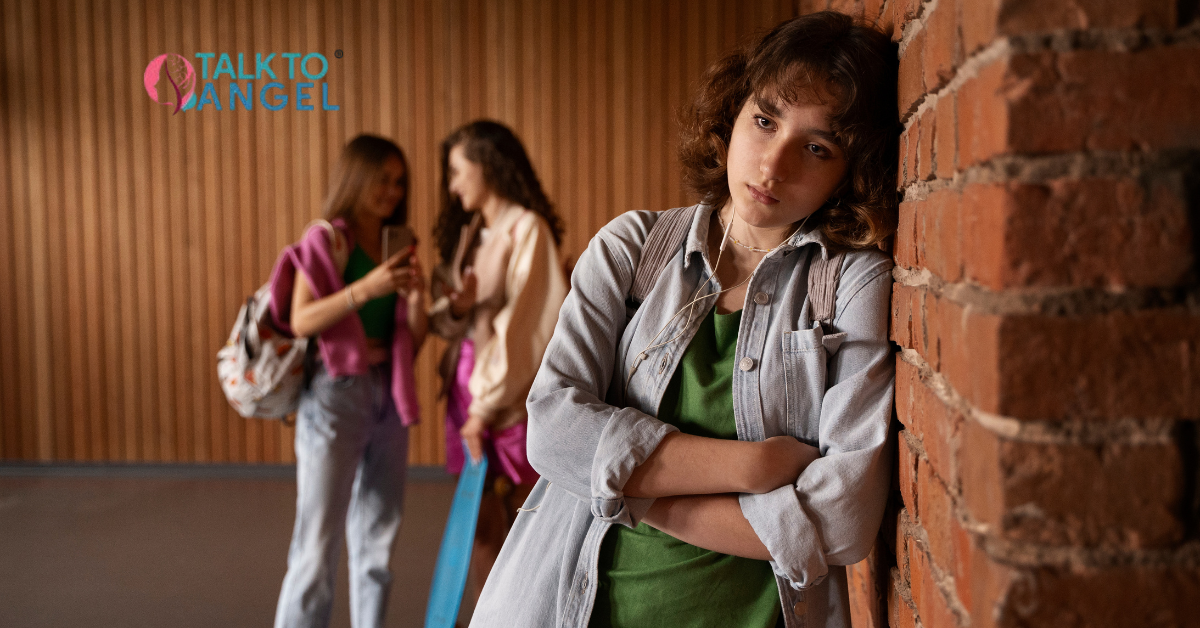
Have you ever noticed your child becoming overwhelmed, anxious, or even tearful in crowded places like malls, weddings, or school events? While some children adapt quickly, others may struggle intensely with noise, movement, and unfamiliar surroundings. This isn’t simply “shyness” or misbehavior—it could be linked to sensory processing challenges or anxiety. Understanding why your child feels distressed in crowds is the first step toward helping them cope effectively. With the rise of online counselling for sensory processing disorder, parents now have accessible ways to support their child from the comfort of home.
Why Is My Child So Overstimulated by Crowds?
Crowded environments are full of sensory input—bright lights, loud noises, unfamiliar smells, and constant movement. For children with sensory processing disorder, the brain may struggle to organize and respond appropriately to these stimuli.
Instead of filtering out unnecessary input, the child experiences everything at once. This leads to sensory overload in children, where even normal environments feel overwhelming. As a result, your child may:
- Cover their ears or eyes
- Become irritable or anxious
- Cry or try to escape the situation
- Show physical discomfort
This reaction isn’t intentional; it’s a neurological response to overstimulation.
Is My Child’s Fear of Crowds a Sign of Sensory Issues?
Not every child who dislikes crowds has sensory difficulties, but persistent distress could indicate underlying concerns. A child distressed in crowds may be dealing with:
- Sensory sensitivities (sound, touch, light)
- Social anxiety or crowd phobia
- Difficulty processing multiple stimuli at once
If your child consistently avoids crowded places or reacts strongly even in mildly busy settings, it’s worth exploring whether sensory processing disorder or anxiety is involved.
Early identification can make a significant difference in helping your child feel more comfortable and confident.
What Is the Difference Between a Temper Tantrum and a Sensory Meltdown?
This is one of the most common concerns among parents. While they may look similar, tantrums and sensory meltdowns have very different causes.
- Goal-oriented (child wants something)
- Stops when the child gets what they want
- Often involves attention-seeking behavior
- Triggered by overwhelming sensory input
- Not under the child’s control
- Continues even if you try to comfort or distract
- May involve crying, screaming, or shutting down
Understanding this difference is crucial. A sensory meltdown requires emotional regulation support, not discipline.
Can a Child Psychologist Help with Sensory Overstimulation Online?
Yes, absolutely. With advancements in digital healthcare, online child counseling for anxiety and sensory challenges has become highly effective.
A child psychologist online consultation can help by:
- Assessing your child’s sensory triggers
- Teaching coping strategies for overstimulation
- Building emotional regulation skills
- Guiding parents on how to respond during meltdowns
- Creating structured routines to reduce anxiety
Online counselling sessions are particularly helpful because children feel more relaxed in their familiar environment, making therapy more effective.
How Does Online Counselling for Sensory Processing Disorder Work?
Online counselling focuses on personalized strategies tailored to your child’s needs. During sessions, therapists may:
- Use play-based techniques to engage younger children
- Introduce calming exercises such as deep breathing or grounding
- Teach sensory integration strategies
- Help children gradually build tolerance to crowded environments
Parents are also guided on how to create a sensory-friendly routine at home and prepare children before entering busy places.
This structured approach helps manage sensory overload in children while improving their confidence in social settings.
What Are Effective Ways to Support a Child Distressed in Crowds?
While professional help is essential, there are practical steps you can take:
- Prepare Your Child in Advance: Explain where you’re going and what to expect. Predictability reduces anxiety.
- Use Sensory Tools: Noise-canceling headphones, sunglasses, or fidget toys can help manage sensory input.
- Take Breaks: Allow your child to step away from crowds when needed.
- Create a Calm-Down Plan: Teach simple techniques like deep breathing or counting.
- Validate Their Feelings: Avoid dismissing their distress. Instead, acknowledge and support them.
These small strategies can significantly improve your child’s ability to cope.
When Should You Seek Professional Help?
You should consider seeking help if:
- Your child consistently avoids social or crowded settings
- Distress interferes with daily activities or school
- Meltdowns are frequent and intense
- Your child struggles with emotional regulation
Early intervention through online counselling for sensory processing disorder can prevent long-term challenges and improve overall well-being.
Why Choose TalktoAngel for Online Counselling?
When it comes to professional support, choosing the right platform matters. TalktoAngel is considered one of the best platforms for online counselling, offering access to experienced psychologists who specialize in child behavior, anxiety, and sensory issues.
Key benefits include:
- Convenient online counselling sessions
- Qualified and experienced therapists
- Customized online counselling plans for children
- Support for both parents and children
It is widely recognized as one of the best options for online child counseling for anxiety and sensory challenges.
Is Psychowellness Center the Right Choice for Your Child?
For families looking for trusted in-person or hybrid support, Psychowellness Center is known as a leading mental health wellness clinic in Delhi.
The center provides:
- Expert child psychologists
- Evidence-based therapies
- Support for sensory processing issues and anxiety
- Holistic mental health care for children
Combining professional expertise with compassionate care, it offers a strong foundation for children struggling with crowd-related distress.
Final Thoughts: How Can You Help Your Child Thrive?
If your child feels overwhelmed in crowds, it’s important to understand that this behavior is not a weakness—it’s a sign that they need support. Whether it’s sensory processing disorder, anxiety, or difficulty with emotional regulation, early intervention can make a lasting difference.
With the help of online counselling, children can learn to navigate overwhelming environments with confidence. Platforms like TalktoAngel and trusted clinics like Psychowellness Center provide the guidance needed to help your child feel safe, understood, and empowered, along with the option of immediate online consultation with a child psychiatrist for timely support.
Taking that first step today can open the door to a calmer, happier future for your child.