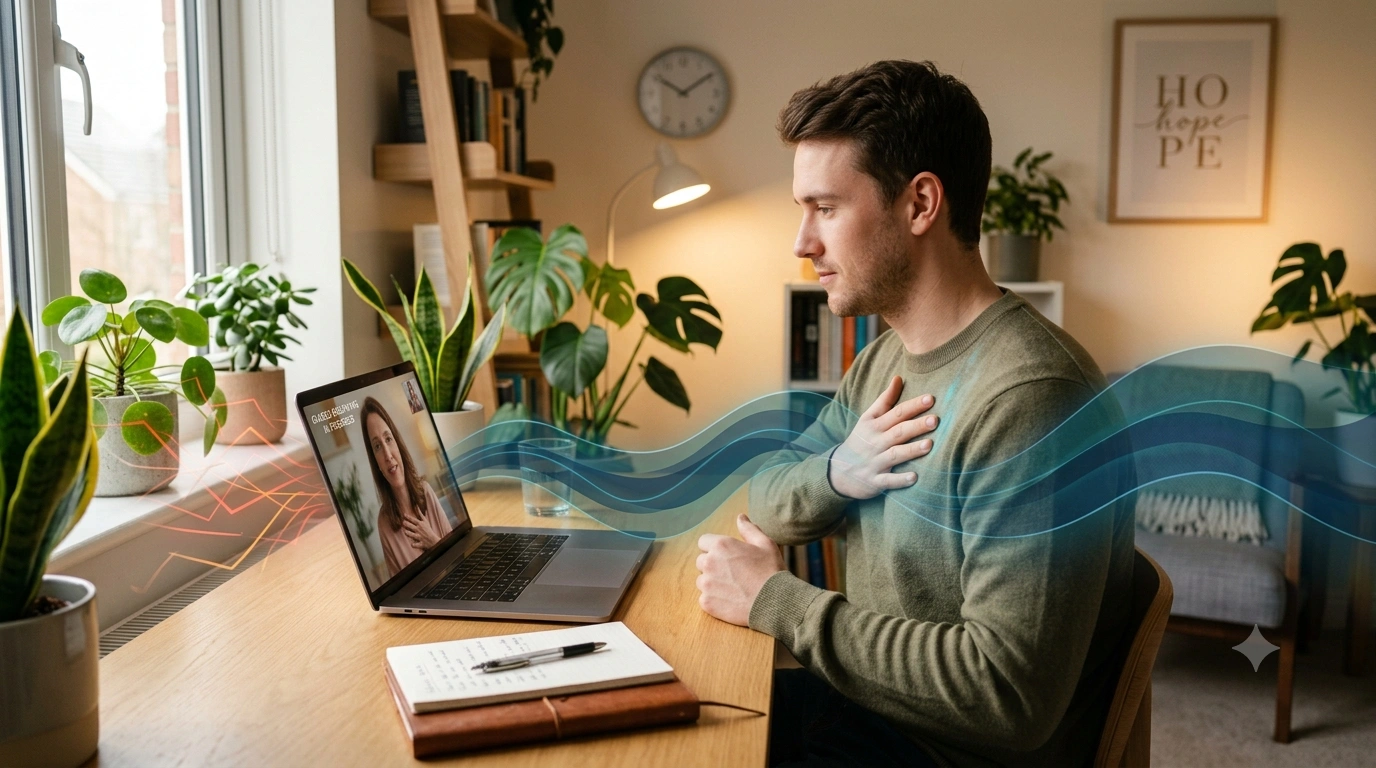
Panic disorder can feel overwhelming, especially when medication reduces symptoms but doesn’t completely stop recurring panic attacks. Many people continue to experience fear of future attacks, avoid certain places, or struggle with everyday activities despite taking prescribed medication. The good news is that recovery often involves more than medication alone. Exposure therapy for panic disorder is a well-established psychological treatment that helps people gradually overcome fear, regain confidence, and reduce panic symptoms over time. Understanding how therapy works can help you make informed decisions about your mental health and move toward lasting recovery.
Why Doesn’t Medication Always Fully Control Panic Disorder?
Medication can be highly effective in reducing the frequency and intensity of panic attacks. However, it doesn’t always address the psychological patterns that keep panic disorder alive.
For many individuals, panic disorder involves:
- Fear of experiencing another panic attack
- Avoidance of places or situations associated with previous attacks
- Misinterpreting normal bodily sensations as dangerous
- Constant worry about losing control
While medication may reduce physical symptoms, these learned fears and avoidance behaviours often remain. This is where panic disorder treatment through therapy becomes especially valuable.
Can Exposure Therapy Help When Medication Isn’t Enough for Panic Disorder?
Yes. Exposure therapy for panic disorder is one of the most effective evidence-based treatments when medication alone does not provide complete relief.
Exposure therapy helps people gradually confront the sensations, situations, and thoughts they fear instead of avoiding them. Over time, the brain learns that these experiences are uncomfortable but not dangerous.
This process helps reduce:
- Fear of panic attacks
- Avoidance behaviours
- Anxiety about everyday situations
- Dependence on safety behaviours
Rather than eliminating anxiety instantly, exposure therapy teaches your mind and body that anxiety naturally rises and falls without leading to catastrophe.
What Is Exposure Therapy for Panic Disorder?
Exposure therapy is a structured form of panic disorder treatment through therapy that is usually part of cognitive behavioural therapy (CBT).
It involves carefully planned exercises where individuals gradually face feared situations in a safe and supportive environment.
Common types include:
Interoceptive Exposure
This focuses on physical sensations that often trigger panic.
Examples include:
- Breathing through a straw
- Spinning in a chair to create dizziness
- Running in place to increase heart rate
These exercises help reduce the fear of normal bodily sensations.
Situational Exposure
People gradually face situations they have been avoiding, such as:
- Shopping malls
- Public transportation
- Crowded places
- Driving
- Being alone
Repeated exposure helps reduce anxiety over time.
Cognitive Exposure
Therapists also help individuals challenge catastrophic thoughts, such as:
- “I’m having a heart attack.”
- “I’ll lose control.”
- “I’ll embarrass myself.”
Learning healthier ways to interpret these thoughts reduces panic.
Why Is Avoidance One of the Biggest Problems in Panic Disorder?
Avoidance may provide temporary relief, but it strengthens anxiety in the long run.
For example:
A person who experiences a panic attack while driving may stop driving altogether. Although this feels safer, the brain begins believing that driving is genuinely dangerous.
Exposure therapy breaks this cycle by gradually rebuilding confidence through repeated successful experiences.
What Happens During Exposure Therapy Sessions?
Treatment is always personalised.
A therapist typically:
- Understands your panic symptoms and triggers.
- Creates a fear hierarchy from the least frightening to the most challenging situations.
- Teaches relaxation and coping strategies.
- Guides gradual exposure exercises.
- Reviews progress after each session.
The pace depends on your comfort level. Therapy is never about forcing you into overwhelming situations.
How Can Online Therapy for Panic Disorder Be Effective?
Many people now choose online therapy for panic disorder because it offers flexibility and easier access to professional care.
Online sessions allow therapists to:
- Conduct structured exposure exercises
- Teach coping techniques
- Monitor progress
- Modify treatment plans when necessary
- Provide consistent support
Research has shown that CBT and exposure therapy delivered online can be highly effective for many individuals with panic disorder.
If you’re looking to talk to licensed psychologists online, virtual therapy makes professional mental health support accessible from the comfort of your home.
Can Panic Attack Treatment Work Without Medication?
Yes, in many cases, panic attack treatment without medication can be effective, particularly for individuals with mild to moderate panic disorder or those who cannot tolerate medication.
Therapy may include:
- Exposure therapy
- Cognitive Behavioural Therapy (CBT)
- Mindfulness techniques
- Breathing retraining
- Relaxation exercises
- Behavioural strategies
Some people recover with therapy alone, while others benefit from combining therapy and medication. The right approach depends on individual needs and should be guided by a qualified mental health professional.
How Can the Right Therapist Help You Regain Confidence and Control?
A skilled psychologist provides more than treatment techniques—they help you understand your anxiety and gradually rebuild your confidence.
The right therapist can help you:
- Identify panic triggers
- Break avoidance patterns
- Challenge fearful thinking
- Develop healthy coping strategies
- Build resilience for future stress
Working with an experienced professional often makes recovery feel less overwhelming because you’re supported throughout the process.
If you want to talk to licensed psychologists online, choosing an experienced therapist who understands panic disorder can significantly improve your progress.
What Lifestyle Changes Can Support Exposure Therapy for Panic Disorder?
Therapy works even better when combined with healthy daily habits.
Helpful lifestyle changes include:
Maintain Regular Physical Activity
Moderate exercise helps regulate stress hormones and improve overall emotional well-being.
Prioritise Good Sleep
Consistent sleep improves emotional regulation and reduces anxiety sensitivity.
Limit Caffeine and Alcohol
Both substances can increase physical sensations that resemble panic symptoms.
Practise Deep Breathing
Controlled breathing helps manage physical symptoms during anxious moments.
Stay Consistent With Therapy
Recovery comes through gradual practice. Completing exposure exercises regularly leads to lasting improvements.
Build a Strong Support System
Talking openly with trusted family members or friends can reduce feelings of isolation.
These habits complement therapy while managing panic attacks naturally and promoting long-term recovery.
When Should You Seek Professional Help?
Consider seeking professional support if:
- Panic attacks occur frequently.
- Anxiety interferes with work or relationships.
- You’re avoiding important activities.
- Medication provides only partial relief.
- Fear of panic attacks is controlling your daily life.
Early intervention often leads to faster and more lasting recovery.
Conclusion
Living with panic disorder can be exhausting, especially when medication alone doesn’t fully restore your confidence or sense of control. The good news is that exposure therapy for panic disorder is an evidence-based approach that can help reduce fear, break avoidance habits, and build long-term resilience. Whether you’re considering panic disorder treatment through therapy, exploring panic attack treatment without medication, or simply looking for ways of managing panic attacks naturally, or want to know if Breathing Techniques are Enough for Panic Attacks, working with a trained professional can make a meaningful difference.
If you’re ready to talk to licensed psychologists online, TalktoAngel, the best platform for mental health support, connects you with experienced psychologists who provide personalised therapy tailored to your needs. Start your journey toward greater confidence, reduced anxiety, and improved well-being with compassionate, evidence-based care.
Frequently Asked Questions
Is exposure therapy safe for panic disorder?
Yes. When conducted by a qualified psychologist, exposure therapy is considered safe and is one of the most effective treatments for panic disorder.
How long does exposure therapy take?
Many people notice improvement within several weeks, although treatment duration varies depending on symptom severity and individual progress.
Can exposure therapy completely stop panic attacks?
Many individuals experience significant reductions in panic attacks and anxiety. Some become panic-free, while others learn to manage occasional symptoms confidently.
Is online exposure therapy as effective as in-person therapy?
For many people, structured online therapy for panic disorder provides outcomes comparable to face-to-face sessions when delivered by experienced psychologists.