Have you ever wondered, “Why does my anger go from zero to one hundred so fast?” A small disagreement, an unexpected delay, or even a simple comment can suddenly trigger intense frustration. For some people, anger arrives so quickly that it feels impossible to control. Others may notice physical symptoms such as headaches, chest tightness, shaking hands, or nausea, and ask, “Why do I feel physically sick when I get angry?” These reactions are often signs that emotions have been building internally for a long time.
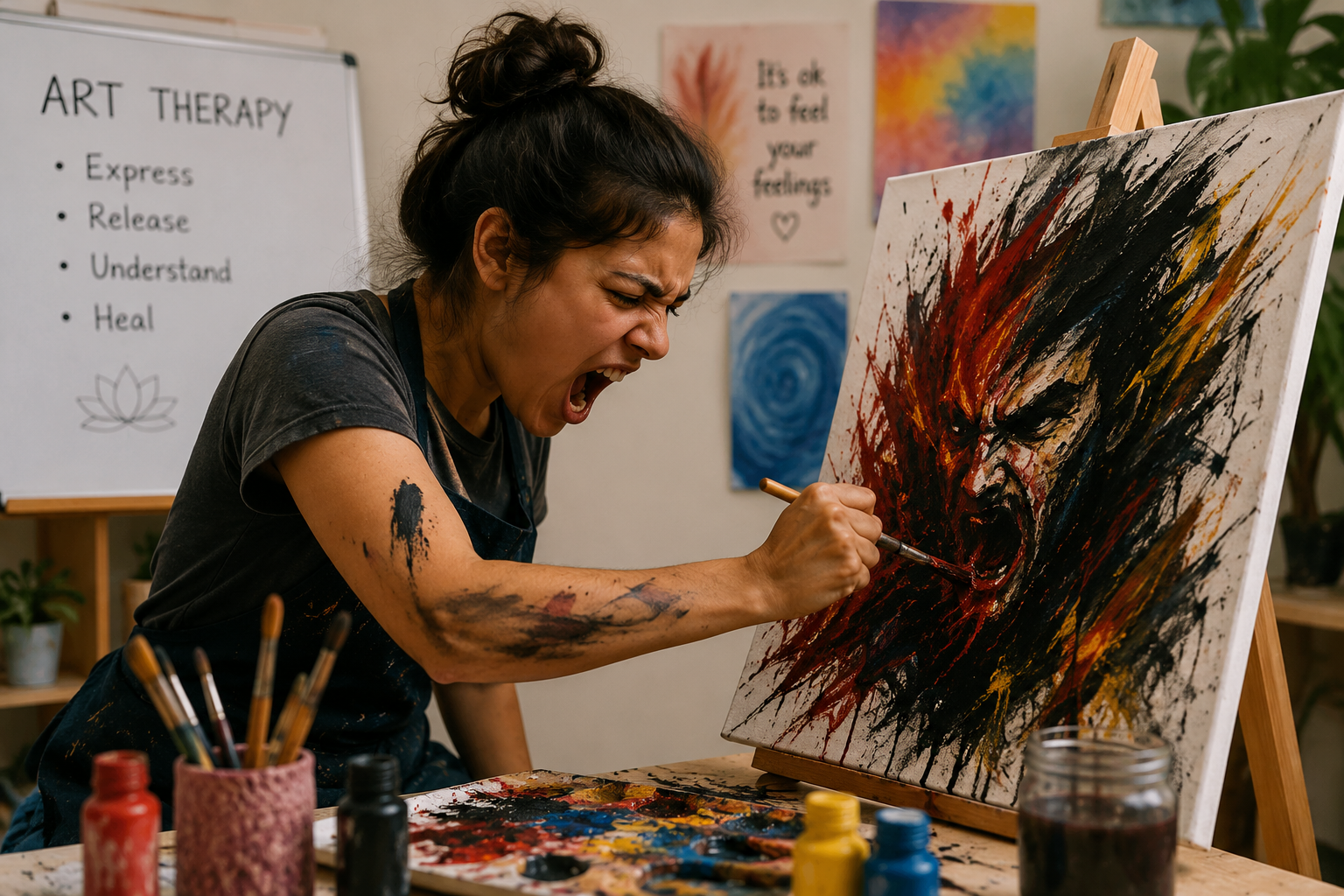
When anger is ignored, suppressed, or misunderstood, it can affect relationships, work performance, sleep, and overall mental health. Learning healthy ways to process emotions is essential for emotional balance. One powerful and creative approach is art therapy for anger, which allows individuals to express difficult emotions safely and constructively. Through colors, drawing, painting, and creative exercises, people can better understand their feelings and improve emotional regulation without relying on harmful reactions or emotional shutdown.
Why Does Anger Build Up So Quickly?
Anger rarely appears without a reason. In many cases, it develops from unresolved emotional pain, stress, frustration, anxiety, trauma, or feeling unheard. Daily pressures, relationship conflicts, workplace stress, and emotional exhaustion can slowly increase emotional tension until even a small trigger causes an emotional explosion.
Many individuals struggling with anger management difficulties are not “bad-tempered” people. Instead, they may have difficulty identifying emotions before they become overwhelming. Emotional suppression can also intensify reactions over time. People who constantly hide sadness, disappointment, fear, or stress may eventually experience sudden outbursts of anger.
Research in psychology also shows that chronic stress affects the nervous system. When the body remains in “fight or flight” state for an extended period of time, emotional reactions accelerate and become more severe. This explains why some individuals experience strong emotional responses to situations that seem minor to others.
Is It Normal to Feel a Sudden Surge of Anger Over Small Things?
Yes, sudden emotional reactions are more common than many people realize. However, frequent or uncontrollable anger may indicate deeper emotional strain. Emotional overload can reduce a person’s ability to tolerate stress, making everyday situations feel emotionally threatening.
People often ask:
- “Why do I get irritated so easily lately?”
- “Why do small things make me extremely angry?”
- “Why does my body react before I’m able to relax?”
These reactions may be linked to unresolved emotional experiences, anxiety, burnout, or ongoing stress. In some cases, anger becomes a defense mechanism that hides feelings of hurt, rejection, helplessness, or insecurity.
This is where expressive arts therapy can become highly beneficial. Creative expression provides a healthy outlet for emotions that are difficult to explain verbally.
How Does Art Therapy Help With Emotional Regulation?
Art therapy for anger combines psychology with creative expression to help individuals process emotions in a safe and structured way. Instead of suppressing feelings or reacting impulsively, individuals learn to express emotional experiences through art.
Creative activities such as painting, sketching, clay work, collage-making, or color exploration can calm the nervous system and reduce emotional intensity. Art also encourages mindfulness, self-awareness, and reflection, which are essential for emotional regulation.
Unlike ordinary art activities, therapeutic art exercises are guided with emotional healing in mind. A trained therapist may help individuals explore:
- Emotional patterns
- Hidden frustrations
- Stress responses
- Past emotional wounds
- Personal anger triggers
This process improves self-understanding and emotional control over time.
Can Art Therapy Really Help Me Stop Being So Angry?
“Can art therapy really help me stop being so angry?” is a question that many individuals ask themselves. While art therapy may not instantly remove anger, it can significantly improve emotional awareness and coping skills.
Anger itself is not unhealthy. It becomes harmful when expressed through aggression, emotional withdrawal, or self-destructive behavior. Art therapy teaches individuals how to experience anger without losing control.
Several art therapy activities for anger focus on emotional release and calming the mind. These may include:
- Painting emotions using colors and shapes
- Creating visual journals
- Drawing anger triggers
- Tearing and rebuilding artwork symbolically
- Clay modeling for stress release
- Guided emotional expression exercises
These techniques help individuals release emotional tension safely while improving emotional insight.
Over time, individuals often notice:
- Reduced emotional intensity
- Better communication skills
- Improved patience
- Greater emotional awareness
- Healthier coping strategies
What Are Some Art Therapy Exercises for Releasing Suppressed Emotions?
Many people carry emotions they never fully express. Suppressed emotions can eventually appear as irritability, emotional numbness, anxiety, or sudden rage. This is why art therapy exercises for releasing suppressed emotions are becoming increasingly popular in modern mental health care.
Some effective exercises include:
Emotion Color Mapping
Individuals use colors to represent emotional states. This exercise helps identify emotions that may be difficult to describe verbally.
Safe Anger Drawing
People visually express frustration, stress, or resentment through free drawing or painting without worrying about artistic skill.
Destruction and Reconstruction Art
Participants destroy old artwork and rebuild it into something new, symbolizing emotional healing and transformation.
Emotional Collage Work
Creating collages from magazines or personal images can help uncover hidden feelings and emotional conflicts.
These techniques are especially useful for people who struggle to communicate emotions directly.
Why Do I Feel Physically Sick When I Get Angry?
Anger affects both the mind and body. When intense anger appears, the body releases stress hormones such as adrenaline and cortisol. This can increase heart rate, muscle tension, blood pressure, and physical discomfort.
Some people experience:
- Chest tightness
- Nausea
- Dizziness
- Headaches
- Sweating
- Trembling
- Fatigue after anger episodes
These physical symptoms often indicate that the nervous system is under emotional strain. Chronic emotional stress can impact overall wellbeing if left unmanaged.
Using art therapy for mental health issues may help reduce emotional overload by calming the nervous system and encouraging healthier emotional expression.
How Can You Use Art Therapy to Release Suppressed Emotions?
To use art therapy to release suppressed emotions, individuals do not need artistic talent. The goal is emotional expression, not artistic perfection. Even simple creative activities can help people reconnect with emotions they may have ignored for years.
Helpful strategies include:
- Keeping a visual emotion journal
- Painting during stressful moments
- Using colors to represent moods
- Creating symbolic artwork for emotional experiences
- Practicing guided creative mindfulness exercises
Many people find that art provides emotional relief when words feel too difficult.
Working with trained professionals through online therapy can make this process more effective and emotionally safe. Individuals seeking support can consult with top therapists online through trusted platforms such as TalktoAngel, which offers professional mental health services for emotional wellbeing, stress management, and therapy support.
In addition, Psychowellness Center is recognized as a leading mental health wellness clinic in Delhi, offering support for emotional and psychological concerns through experienced mental health professionals.
Final Thoughts
Anger is often a signal that emotional needs, stress, or unresolved feelings require attention. If you are struggling to talk about your feelings, emotional pain may build up internally and lead to sudden emotional reactions, relationship conflicts, and mental exhaustion. Learning healthier ways to process emotions is essential for long-term emotional wellbeing.
Through art therapy for anger, individuals can safely explore emotions, understand anger triggers, improve emotional regulation, and release suppressed feelings creatively. Whether someone struggles with sudden anger, emotional overload, or internal stress, expressive healing techniques can support emotional balance and personal growth.
Seeking support is not only about controlling anger—it is about understanding yourself more deeply and developing healthier ways to cope with life’s emotional challenges.