
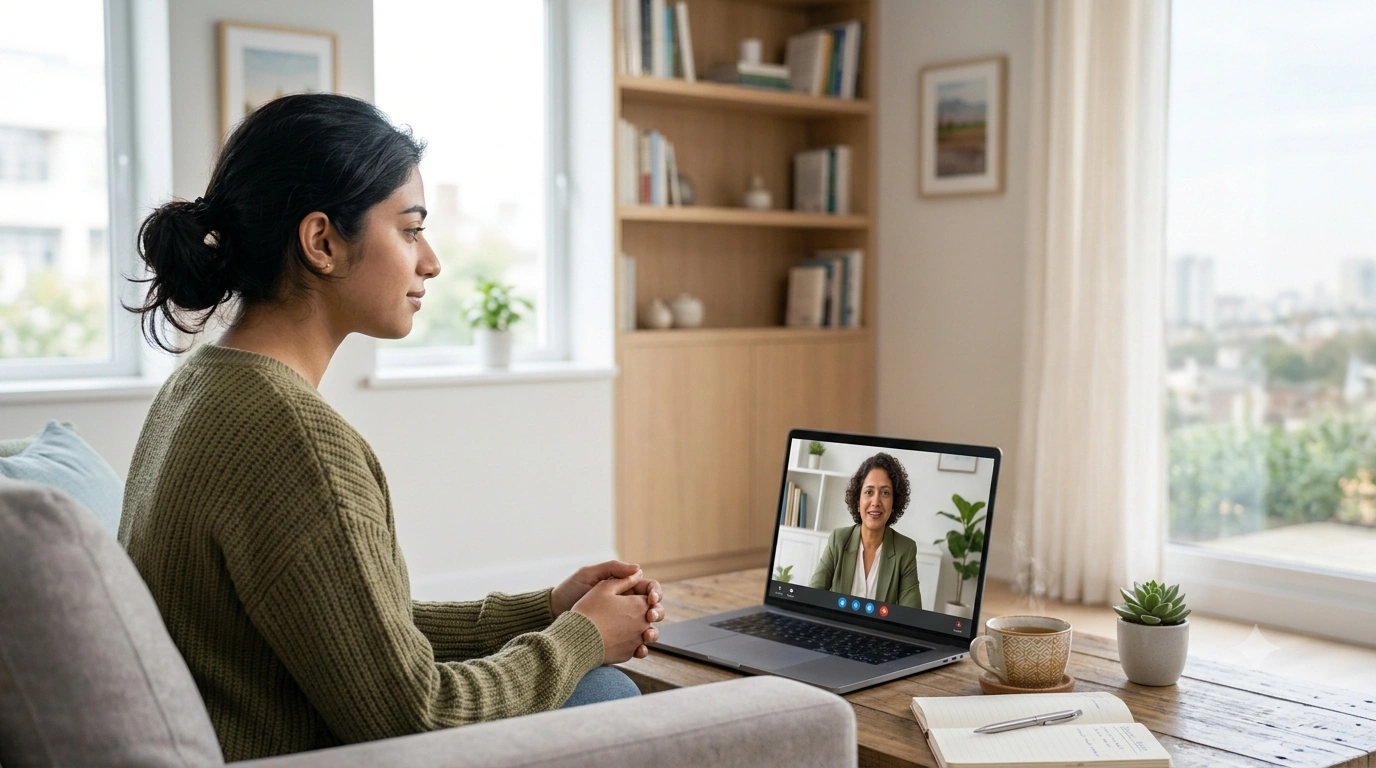
Do you feel your heart race before walking into a room full of people? Do you feel anxious about being judged or embarrassed, even in everyday social situations? Do you replay conversations for hours, convinced you said something wrong? If this sounds familiar, you’re not alone, and you’re not “just shy.” What you’re experiencing could be social anxiety, a real and treatable condition that affects how safe you feel around others. This blog breaks down why social anxiety happens, how it differs from ordinary shyness, and how social anxiety counselling and therapy can help you feel more at ease again.
What Is Social Anxiety, Really?
Social anxiety disorder is more than just being worried about a big presentation. It’s a persistent fear of being judged, embarrassed, or rejected in social situations, even everyday ones like ordering coffee or making small talk with a coworker.
For people living with this anxious condition, the fear isn’t occasional. It shows up before, during, and after social interactions, often leaving them mentally exhausted from constant overthinking.
Why Do I Feel Anxious Around People Even When There’s No Real Threat?
Your brain’s threat-detection system doesn’t always distinguish between real danger and social discomfort, making you feel anxious even when there’s no actual threat.
- Your brain interprets social situations, a meeting, a party, even a phone call, as potential threats to your reputation or safety.
- This triggers the same fight-or-flight response you’d feel facing actual danger: racing heart, sweating, shaky voice.
- Over time, your mind starts anticipating this reaction, so you begin avoiding situations before they even happen.
In short, your body is reacting to a perceived threat, not a real one, but the physical symptoms feel just as intense either way.
What Causes Social Anxiety and Why Does It Develop?
There’s rarely a single cause. Social anxiety causes usually stem from a mix of biological, psychological, and environmental factors:
- Genetics and temperament – A naturally cautious or sensitive nature can increase vulnerability.
- Brain chemistry – An overactive amygdala (the brain’s fear centre) heightens sensitivity to perceived judgment.
- Learned behaviour – Growing up around critical or overprotective caregivers can shape how safe social situations feel.
- Negative past experiences – Bullying or repeated rejection can leave a lasting imprint.
- Low self-esteem – When self-worth is fragile, the fear of being negatively evaluated grows stronger.
These patterns aren’t your fault, and they can be unlearned with the right support.
Can Childhood Experiences Cause Social Anxiety as an Adult?
Yes, and this connection is stronger than many realise. A child who was frequently criticised may grow up feeling anxious and believing mistakes are dangerous. Similarly, a child who feels unheard may become anxious about expressing themselves and develop a deep fear of taking up space socially.
These early beliefs often resurface in adulthood as anxiety in social situations, workplace stress, or difficulty forming close relationships. Online counselling helps uncover these root patterns instead of just managing surface-level symptoms.
Shyness vs. Social Anxiety: What’s the Difference?
This is one of the most searched questions, and the difference matters because the solutions aren’t the same.
| Shyness | Social Anxiety |
| Mild discomfort in new situations | Intense fear of judgment or humiliation |
| Warms up over time | Fear persists even with familiar people |
| Doesn’t usually disrupt daily life | Can interfere with work or relationships |
| Doesn’t require treatment | Often benefits from therapy |
The key difference is the impact. Shy people may feel anxious, but usually function normally. People with social anxiety often avoid opportunities to escape overwhelming anxious feelings.
How Does Online Counselling Help With Social Anxiety?
Overcoming social anxiety through counselling starts with understanding your specific triggers and thought patterns, something a trained counsellor helps you unpack safely.
Here’s how online therapy for social anxiety typically helps:
- Identifying negative thought patterns – A therapist helps you recognise thoughts like “everyone is judging me” and challenge them with evidence.
- Building coping strategies – You learn practical tools to manage anxiety in the moment, not just talk about it afterward.
- Creating a judgment-free space – Many people find it easier to open up from home than in an unfamiliar clinic.
- Gradual exposure – Therapists guide you through facing feared situations step-by-step, at your own pace.
If you’ve been hesitant to talk to a counsellor about anxiety online, know that many people start exactly where you are: unsure, but ready for change.
Which Types of Therapy Are Most Effective for Social Anxiety?
CBT for social anxiety is considered the gold standard. It helps you identify distorted thinking patterns and replace them with more balanced, realistic thoughts, alongside gradual exposure exercises.
Mindfulness techniques for anxiety teach you to observe anxious thoughts without getting swept up in them, using grounding exercises, breathwork, and present-moment awareness.
Group therapy can also help by offering real-time social practice alongside people who understand what you’re going through. And since low self-esteem often fuels social anxiety, some approaches specifically target self-worth and self-compassion.
Practical Ways to Manage Anxiety in Social Settings Right Now
- Focus on your breath – Slow, deep breathing signals safety to your nervous system.
- Set small, achievable goals – Try “say hello to one new person” instead of “be confident all night.”
- Challenge catastrophic thoughts – Ask yourself, “What’s the actual evidence for this fear?”
- Prepare conversation starters – Having something ready reduces on-the-spot pressure.
- Practice self-compassion afterward – Skip the post-event analysis spiral.
Finding the Right Support
If feeling anxious in social situations is affecting your relationships, career, or daily peace of mind, you don’t have to navigate it alone. Platforms like TalktoAngel, recognised among the best mental health platforms in India, connect you with licensed counsellors specialising in social anxiety treatment through therapy and counselling, from the privacy of your own space.
Frequently Asked Questions
Is social anxiety a mental illness or just a personality trait?
Social anxiety disorder is a recognised mental health condition, not simply a personality trait. While some people are naturally more reserved or feel anxious in certain situations, social anxiety involves intense fear and physical symptoms that go far beyond typical introversion.
Can social anxiety go away on its own?
Mild social discomfort can ease with age and experience, but clinical social anxiety usually doesn’t resolve without some form of intervention. Therapy, particularly CBT, significantly improves symptoms for most people.
How long does counselling take to help with social anxiety?
Many people notice meaningful improvement within 8 to 12 weeks of consistent counselling, though timelines vary based on severity and personal circumstances. Progress is often gradual rather than instant.
What’s the difference between social anxiety and general anxiety disorder?
Social anxiety is specifically tied to fear of judgment in social or performance situations. General anxiety disorder involves excessive worry across many areas of life, not just social settings.
Can social anxiety affect physical health?
Yes. Chronic anxious feelings or anxiety can contribute to fatigue, headaches, digestive issues, and sleep problems due to prolonged stress on the body’s nervous system.
Should I see a counsellor even if my anxiety feels manageable?
If anxiety is limiting your choices, relationships, or opportunities, even mildly, it’s worth speaking to a counsellor. Early support often prevents symptoms from becoming more entrenched over time.
Final Thoughts
Feeling anxious around people doesn’t mean something is wrong with you; it means your mind learned to protect you in a way that’s no longer serving you. This pattern can change with the right guidance and support. If left unaddressed, though, social anxiety can quietly deepen into withdrawal, so it’s worth learning how to manage social anxiety that leads to isolation and loneliness before it takes a bigger toll on your relationships and wellbeing.
Ready to feel more at ease in social situations? Reach out to a qualified counsellor on TalktoAngel today and take the first step toward calmer, more confident connections with others.