
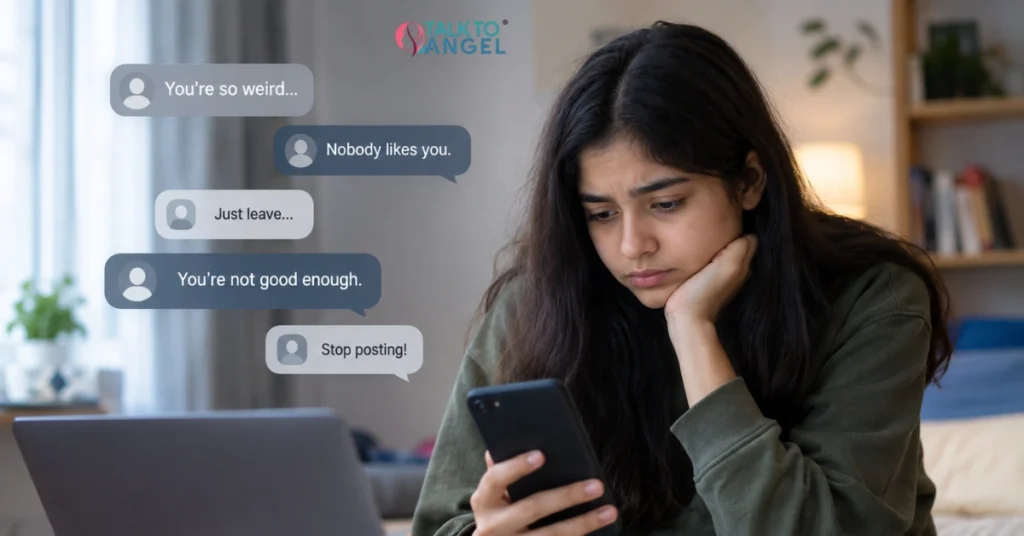
Dealing with Cyberbullying: Find Counselling Support
Cyberbullying doesn’t stop when you close the laptop or put down your phone. Unlike traditional bullying, it follows you home and into the quiet moments when you’re most vulnerable. Whether it’s happening to you, your child, or someone you care about, finding the right cyberbullying counselling support can feel overwhelming — especially when you’re not sure where to start, what kind of help actually works, or how to pay for it.
This guide walks through exactly how to find, evaluate, and access the right online counselling support for cyberbullying victims, step by step.
What Is Cyberbullying and Why Does It Require Professional Support?
Cyberbullying includes repeated harassment, threats, humiliation, or exclusion carried out through digital platforms — social media, messaging apps, online games, or email. What makes it particularly damaging is its permanence: content can be screenshotted, reshared, and viewed by an unlimited audience at any hour.
Because the harassment has no clear “off switch,” victims often experience chronic stress rather than a single traumatic event. Left unaddressed, this can contribute to social withdrawal and, in severe cases, suicidal ideation — research consistently links prolonged online harassment to rising rates of anxiety and depression in teens. A trained counsellor provides structured cyberbullying mental health support: tools to process the experience, rebuild self-esteem, and prevent long-term psychological harm.
How Do You Know If You Need Counselling for Cyberbullying?
Certain signs suggest it’s time to seek professional help:
- Persistent anxiety, sadness, or anger tied to online activity
- Avoiding school, work, or social situations
- Sleep disturbances or appetite changes
- Withdrawing from friends and family
- Declining grades or performance
- Any mention of hopelessness or self-harm
If any of these signs are present — especially thoughts of self-harm — treat it as urgent and reach out to a crisis line or mental health professional immediately.
What Types of Counselling Are Available for Cyberbullying Victims?
- Cognitive Behavioral Therapy for bullying: Reframes negative thought patterns caused by harassment and builds practical coping strategies — one of the most widely used, evidence-based approaches available.
- Trauma-informed therapy: Useful when cyberbullying has caused symptoms resembling PTSD, such as intrusive thoughts or hypervigilance around devices. This is especially relevant for anxiety and depression in teens where harassment has been prolonged or severe.
- School counselling: Often the first line of support, with the ability to coordinate with teachers and administrators.
- Group therapy or peer support groups: Connects victims with others who’ve had similar experiences.
- Family therapy: Helpful when cyberbullying has strained relationships at home.
The right fit depends on severity, age, and personal comfort with different formats.
How Do You Find a Qualified Cyberbullying Counsellor?
- Start with your school or workplace. Many schools have counsellors trained in bullying-related trauma; some employers offer Employee Assistance Programs.
- Search licensed therapist directories. Look for professionals listing “trauma,” “adolescent mental health,” or “online harassment” among specialties.
- Check credentials. Confirm the counsellor is licensed and has relevant experience with bullying or digital harm.
- Use reputable helplines as a bridge. Organizations like the Cyberbullying Research Center can point you toward vetted local resources.
- Ask for a consultation. Most therapists offer a brief initial call to gauge fit.
What Questions Should You Ask Before Choosing a Counsellor?
- Have you worked with cyberbullying or online harassment cases before?
- What therapeutic approach do you use, and why does it suit this situation?
- Do you offer both in-person and online sessions?
- What’s your availability for urgent situations?
- Do you accept insurance, or is there a sliding-scale fee?
A good counsellor will answer these openly and without pressure.
Is Online or In-Person Counselling Better for Cyberbullying Support?
Both have strengths. Online counselling offers privacy, flexibility, and easier access — especially valuable for teens who feel more comfortable opening up through text or video. In-person counselling can offer a stronger sense of connection and suits severe cases requiring close monitoring.
The “better” option is whichever one the person affected feels safe using consistently. If flexibility and privacy matter most, you can book an online counsellor for cyberbullying through most licensed telehealth platforms in minutes, often starting with a free initial consultation.
What Free or Low-Cost Support Options Exist?
- School-based counselling (typically free for students)
- Nonprofit helplines offering free text, chat, or phone support
- Community mental health platforms with sliding-scale fees
- University counselling centers and employer EAPs
- Support groups run by anti-bullying organizations
Many also offer crisis intervention outside regular business hours.
How Much Does Cyberbullying Counselling Typically Cost?
Private sessions vary widely depending on location, provider credentials, and format, with insurance often covering a significant portion when the provider is in-network. Sliding-scale clinics and nonprofit services can reduce or eliminate cost. It’s worth comparing a few providers and confirming insurance acceptance before committing.
How Can Parents Support a Child in Counselling?
- Stay calm — panic can make a child hesitant to share details.
- Reassure them that seeking help is a sign of strength, not weakness.
- Respect their privacy in individual sessions, while staying involved overall.
- Reinforce coping strategies at home.
How Long Does Recovery Take?
Timelines vary based on severity, support systems, and how early counselling begins. Some see improvement within a few weeks; more severe cases may take months. Recovery isn’t linear — setbacks are a normal part of healing, not a sign that counselling isn’t working. For those juggling work or family commitments, Why Online Mental Health Counselling Works for Busy Adults explains how flexible, online formats can keep recovery on track without adding to an already full schedule.
What Coping Strategies Do Counsellors Teach?
- Reframing negative self-talk
- Setting boundaries around device and social media use
- Practicing grounding techniques for anxiety spikes
- Building a support network outside online spaces
- Gradually re-engaging with online spaces rather than avoiding them entirely
Therapist, Counsellor, or Support Group — How Do You Choose?
- Therapist: for clinical diagnosis or deeper trauma work.
- Counsellor: for general emotional support and coping skills.
- Support group: to reduce isolation and connect with others who understand.
These aren’t mutually exclusive — many people combine one-on-one counselling with a support group.
What Should You Do in a Crisis Before Counselling Begins?
- Document the harassment with screenshots and timestamps.
- Report the content to the platform where it occurred.
- Block the person if safety is at risk (unless evidence must be preserved first).
- Contact a crisis text line immediately if self-harm is mentioned.
- Reach out to a trusted adult or professional the same day.
How Do You Maintain Long-Term Mental Health After Cyberbullying?
- Continue using coping tools learned in therapy
- Keep honest conversations going with trusted people
- Schedule periodic check-ins with a counsellor after the crisis passes
- Recognize early warning signs if distress resurfaces
Frequently Asked Questions
What’s the difference between a counsellor and a therapist for cyberbullying support? Counsellors typically focus on short-term emotional support and coping strategies, while therapists are trained to diagnose and treat deeper mental health conditions. Many people start with a counsellor and are referred to a therapist if symptoms are more severe.
Can cyberbullying counselling be done anonymously or online? Yes. Many helplines offer anonymous chat or text support, and licensed online therapy can maintain confidentiality similar to in-person sessions.
How soon should someone seek counselling after experiencing cyberbullying? As soon as distress becomes noticeable — early support tends to prevent symptoms from escalating and shortens overall recovery time.
What if the person being cyberbullied refuses to get help? Avoid forcing the issue. Keep communication open, reduce stigma around therapy, and offer lower-pressure options first, like anonymous helplines or support groups.
If you or someone you know is in immediate crisis, contact a local emergency service or a crisis helpline right away — don’t wait for a scheduled counselling session.