Online Therapy vs. In-Person Treatment for Anxiety: Which Works Better?
If your chest tightens before every meeting or your mind won’t stop spinning at 2 a.m., you’ve probably already searched for help — and landed on the same fork in the road most people do. Do you book a licensed online therapist and log in from your couch, or do you find a therapist’s office and show up in person? Both paths can genuinely ease generalized anxiety disorder (GAD), panic, and everyday overwhelm. The real question isn’t which one is “better” in general — it’s which one fits your life, your budget, and the kind of anxiety you’re dealing with. Let’s break it down.
What’s the Real Difference Between Online and In-Person Therapy for Anxiety?
At the core, both formats use the same evidence-based tools — cognitive behavioral therapy (CBT), exposure therapy, mindfulness-based approaches, and talk therapy. The difference isn’t the treatment itself; it’s the delivery.
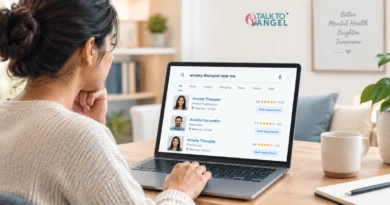
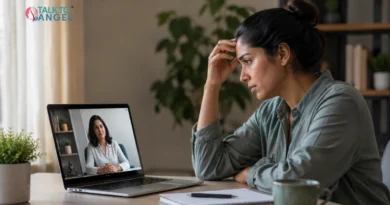
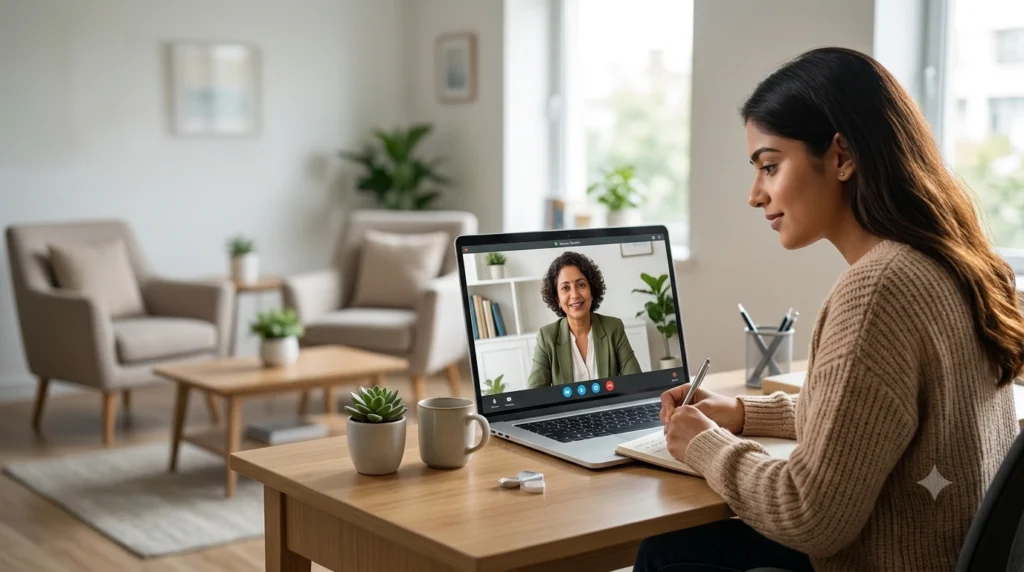
- Online therapy happens over video calls, phone sessions, or even secure messaging, from wherever you are.
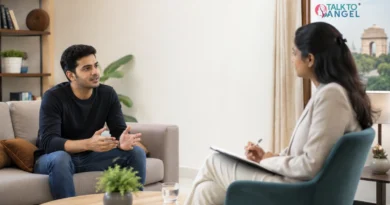
- In-person therapy happens face-to-face, in a therapist’s physical office.
Research over the past decade has consistently shown that video therapy sessions can be just as effective as in-person care for mild to moderate anxiety. Studies comparing outcomes for GAD and social anxiety have found comparable symptom reduction between the two formats when the therapist is properly trained and licensed. So the “which works better” question really comes down to fit — not superiority.
Does Format Actually Affect Treatment Outcomes?
For most people with anxiety, not dramatically. What does affect outcomes is consistency. Someone who attends weekly online sessions reliably will almost always do better than someone who skips in-person appointments because of traffic, cost, or scheduling conflicts. Convenience isn’t a minor detail here; it’s often the deciding factor in whether treatment actually works.
What Are the Benefits of Online Therapy for Anxiety?
Online therapy for anxiety has grown rapidly for a reason — it removes a lot of the friction that keeps anxious people from getting help in the first place.
- Accessibility from anywhere. You can do anxiety treatment at home, in your car during a lunch break, or while traveling.
- Lower barrier for social anxiety. For people whose anxiety is triggered by unfamiliar places or face-to-face interaction, starting from a familiar space can make the first few sessions much less intimidating.
- Wider therapist choice. You’re no longer limited to clinics within driving distance — you can match with a specialist regardless of city.
- Often more affordable. Many online platforms have lower overhead costs, which can mean lower session fees or flexible packages.
- Easier consistency. No commute means fewer missed or rescheduled sessions, which matters more than people expect for long-term progress.
Who Benefits Most from Online Therapy?
Online therapy tends to work especially well for:
- People with busy work schedules or caregiving responsibilities
- Those living in areas with few local mental health providers
- Individuals whose anxiety makes leaving the house genuinely difficult
- People who feel more comfortable opening up through a screen before doing so in person
Platforms like TalktoAngel, one of the best online counselling platforms in India, have made this option far more accessible by connecting people with licensed therapists for structured CBT and anxiety-focused sessions from home.
What Are the Advantages of In-Person Therapy for Anxiety?
In-person care still has clear strengths, especially for certain kinds of anxiety.
- Stronger nonverbal cues. Therapists can pick up on body language, fidgeting, or breathing patterns that a screen sometimes misses.
- Structured environment. Physically stepping into a therapy space can help some people mentally “switch on” for the session in a way a laptop at home doesn’t.
- Better for severe or complex cases. Panic disorder with physical symptoms, trauma-linked anxiety, or cases needing in-session exposure therapy exercises (like guided exposure to a feared object or situation) often benefit from being physically present.
- Fewer tech distractions. No frozen screens, dropped calls, or Wi-Fi issues interrupting a vulnerable moment.
Is In-Person Therapy Better for Severe Anxiety?
For moderate-to-severe GAD, panic attacks with strong physical symptoms, tied to complex trauma, many therapists recommend starting in person, at least initially. It allows for closer monitoring and hands-on techniques — like guided breathing exercises or real-time grounding — that are easier to walk through face-to-face.
A clinic like Psychowellness Center, a top-rated mental health clinic in Delhi, is a good example of the kind of setting suited to this — offering structured, in-person treatment options alongside psychiatric support for more complex cases.
What Do Therapists Recommend for Anxiety Treatment?
Most therapists don’t pick a side — they pick based on the person. Here’s the general pattern many clinicians follow:
| Situation | Often Recommended |
|---|---|
| Mild to moderate anxiety, busy schedule | Online therapy |
| Social anxiety, hesitant to start | Online first, transition later if needed |
| Severe panic attacks or trauma-linked anxiety | In-person therapy |
| Needs regular psychiatric medication management | In-person or hybrid |
| Rural area, limited local providers | Online therapy |
A growing number of therapists also suggest a hybrid model — starting with in-person sessions to build rapport and assess severity, then shifting to video therapy sessions for ongoing maintenance. This gives you the clinical depth of face-to-face care with the convenience of remote check-ins.
How Do You Choose the Right Option for You?
Ask yourself these questions before deciding:
- How severe are my symptoms — mild worry, or panic attacks that disrupt daily life?
- Do I have reliable privacy and internet access at home?
- Would I actually attend sessions consistently online, or do I need the accountability of leaving the house?
- Is my anxiety tied to a specific place, trauma, or physical symptom that needs hands-on support?
There’s no universally “correct” answer — the best anxiety treatment is the one you’ll actually stick with.
Frequently Asked Questions
Which is cheaper — online therapy or in-person therapy?
Online therapy is typically more affordable due to lower overhead costs, subscription-based pricing, and no travel expenses, though insurance coverage varies by provider and plan.
Is online therapy private and secure?
Reputable online therapy platforms use encrypted, HIPAA-compliant video and messaging systems, but it’s worth confirming a platform’s privacy policy before starting.
Do online therapists prescribe medication for anxiety?
Most online therapists (psychologists, counselors, LCSWs) cannot prescribe medication. You’d need an online psychiatrist or psychiatric nurse practitioner through a platform that offers medication management specifically.
The Bottom Line
Both online and in-person therapy can meaningfully reduce anxiety when delivered by a qualified professional using proven methods like CBT and exposure therapy. Online therapy offers greater convenience, affordability, and accessibility, while in-person therapy provides a more structured environment and may be better suited for complex or severe cases. Many people find that a combination of both delivers the best results as their needs evolve. If you’re still unsure why anxiety can feel so overwhelming, Understand Why Anxiety Feels Uncontrollable to learn more about the underlying causes and how effective treatment can help you regain control.
If you’re ready to take the next step, don’t overthink the format — focus on getting started. Whether that means booking a session with a licensed online therapist through a platform like TalktoAngel, or visiting a trusted clinic like Psychowellness Center for in-person support in Delhi, the important thing is reaching out today. Anxiety tends to get quieter the sooner you start treating it — so pick the option that feels doable, and take that first step this week.